 English
 Kinyarwanda















African Farmers Call for Greater Role in Shaping Food Policies
Leaders of farmers’ organisations in West Africa are calling for greater farmer participation in agricultural decision-making, saying that putting farmers at the centre of food-system transformation is critical to addressing Africa’s persistent food insecurity.
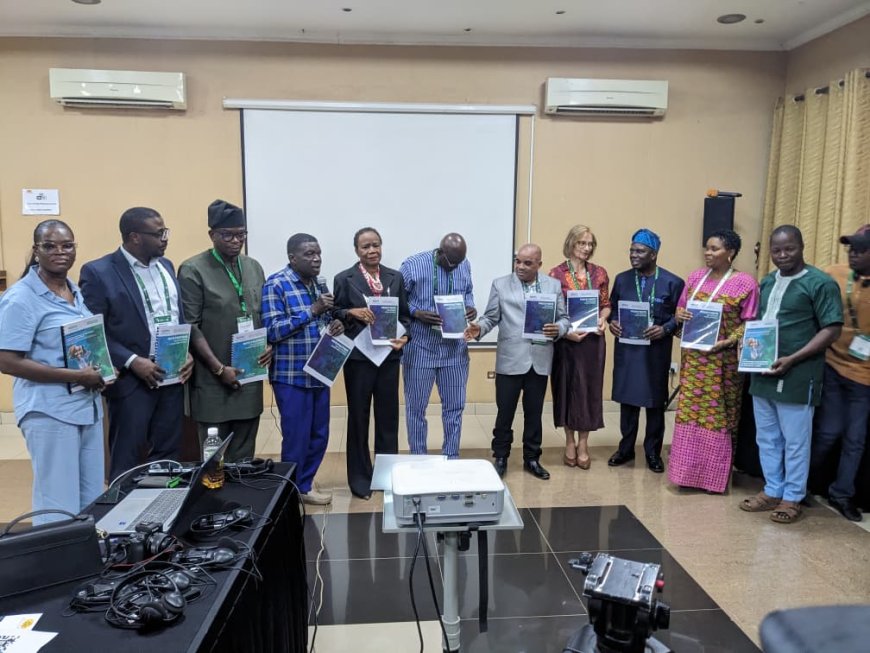
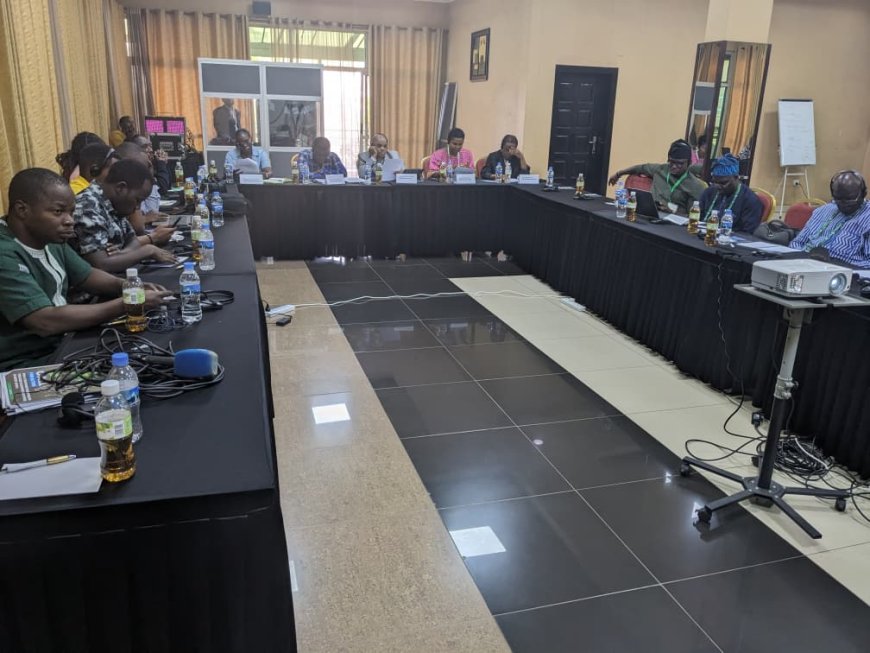
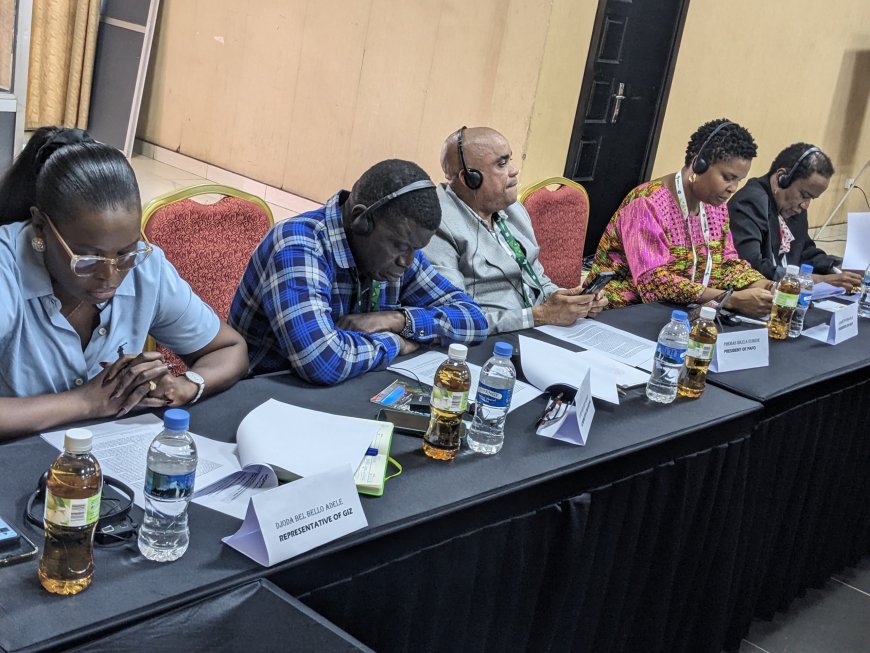
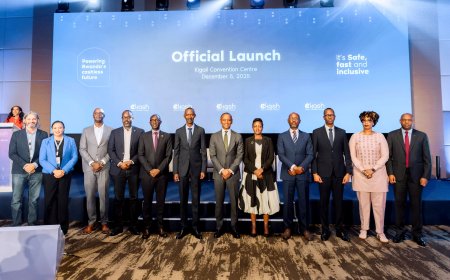
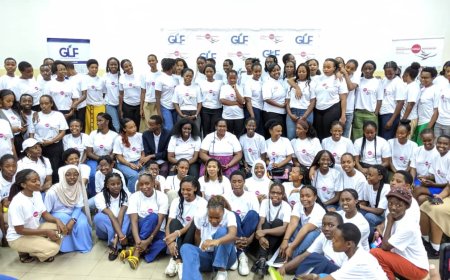
The call was made in Kigali during the launch of a series of publications examining peasant food systems and food value chains in West Africa. The publications present findings from action research conducted by the ROPPA between 2024 and 2026 across nine West African countries.
The research translates evidence gathered from farmers and rural communities into policy messages and practical recommendations targeting governments, policymakers, investors, agricultural organisations and other stakeholders with the power to influence food policies, investments and practices.
Farmer-led transformation
Phenias Ndlela Gumede, President of PAFO, said Africa’s food systems can only achieve meaningful and sustainable transformation if farmers are given a central role in shaping the policies that affect them.
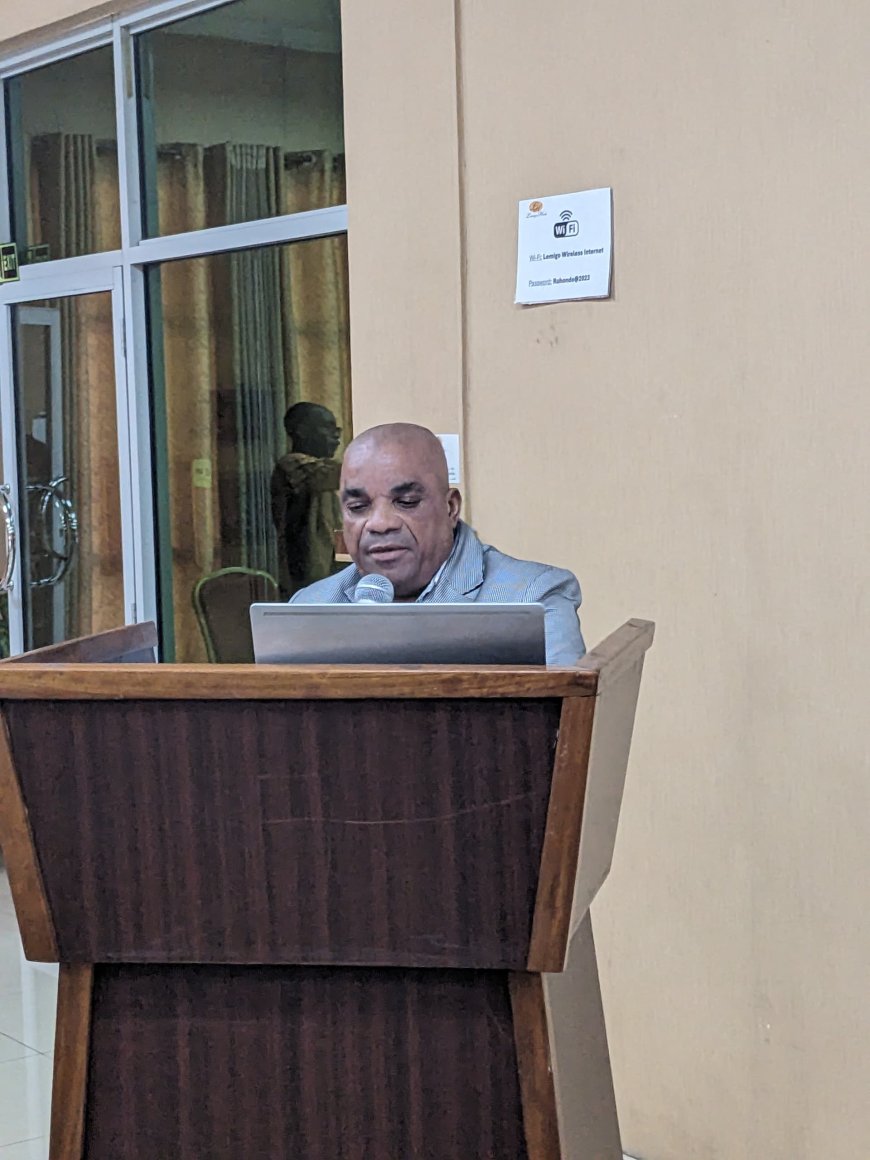
He urged stakeholders to ensure that research and recommendations do not remain on paper but are translated into concrete policies, investments and actions.
“Let this publication not remain on our shelves. Let it inform policies, guide investment, strengthen advocacy and inspire practical action that improves the lives of our farmers.”
Gumede reaffirmed PAFO’s commitment to working with ROPPA, other regional farmers’ networks, the African Union, ECOWAS and development partners to ensure that Africa’s food-system transformation is farmer-led and inclusive.
ROPPA urges collective action
Olu Adara, responsible for governance at ROPPA, said the research was the result of years of work aimed at better understanding the challenges facing peasant food systems and identifying practical solutions.

Olu Adara/Administrator/ROPPA
He warned that Africa risks carrying the food-security crisis into future generations unless stronger and coordinated measures are taken.
“The effort we are making today is the result of work that started in 2004 and eventually led to this research.”
Adara said the findings highlight the scale of food insecurity and the need for governments, agricultural authorities, farmers’ organisations, civil society and development partners to work together rather than accept the situation as inevitable.
He questioned what Africa’s food future would look like if decisive action was not taken to address hunger and strengthen local food systems.
Africa has the potential to feed itself
Josephine Francis, Vice President of ROPPA, said Africa has the natural and human resources needed to achieve greater food self-sufficiency, but needs to change the way it produces, processes and trades food.

Josephine Francis: Vice president/ROPPA
She pointed to Africa’s land, rainfall and agricultural workforce as major assets, but said the continent continues to export large quantities of raw agricultural products and later imports processed food products at much higher prices.
“We produce food, export what we harvest, and then it comes back packaged in boxes, and we pay more for it.”
Francis called for greater investment in local processing, domestic markets, agroecology, value addition and the use of local knowledge and resources.
She said Africa must move beyond traditional approaches and embrace agricultural systems capable of creating more value for farmers and rural communities.
Food insecurity remains a major challenge
The discussions come as Africa continues to face serious food and nutrition challenges.
In 2024, more than 306 million people in Africa were undernourished, representing about 20.2% of the continent’s population—roughly one in every five people.
The figures underline the urgency of transforming Africa’s food systems despite the continent’s vast agricultural potential.
Participants in Kigali stressed that addressing the crisis requires more than increasing agricultural production. They called for stronger local and territorial markets, better access to investment, improved food processing, support for smallholder farmers and policies that recognise farmers as key actors in food-system governance.
The ROPPA-led initiative ultimately seeks to ensure that Africa’s food systems become more inclusive, resilient and sustainable, while placing farmers and rural communities at the heart of the transformation.
For African farmers’ organisations, the message from Kigali is clear: Africa cannot build resilient food systems without giving farmers a stronger voice in the decisions that shape their future.