 English
 Kinyarwanda












Nyiramihigo Maria Odette: The Mother Who Transformed the Lives of Orphaned Girls Through Tailoring
After the 1994 Genocide against the Tutsi, many children in Rwanda were left orphaned, while others faced serious consequences of the war and the country’s painful history. During this difficult period, some people chose to step forward and help affected children rebuild their lives.
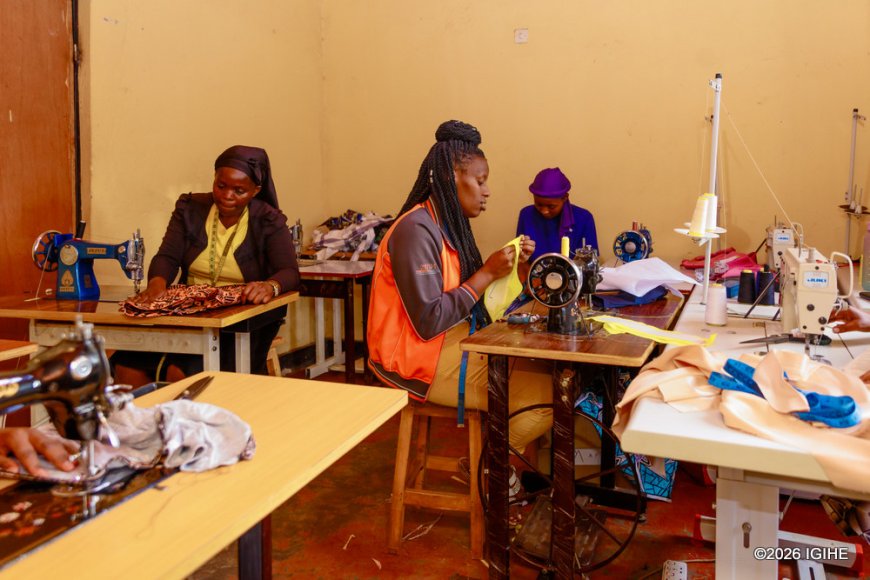
Among them was Nyiramihigo Maria Odette, from Buyoga Sector in Rulindo District, who took the initiative to support orphaned girls by teaching them tailoring so they could become self-reliant and build better lives.
Rather than simply helping them access food and other basic necessities, Nyiramihigo focused on equipping them with practical skills and a profession they could use to earn a living.
When the girls began learning tailoring, her goal was to give them skills that would enable them to become economically independent rather than depend on assistance from others.
“I realized that simply giving them food was not enough. I wanted them to learn a profession that could help them support themselves and build a better future,” Nyiramihigo said.
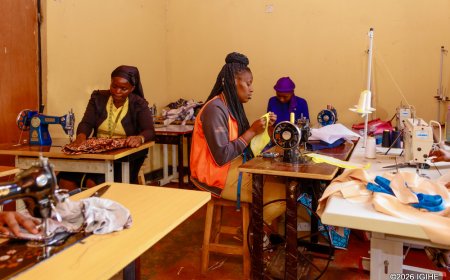
After completing their training, some of the girls began working as tailors, while others established small tailoring businesses. Today, the skills they acquired help them earn an income, support their children and contribute to the well-being of their families.
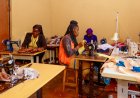
Years after they were trained, some of these girls are no longer dependent on assistance. They use sewing machines to earn money, pay school fees for their children, support their families and provide tailoring services to members of their communities.
Why Nyiramihigo Chose to Help
Nyiramihigo says the difficult circumstances Rwanda was experiencing at the time, together with what she witnessed in different communities, motivated her to take action instead of simply watching.
“After the 1994 Genocide against the Tutsi, Rwanda was going through extremely difficult times. Families had been destroyed, many children were orphaned, and many girls were left without support. Some were also carrying deep emotional wounds because of what they had experienced.
“What I saw around me made me feel that I could not simply stand by and do nothing. I thought that if there was something I could do to help these girls regain hope and learn a profession that could enable them to support themselves, then I had to do it.
“I particularly focused on girls because women and girls had already faced many disadvantages in different areas, and the difficult circumstances had affected them deeply.
“That is why I took responsibility for teaching them tailoring. I did not want them to receive only short-term assistance. I wanted them to acquire professional skills that could help them create jobs, improve their lives and support their families. I believed that giving them a profession was also giving them an opportunity to rebuild their lives.”
Challenges Along the Way
Nyiramihigo says the journey was not without challenges.
“The challenges were many, especially the lack of equipment and sufficient resources. Some of the girls were also dealing with emotional wounds, which meant that teaching them and helping them regain confidence required patience and staying close to them,” she said.
The Skills That Changed Their Lives
Claudine, one of the girls who learned tailoring from Nyiramihigo, says the profession transformed her life.
“Before learning tailoring, I did not have a profession that gave me confidence that I could support myself. Nyiramihigo gave me the opportunity to learn tailoring and taught me a profession that changed my life.
“After mastering the skills, I gradually started sewing for people. I gained customers and developed my profession. Today, tailoring is what supports me. It helps me meet my needs and contribute to supporting my family.
“I am grateful to Nyiramihigo because she did not only give me a profession; she also gave me the confidence to build my own future.”
Another beneficiary, Valantine, says learning tailoring from Nyiramihigo also transformed her life.
“Before learning tailoring from Nyiramihigo, my life was not easy, and I did not have a profession that gave me confidence that I could support myself. Learning tailoring gave me skills and an opportunity to become self-reliant.
“After completing the training, I started sewing and earning money. This gave me confidence and helped me become independent. Today, I can support myself, help my family and think about my future with greater confidence. In reality, tailoring has transformed both my livelihood and the way I build my future.”
Benefits Beyond the Girls
Nyiramihigo’s efforts have not only benefited the girls she trained but have also had a positive impact on people in the wider community.
After learning tailoring, some of the girls gained the ability to earn a living and support their families. Some now make clothes for community members, while others have created opportunities for other people by providing employment.
These efforts have contributed to improving livelihoods in the community, strengthening people’s ability to create their own jobs and encouraging greater confidence in the future.
A Lesson for Others
Reflecting on the lessons people can learn from her experience, Nyiramihigo says:
“I want people to learn from this story that no matter how difficult someone’s experiences may have been, they can rebuild their lives. When people are given opportunities and knowledge, they can support themselves, improve the lives of their families and contribute to building their country.”
The story of Nyiramihigo Maria Odette demonstrates how teaching someone a practical profession can create a lasting impact compared with providing short-term assistance alone. The girls she supported are now using the tailoring skills they acquired as a source of livelihood for themselves and their families.
Her story also highlights the role that individuals and communities can play in helping a country recover from the wounds of its history, particularly by equipping young people with knowledge, skills and opportunities to become self-reliant.
Today, Nyiramihigo says she has trained more than 100 girls and continues to teach others as long as she has the ability and resources to do so.