 English
 Kinyarwanda





Mali: Deadly Clashes Between Army and Jihadists in Mopti Region
On Thursday, the Mopti region of Mali witnessed one of the deadliest competitions in recent months between the Malian Defense and Security Forces( FDS) and jihadist mutineers. This clash, which took place near the city of Diallassagou, has brought reanimated attention to the raising violence and security extremity anguishing central Mali.
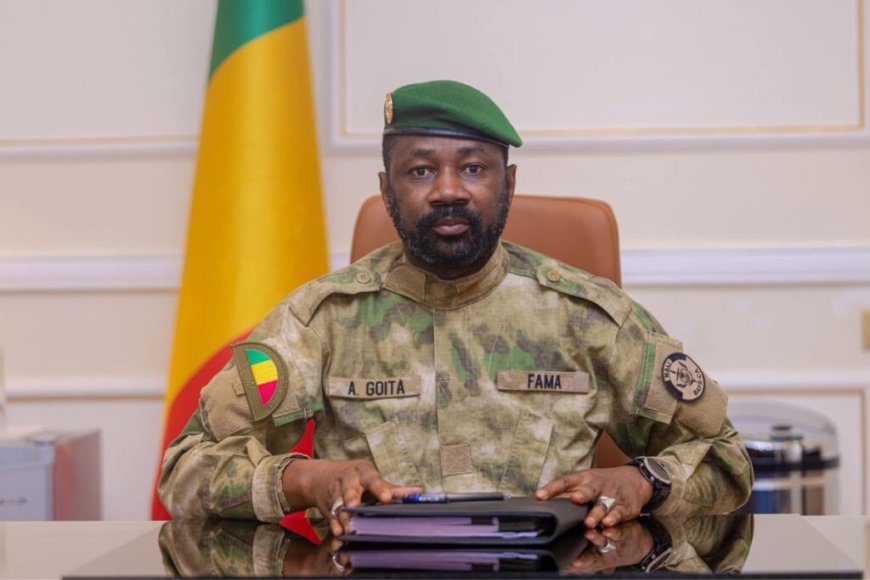
The violent battle redounded in the woeful loss of at least fifteen FDS members, pressing the severe and ongoing challenges faced by the Malian government in its fight against revolutionist groups. The Incident The conflict erupted when Malian dogfaces, part of a routine command intended to guard original growers heading to their fields, were ambuscaded by jihadists combined with the Group for the Support of Islam and Muslims( JNIM).
The attack passed near a hillside, a strategically profitable position for the bushwhackers who were equipped with motorcycles, vehicles, and small arms. The jihadists' capability to launch a unforeseen and violent assault from this elevated position underscores their politic proficiency and the redoubtable nature of the trouble they pose.
The Malian army responded with heavy gunfire, leading to a prolonged and fierce exchange of fire. The engagement lasted several hours, with both sides sustaining significant losses. Reports confirm that one bobby and fourteen public guard members were killed in the clash, while others sustained injuries or remain missing. According to original sources, the jihadists incurred minimum casualties, suggesting that they managed to retreat with their forces fairly complete.
The mortal Cost The mortal cost of this battle extends beyond the immediate losses. The loss of FDS members represents a severe blow to the morale and functional capacity of Mali’s security forces. For the families of the departed, the impact is profoundly particular and ruinous. The dogfaces killed were n't just casualties of war but fathers, maters , sons, and daughters, each with their own stories and benefactions to their communities. also, the wounded dogfaces face long reclamations, both physical and cerebral, as they come to terms with their injuries and the trauma of combat.
The query girding the missing individualities adds to the anguish of their families and highlights the pitfalls faced by those serving in unpredictable regions. The Broader environment This rearmost clash is part of a larger and deeply disquieting pattern of violence in central Mali. The Mopti region, along with other corridor of the country, has been agonized by instability for several times.
Jihadist groups, including JNIM and its cells, have exploited the region’s insecurity to expand their influence and control. These groups are known for their ruthless tactics, including attacks on military targets, mercenary areas, and critical structure. They put their own interpretation of Sharia law in areas they control, frequently through violent means.
The ongoing conflict has redounded in significant relegation, with thousands of civilians forced to flee their homes in hunt of safety. The philanthropic situation in these displaced communities is dire, with dearths of food, medical inventories, and introductory services. In addition to direct violence, these groups also engage in cerebral warfare, spreading fear and instability among original populations. The conflict and the trouble of farther attacks produce a pervasive atmosphere of anxiety, affecting the diurnal lives of residers and complicating sweats to deliver philanthropic aid.
The clash near Diallassagou has profound counteraccusations for original communities in the Mopti region. For the growers who were originally defended by the patrolling dogfaces, the violence disrupts their capability to work and sustain their livelihoods. The loss of security makes it decreasingly dangerous for them to carry out daily conditioning, aggravating food instability and profitable difficulty.
The ongoing conflict also has a severe impact on original governance and public services. In areas under jihadist control, traditional governance structures are frequently replaced with revolutionist rule. This leads to the duty of harsh laws and practices, further alienating and oppressing original populations. The government’s capability to give essential services, similar as education and healthcare, is oppressively compromised in conflict zones, leading to a deterioration in living conditions.
The transnational community has been nearly covering the situation in Mali and the broader Sahel region. colorful associations and countries have handed philanthropic aid and support to address the immediate requirements of those affected by the conflict. still, the scale of the extremity frequently outstrips the available coffers, and the delivery of aid is constantly hampered by ongoing violence and logistical challenges.
Sweats to stabilize the region also involve transnational military support, including operations by the United Nations Multidimensional Integrated Stabilization Mission in Mali( MINUSMA) and indigenous enterprise similar as the G5 Sahel common force. These operations aim to enhance security, support original forces, and grease philanthropic backing. Despite these sweats, the unpredictable security situation presents significant obstacles to achieving long- term peace and stability.
The Way Forward Addressing the extremity in central Mali requires a multifaceted approach. While military action remains a critical element of fighting jihadist groups, it must be rounded by comprehensive strategies aimed at addressing the underpinning causes of the conflict. This includes sweats to ameliorate governance, promote profitable development, and foster social cohesion.
Engaging with original communities to make trust and support is essential for creating sustainable results. Development programs that address profitable difference and give openings for education and employment can help reduce the appeal of revolutionist testaments. also, effective and inclusive governance is pivotal for restoring order and icing that the requirements of all citizens are met.
International mates play a vital part in supporting Mali’s sweats to overcome these challenges. Continued fiscal and specialized backing, along with politic support, is essential for buttressing stability and fostering a peaceful resolution to the conflict. The deadly clashes between the Malian army and jihadists in the Mopti region emphasize the critical need for a comprehensive and coordinated response to the ongoing extremity.
The deadly clashes between the Malian army and jihadists in the Mopti region underscore the urgent need for a comprehensive and coordinated response to the ongoing crisis. The human cost of the conflict is profound, affecting soldiers, their families, and local communities. This tragic event not only highlights the immediate security threats but also underscores the broader instability that continues to plague the region. Addressing the immediate security threats, while also tackling the root causes of the violence, is crucial for achieving lasting peace and stability in Mali. The international community’s support, combined with effective local strategies, is key to navigating this complex and challenging situation.