 English
 Kinyarwanda






















Agricultural Biotechnology a solution to Protect Pollinators and Build a Sustainable Future
Across the world, the debate over the future of food security and environmental sustainability is becoming more urgent. Climate change, declining soil fertility, and the overuse of pesticides are threatening ecosystems and agricultural productivity alike. In this context, Rwanda is emerging as one of the African countries exploring agricultural biotechnology not only as a tool to increase yields, but also as a strategy to reduce dependence on chemical pesticides and protect biodiversity—especially pollinators such as bees.
Pollinators are critical to global food production, with the United Nations estimating that nearly 75% of crops grown worldwide rely on pollination in some form. Yet, these small creatures face growing threats from pesticide exposure, habitat loss, and climate change. By reducing reliance on harmful chemicals through the use of biotech seeds, Rwanda is signalling a bold step toward balancing agricultural progress with environmental stewardship.
The Context of Agriculture in Rwanda
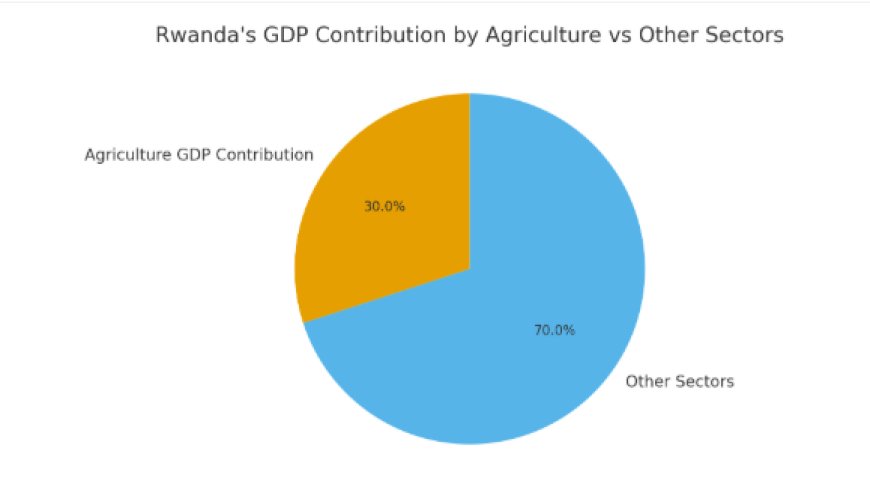
Agriculture remains the backbone of Rwanda’s economy. Over 70% of the population depends on farming as their primary livelihood, and the sector contributes around 30% to the national GDP. Smallholder farmers, working on less than one hectare of land on average, dominate the agricultural landscape.
Despite this importance, Rwanda’s agricultural sector faces multiple challenges:
- Climate change impacts, such as unpredictable rainfall, droughts, and floods.
- Crop losses from pests and diseases, which affect major staples such as cassava, maize, potatoes, and beans.
- Food insecurity, with some households struggling to secure sufficient nutrition.
- Market challenges, including limited access to regional and international value chains.
Against this backdrop, the adoption of agricultural biotechnology is not just about science—it is about survival, resilience, and long-term prosperity.
What Agricultural Biotechnology Means for Rwanda
Agricultural biotechnology involves using scientific tools such as genetic modification (GM) or gene editing to improve the resilience, productivity, and nutritional quality of crops. Rwanda has taken cautious steps in this area, emphasizing research, regulation, and environmental safety.
These biotech varieties are designed to resist diseases such as Cassava Brown Streak Disease (CBSD) and Late Blight in potatoes, which annually cause devastating losses.
The advantage of biotech seeds goes beyond higher yields:
- Reduced pesticide use – Because these crops are naturally resistant to certain pests, farmers use fewer chemicals.
- Environmental protection – Less pesticide use means healthier soils, cleaner water, and protection of beneficial insects.
- Improved nutrition – Some biotech crops are fortified with nutrients, helping to combat malnutrition.
- Economic benefits – Higher yields translate into better incomes for farmers and stronger contributions to the national economy.
Agriculture and Pesticide Use in Rwanda
Over the past decades, Rwanda has made commendable progress in improving food production. National programs like Crop Intensification Program (CIP) have increased yields of staple crops such as maize, rice, and wheat. However, pest infestations and plant diseases remain a persistent threat. For example:
- Cassava Mosaic Disease and Brown Streak Disease have significantly reduced cassava harvests.
- Potato late blight continues to cause devastating losses for farmers in the Northern Province.
- Maize and bean crops also face attacks from pests like fall armyworm.
To fight these challenges, farmers often resort to synthetic pesticides. While effective in the short term, pesticides create long-term risks:
- Health Hazards: Farmers and consumers may be exposed to harmful residues.
- Environmental Damage: Chemicals seep into soil and water, affecting microorganisms and aquatic life.
- Harm to Pollinators: Bees, butterflies, and other beneficial insects are often unintentionally killed, reducing pollination services crucial for fruits and vegetables.
- Resistance Development: Pests can develop resistance to pesticides, making them less effective over time.
According to global reports, excessive pesticide use has been linked to declining bee populations, which directly threatens food security since pollinators are responsible for fertilizing over 70% of crops. Rwanda is no exception, and the country’s ambition to develop sustainable agriculture makes reducing pesticide use a national priority.
Protecting Pollinators: The Case of Bees
Perhaps the most compelling benefit of reduced pesticide use is the protection of pollinators such as bees.
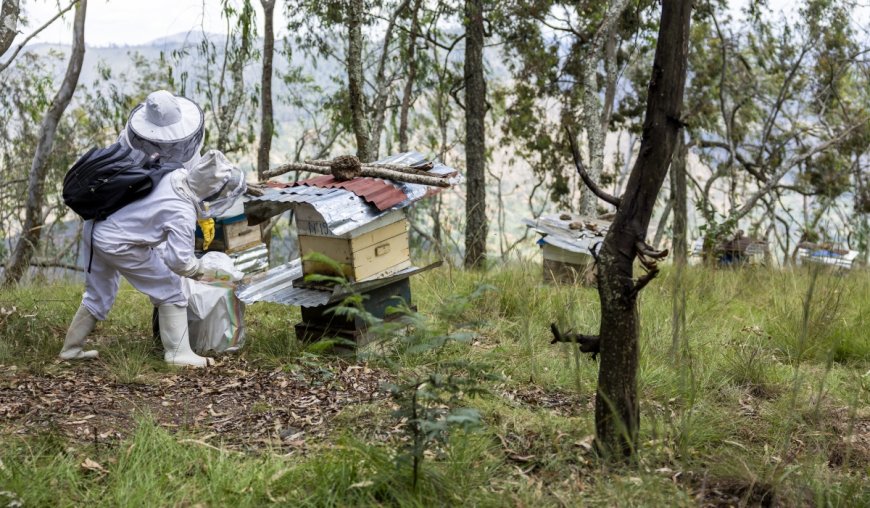
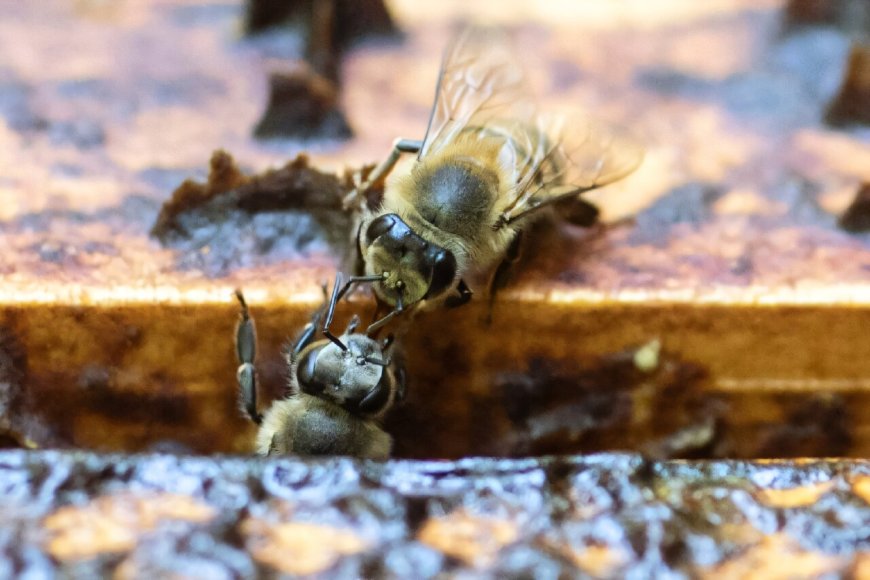
Bees are not just honey producers—they are ecosystem engineers. Their pollination services improve crop quality and quantity, from fruits and vegetables to staple crops like beans. In Rwanda, where communities also depend on beekeeping for livelihoods and honey production, the survival of bees has both ecological and economic significance.
Studies globally have shown that pesticides, particularly neonicotinoids, can disorient bees, weaken their immune systems, and reduce reproduction. For smallholder farmers in Rwanda, who rely on natural pollination due to limited mechanization, the decline of bees would be catastrophic.
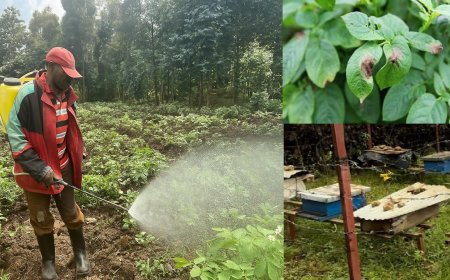
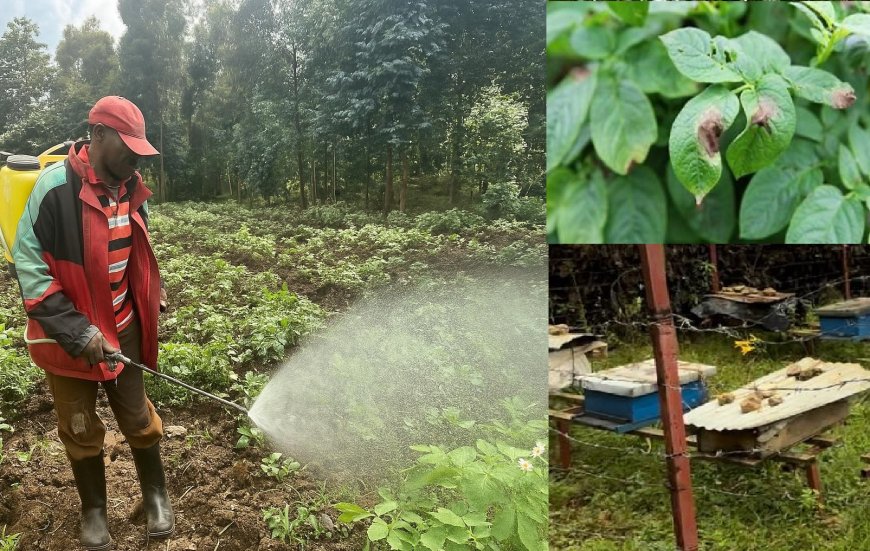
By shifting toward biotech crops that require fewer chemical sprays, Rwanda is indirectly creating a safer habitat for pollinators. Farmers in Musanze and Bugesera districts have already observed this effect: after introducing biotech potato and fruit varieties, they reported seeing more bees return to their fields, with noticeable improvements in harvests.
Voices from the Field
Jean Bosco Nshimiyimana, a potato farmer from Musanze, explains:
“Before, we used to spray our fields several times each season to fight late blight. The cost was high, and the chemicals were dangerous to our health and our soil. With the new biotech varieties, spraying has reduced dramatically. Not only do I save money, but I also see bees returning to my farm.”
Claudine Uwimana, a fruit farmer in Bugesera, adds:
“When I was spraying too much pesticide, I noticed fewer insects in my orchard. Now, I see bees again, and my yields are better. This gives me hope that our children will inherit land that is still fertile and alive.”
These testimonies highlight how biotechnology is not just a laboratory concept but a lived reality shaping rural communities.
Policy and Regulation
Rwanda’s adoption of agricultural biotechnology is guided by strong regulatory frameworks. In 2018, the government passed the Biosafety Law, which provides guidelines for the safe research, testing, and eventual commercialization of genetically modified organisms (GMOs).
The National Agriculture Policy (2018) and the Vision 2050 strategy emphasize increasing productivity while protecting the environment. Biotechnology fits neatly into this vision, allowing Rwanda to pursue food security without compromising ecological integrity.
The government’s target includes:
- Increasing agricultural productivity by 50% in the next decade.
- Reducing pesticide usage by 30% through biotech alternatives.
- Ensuring Rwanda meets the Sustainable Development Goals (SDGs), particularly Goal 2 (Zero Hunger) and Goal 15 (Life on Land).
Global and African Perspectives
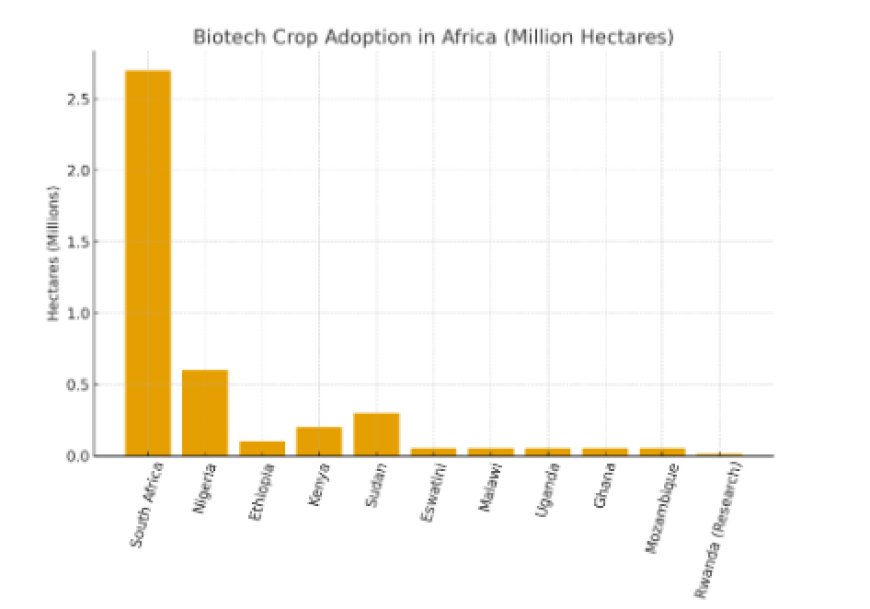
Rwanda’s cautious but ambitious approach mirrors broader global trends. As of today, 72 countries worldwide have approved biotech crops, with 11 African countries cultivating them, including South Africa, Nigeria, Ethiopia, and Kenya.
Globally, biotech crops are credited with:
- Reducing pesticide use by 37%.
- Increasing crop yields by 22%.
- Improving farmer profits by 68% (according to a study published in PLOS One).
In Africa, the adoption of biotech crops is framed as both an agricultural revolution and a tool of climate adaptation. Rwanda’s entry into this group signals its determination to align with evidence-based agricultural innovation.
Environmental Benefits Beyond Bees
Reducing pesticide use benefits more than just pollinators:
- Soil health improves as fewer chemicals disrupt microbial ecosystems.
- Water quality is protected, since pesticides often seep into rivers and wetlands.
- Biodiversity thrives, as birds, butterflies, and other beneficial insects return to farmlands.
These changes help Rwanda address not only agricultural sustainability but also its international commitments to climate change adaptation and environmental conservation.
Challenges Ahead
Despite the promise, challenges remain in scaling up biotechnology in Rwanda:
- Public perception and awareness – Some farmers and consumers remain skeptical of GMOs, influenced by myths and misinformation.
- Cost of seeds – Biotech seeds can be more expensive, and systems for subsidies or credit must be strengthened.
- Infrastructure for research – Expanding trials and monitoring requires sustained investment in laboratories and extension services.
- Regional politics – Rwanda’s biotech adoption must align with regional policies to ensure smooth cross-border trade.
Addressing these challenges will determine how effectively biotechnology can transform Rwanda’s agriculture.
The Future of Rwanda’s Agriculture
Agricultural biotechnology is not a silver bullet, but it is a critical piece of the puzzle in Rwanda’s journey toward food security, sustainability, and resilience. By reducing pesticide dependence, Rwanda is protecting ecosystems, empowering farmers, and safeguarding pollinators like bees, whose quiet labor sustains both biodiversity and human survival.
If managed carefully, Rwanda’s embrace of biotechnology could become a model for other African countries—demonstrating that science, policy, and local communities can converge to build a greener future.
Conclusion
Rwanda stands at a crossroads in its agricultural journey. While pesticides have played a role in protecting crops, their long-term damage to health, pollinators, and ecosystems cannot be ignored. Agricultural biotechnology offers a promising alternative—one that increases productivity, reduces pesticide reliance, protects biodiversity, and ensures sustainable food systems.
By embracing biotech innovation, Rwanda can protect pollinators like bees, secure food for its people, and create economic opportunities for farmers. With strong policies, public awareness, and research investments, agricultural biotechnology will not only transform Rwanda’s farmlands but also secure the future of generations to come.
In this context, reducing pesticide use through biotech is more than a scientific advancement—it is a national strategy for resilience, sustainability, and prosperity. Rwanda has the potential to become a model for Africa and the world in using biotechnology to build a greener and more food-secure future.
Jean Damascene Nsengiyumva