 English
 Kinyarwanda






















Major Strike at Jomo Kenyatta International Airport Disrupts Passengers and Flights
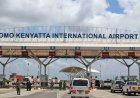
A significant labor strike by employees at Jomo Kenyatta International Airport (JKIA) has resulted in major disruptions for travelers, with hundreds of passengers being stranded outside the airport and all flights to and from Nairobi, the capital of Kenya, coming to a complete standstill.
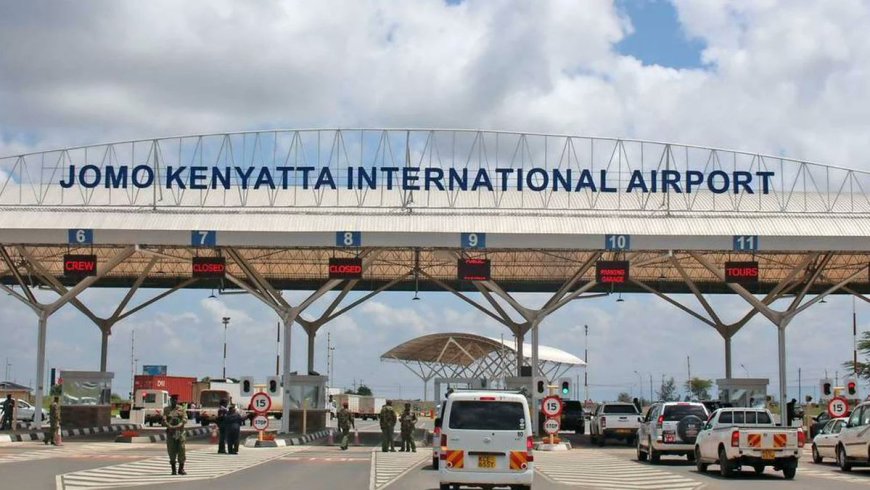
The strike, which began on September 11, 2024, was organized by the Airport Workers' Union to protest the government's decision to lease JKIA to the Adani Group, an Indian multinational conglomerate, for a period of 30 years. This decision has sparked widespread controversy and opposition from the airport’s workforce, who argue that the lease agreement undermines their job security and the interests of the Kenyan public.
The union had previously warned of their intention to strike if their concerns were not addressed. They have expressed strong disapproval of the Adani Group's involvement, claiming that the company’s plans for the airport do not align with the best interests of the Kenyan people or the airport's employees. The union’s leadership has emphasized that unless their demands for better terms and assurances are met, they will not support the ongoing partnership between the government and Adani Group.
The situation at JKIA was chaotic on the day of the strike. Passengers arriving at the airport found themselves locked out, while those with scheduled flights faced cancellations and delays. The airport, a major hub for East Africa, saw significant disruptions in both domestic and international travel, affecting airlines across the region. RwandAir, Uganda Airlines, and Kenya Airways were among the carriers forced to suspend their flights to and from Nairobi, compounding the travel woes of thousands of passengers.
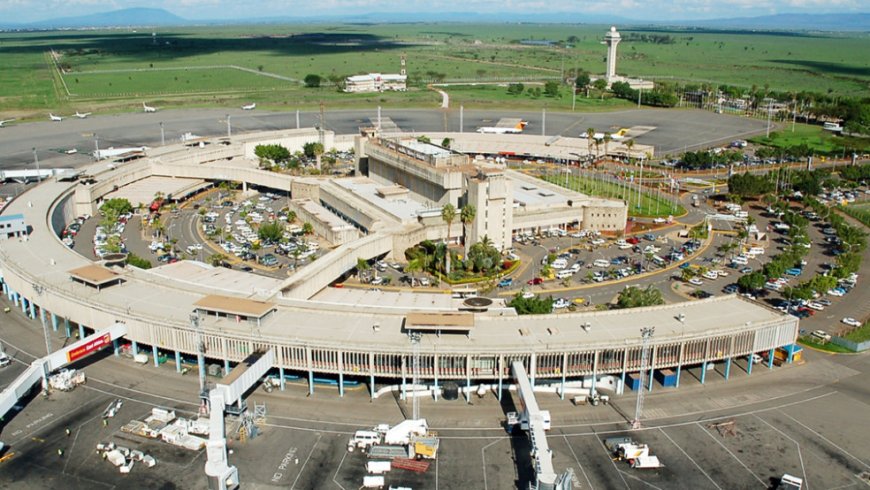
In response to the strike, Kenyan authorities attempted to mediate and address the concerns of the protesters. Devis Chirchir, the Minister of Roads and Transport, addressed the crowd of demonstrators in the evening, providing an update on the negotiations between the government and the union. Chirchir assured the protesters that progress had been made in discussing the terms of the lease agreement and that ongoing communication would continue until a resolution was reached.
Despite the government’s assurances, the situation remained tense. Moss Ndiema, the representative of the airport workers, reiterated that their opposition to the Adani Group’s involvement had not changed. Ndiema stressed that the workers’ main concern was ensuring that their needs and interests were prioritized in the new agreement. He warned that if the situation did not improve, he would inform the public and resist signing any agreements that did not address their grievances.
"What we want must come first. If things get worse, I will inform you. If necessary, even if they force my hand, I will not sign," Ndiema declared, underscoring the workers' determination to stand firm in their demands.
The strike not only affected passengers and airlines but also had broader economic implications. Nairobi, as a major economic and transportation hub in East Africa, relies heavily on JKIA for both passenger and cargo traffic. The disruption of flights had ripple effects across various sectors, including tourism, trade, and logistics. Businesses that depend on timely air transport faced delays and potential financial losses, further intensifying the economic impact of the strike.
The Kenyan government’s decision to lease the airport to Adani Group has been part of a broader strategy to attract foreign investment and improve infrastructure. The government argues that partnering with a large, experienced company like Adani Group is essential for upgrading the airport’s facilities and services. The lease agreement is expected to bring in significant investment for modernization projects, including the expansion of terminals, upgrading security systems, and enhancing overall passenger experience.
However, critics argue that the deal could undermine local control and job security, particularly for the current workforce. The Airport Workers' Union has voiced concerns that the lease agreement could lead to job cuts, reduced benefits, and a loss of control over important aspects of airport operations. They have called for greater transparency and assurances that the interests of Kenyan workers and stakeholders will be safeguarded.
In addition to the immediate disruptions, the strike has also sparked a broader debate about the role of public-private partnerships in managing national infrastructure. Supporters of the lease agreement argue that such partnerships are necessary for accessing capital and expertise that the government alone may not be able to provide. They believe that modernizing JKIA is crucial for maintaining its competitive edge and supporting Kenya’s economic growth.
Opponents, however, caution that long-term leases to foreign entities could erode national control over critical infrastructure and weaken the bargaining power of local workers. They advocate for a more balanced approach that ensures local interests are protected while still pursuing necessary upgrades and improvements.
As the situation unfolds, both the government and the airport workers’ union will need to navigate a complex landscape of negotiations and public opinion. The resolution of the strike will likely require careful compromise and clear commitments from all parties involved. For now, passengers and airlines continue to face uncertainty, while the broader implications of the lease agreement remain a subject of intense debate.
The Kenyan government has expressed its commitment to resolving the issues and ensuring that the airport operations return to normal as soon as possible. Officials have promised to keep the public informed about progress in the negotiations and any further developments regarding the lease agreement.
In conclusion, the strike at Jomo Kenyatta International Airport has highlighted the tensions between modernization efforts and the protection of local interests. As the parties work towards a resolution, the impact on passengers, airlines, and the broader economy underscores the importance of finding a balanced approach that addresses both the need for investment and the concerns of the workforce.