 English
 Kinyarwanda







Northern Kivu Blood Transfusion Center Faces Severe Blood Shortage
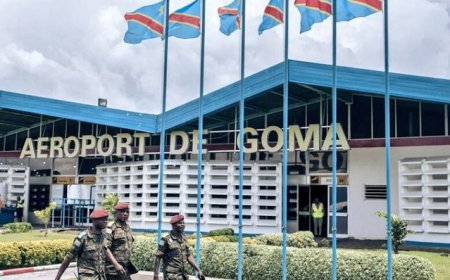
The Northern Kivu Blood Transfusion Center, located in Goma, Democratic Republic of Congo, is grappling with an unprecedented shortage of blood, a situation that is posing a serious threat to patient care across the region. The center, known locally as the Centre Provincial de Transfusion Sanguine (CPT), is the primary source of blood for medical treatments in Northern Kivu. Dr. Liliane Bwiza, the center’s director, has issued a grave warning about the crisis, highlighting the urgent need for intervention from both government and non-governmental organizations to address the critical shortage.
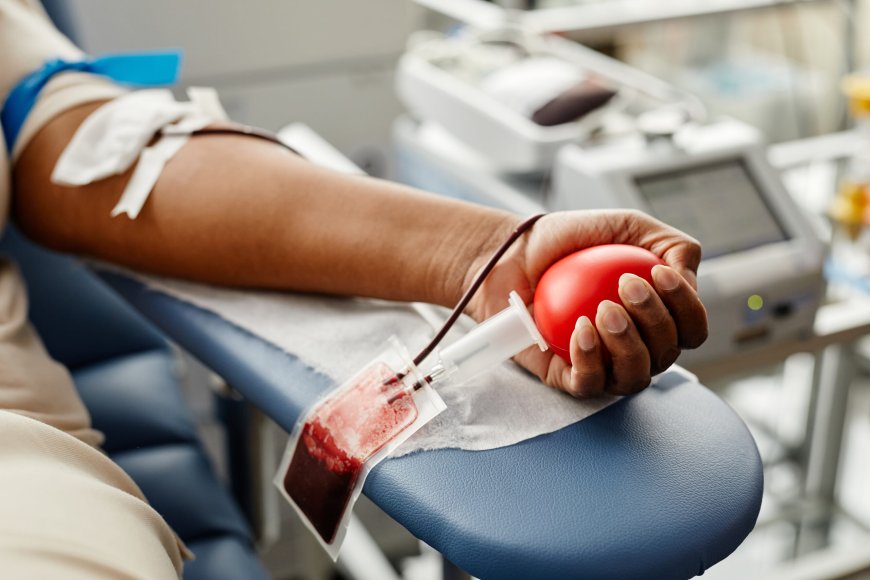
Dr. Bwiza has described the current blood shortage as the most severe the center has encountered in the past 17 years. The shortage has reached alarming proportions, with all four major blood types—A, B, AB, and O—completely depleted not only at the CPT but also in hospitals throughout Northern Kivu. This situation is dire and has far-reaching implications for the thousands of patients who rely on timely blood transfusions for their survival.
Dr. Bwiza’s concerns are echoed by other health officials in the region. Dr. Vianney Kambere, who oversees the CPT branch in Beni, raised similar alarms in July, and Dr. Sefu Amisi, head of the CPT branch in Butembo, voiced concerns earlier in March 2024. Both officials have highlighted the sharp decline in voluntary blood donations as a major contributing factor to the crisis.
The situation is compounded by the ongoing conflict in Northern Kivu, which has been plagued by violence between the Congolese army and the M23 rebel group for nearly three years. This prolonged conflict has significantly increased the demand for blood, particularly for injured soldiers. The Katindo Military Hospital in Goma, one of the key facilities affected by the shortage, has reported a dramatic rise in the number of casualties and injuries among soldiers. The hospital has repeatedly emphasized the urgent need for more blood to treat these wounded soldiers, underscoring the critical role that blood donations play in maintaining medical care during times of crisis.
The impact of the blood shortage on civilian populations is also severe. With the lack of blood available for transfusions, routine medical procedures, surgeries, and treatments for chronic conditions are being delayed or canceled. This shortage is not only jeopardizing the lives of those in need of immediate medical attention but also placing an immense burden on healthcare providers who are struggling to manage the crisis.
Dr. Bwiza has appealed to the provincial authorities and various stakeholders to take immediate action to alleviate the situation. The CPT has reached out to local government officials, humanitarian organizations, and international bodies, urging them to provide support and resources to address the shortage. Despite these efforts, there has been little significant action to date, and the crisis continues to escalate.
The situation calls for a multifaceted response to address both the immediate and long-term needs of the blood supply chain. Increasing voluntary blood donations is crucial, and efforts should be made to raise awareness about the importance of blood donation and the urgent need for donors in Northern Kivu. Additionally, there is a need for improved blood collection and distribution systems to ensure that blood supplies are efficiently managed and reach those who need them most.
Humanitarian organizations and international partners can play a critical role in supporting the region through the provision of resources, technical assistance, and financial support. Collaborative efforts are essential to developing sustainable solutions to the blood supply crisis and ensuring that the healthcare system can adequately meet the needs of the population.
In the longer term, addressing the underlying causes of the conflict and working towards peace and stability in Northern Kivu will also contribute to reducing the demand for emergency medical services and blood supplies. Sustainable development and conflict resolution are key to building a resilient healthcare system that can effectively respond to future crises.
The current blood shortage in Northern Kivu is a stark reminder of the challenges faced by healthcare systems in conflict-affected regions. It underscores the importance of international solidarity and cooperation in addressing humanitarian emergencies and ensuring that essential medical services are accessible to all who need them.
In conclusion, the blood shortage in Northern Kivu represents a critical public health crisis that requires immediate and concerted action. The efforts of Dr. Bwiza and other health officials to raise awareness and seek support are vital, but more needs to be done to address the root causes of the crisis and ensure a stable and reliable blood supply for the future. By coming together as a global community, we can help to mitigate the impact of this crisis and support the healthcare system in Northern Kivu as it strives to save lives and provide care to those in need.