 English
 Kinyarwanda









“ Exigency Polio Vaccination Campaign in Gaza WHO Responds to Disease Resurgence Amidst Ongoing Conflict ”
The World Health Organization (WHO) has recently announced a critical vaccination campaign targeting over 600,000 children in the Gaza Strip. This initiative comes in response to the alarming resurgence of polio in the region—a disease that had been eradicated in Gaza for the past 25 years. The reemergence of polio is a stark reminder of the ongoing humanitarian crisis in the area and underscores the urgency of addressing both immediate health needs and the broader implications of the protracted conflict.
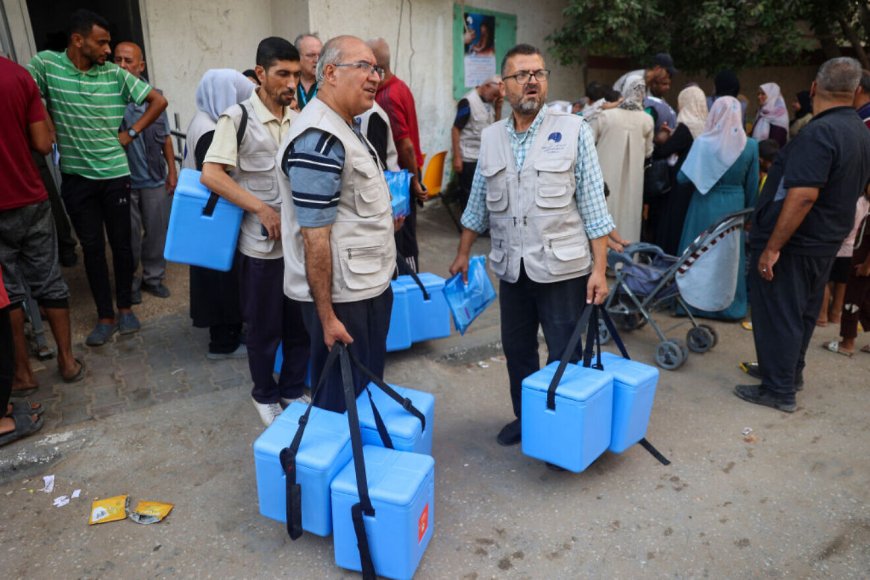
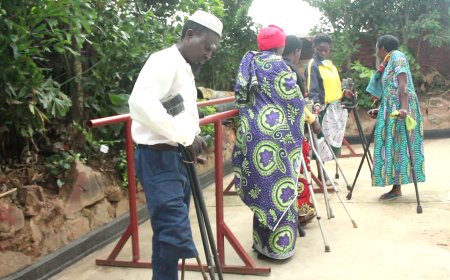
There are three types of poliovirus, all of which can lead to severe illness. The virus primarily affects the digestive system and can cause irreversible paralysis of the limbs. In severe cases, it can lead to death. While there is no cure for polio, effective vaccines have been developed to prevent infection and its consequences. The global eradication efforts over the past decades have made significant progress, with many regions successfully eliminating the disease. However, the situation in Gaza illustrates how conflict and instability can jeopardize these achievements.
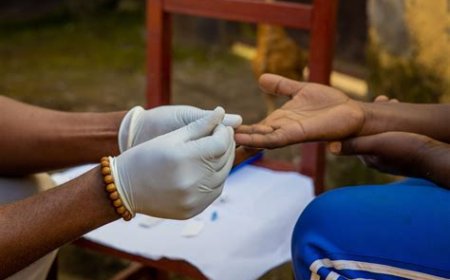
The WHO's vaccination campaign, which is scheduled to last three days, is a response to the urgent need to protect children from this debilitating disease. The campaign is expected to be challenging due to the ongoing conflict and the severe damage to infrastructure in Gaza. To facilitate the vaccination process, Israeli forces have agreed to a temporary ceasefire in their ongoing conflict with Hamas. This ceasefire is a significant development, as it aims to create a safe window for health workers to administer the vaccine and ensure that children are protected.
Challenges to the Vaccination Effort
The road to successful vaccination is fraught with obstacles. The Gaza Strip has been severely impacted by the protracted conflict, which has caused widespread destruction of roads, hospitals, and other essential infrastructure. The war, which has been ongoing for nearly a year, has resulted in significant casualties, with over 40,000 civilian deaths reported. The destruction has hampered the delivery of medical supplies and hindered access to health services, making it difficult for vaccination teams to reach every child in need.
The conflict has also led to a humanitarian crisis, with shortages of clean water and sanitation facilities exacerbating the spread of disease. Many residents of Gaza have been forced to rely on unsafe water sources, leading to increased risk of waterborne diseases and worsening public health conditions. The resurgence of polio in this context highlights the interplay between conflict, infrastructure collapse, and health crises.
Humanitarian and Health Implications
The return of polio to Gaza is more than just a health concern; it is a reflection of the broader humanitarian issues facing the region. The conflict has not only displaced thousands of families but has also severely disrupted daily life and access to essential services. The lack of clean water and proper sanitation facilities has created a fertile ground for the spread of diseases, including polio.
Polio vaccination campaigns are crucial in preventing outbreaks and protecting vulnerable populations, particularly children. The WHO’s initiative is a vital step in addressing the immediate health threat posed by the disease. However, it also highlights the need for a comprehensive approach to address the underlying issues contributing to the public health crisis.
Community Response and Concerns
The vaccination campaign faces additional hurdles due to the tense security situation. Reports indicate that some parents are reluctant to bring their children for vaccination due to fears of being targeted by Israeli forces. There is a growing concern among the civilian population that vaccination teams could be perceived as a threat or that their movements could be closely monitored.
This fear is compounded by the broader context of violence and mistrust. In such an environment, ensuring that health interventions are carried out effectively requires not only logistical planning but also sensitive communication and trust-building with local communities. Health workers and international organizations must navigate these complex dynamics to ensure that the vaccination campaign reaches all those in need.
International Support and Future Steps
The international community plays a crucial role in supporting vaccination efforts and addressing the humanitarian needs of affected populations. Organizations such as the WHO, UNICEF, and various non-governmental organizations (NGOs) are working to coordinate the response, provide necessary resources, and advocate for the protection of health workers and civilians.
Looking ahead, it is essential to not only focus on immediate health interventions but also to work towards long-term solutions to the ongoing conflict and its impact on public health. This includes rebuilding infrastructure, improving access to clean water and sanitation, and ensuring that health services are available and accessible to all individuals in Gaza.
Additionally, efforts to prevent future outbreaks of polio and other diseases must be sustained through continued vaccination campaigns, health education, and surveillance. Global health initiatives must address the broader context of conflict and instability to effectively protect vulnerable populations and promote overall health and well-being.
Conclusion
The resurgence of polio in Gaza is a critical reminder of the challenges faced by regions experiencing prolonged conflict and instability. The WHO’s vaccination campaign is a crucial step in combating this public health threat, but it also highlights the need for a comprehensive approach to addressing the broader humanitarian crisis. By supporting vaccination efforts, addressing infrastructure damage, and working towards long-term solutions, the international community can help mitigate the impact of conflict on health and ensure a healthier future for the children of Gaza.
As the campaign progresses, it is essential for all stakeholders to collaborate, overcome challenges, and remain committed to the health and well-being of affected populations. Through sustained efforts and international support, there is hope for overcoming the current crisis and achieving lasting improvements in public health in Gaza.