 English
 Kinyarwanda










Rwanda Intensifies Malaria Fight in Nyagatare with Targeted Interventions and Nationwide Spraying Campaign
The Rwanda Biomedical Centre (RBC) has recently identified a surge in malaria cases in Nyagatare District, attributing the rise to several specific factors. A significant cause has been the difficulty in reaching certain groups of people with malaria prevention services, primarily due to the nature of their work. This announcement was made on September 5, 2024, during the official launch of a nationwide initiative to spray mosquito-killing chemicals aimed at combating malaria transmission.
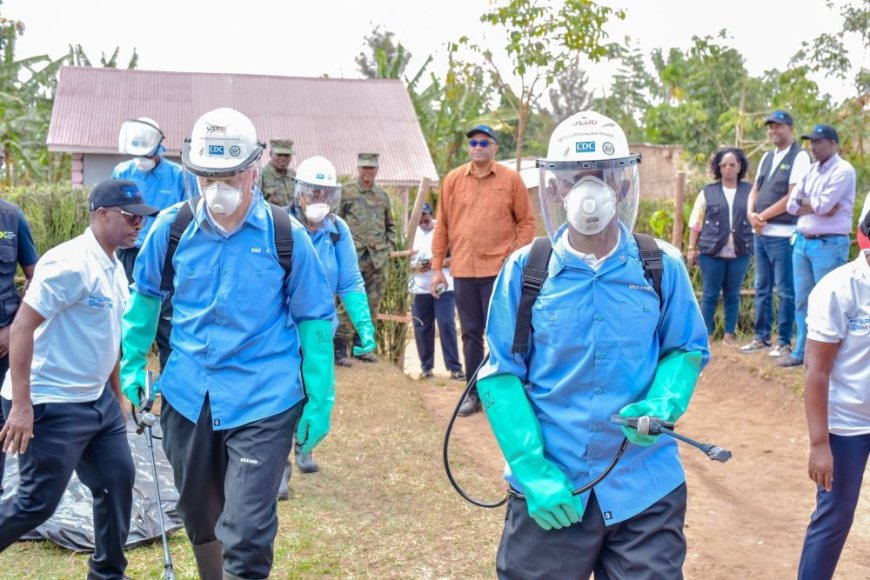
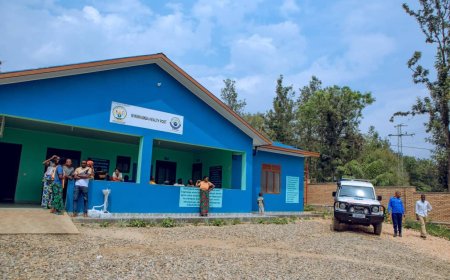
The event, which took place in Gakoma Village, located in the Rwisirabo Cell, Karangazi Sector of Nyagatare District, marked the beginning of this vital anti-malaria campaign. The RBC highlighted that in the previous fiscal year (2023/24), approximately 165,000 Rwandans were diagnosed with malaria. Nyagatare District alone contributed disproportionately to these figures, with nearly 49,000 cases, a sharp increase from the 25,000 cases recorded the year before. This nearly twofold rise in malaria cases has raised concern among health officials and local leaders alike, particularly in sectors such as Karangazi, Musheri, Matimba, Rwimiyaga, and Rwempasha, which are situated along the borders of Uganda and Tanzania.
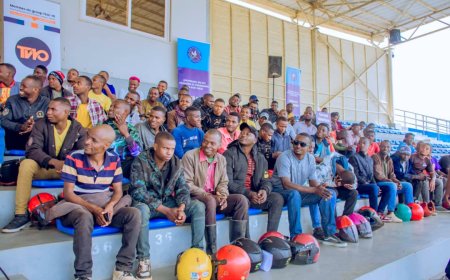
Dr. Aimable Mbituyumuremyi, head of RBC’s malaria control department, pointed out that the escalation in malaria cases became particularly evident over the last year. Nyagatare, a district known for its strategic location and agricultural activities, saw malaria cases surge from 25,000 to approximately 50,000. This rise is significant, especially when compared to other districts in the country. The reasons behind this alarming increase are complex, but Dr. Mbituyumuremyi emphasized the difficulties in providing effective malaria prevention services to certain groups of people. These individuals, primarily cross-border workers and those whose livelihoods involve outdoor nighttime activities, are not always available to benefit from indoor spraying campaigns, which target mosquitoes in homes.
Dr. Mbituyumuremyi elaborated on the unique challenges faced by these groups, explaining that many of them spend nights outside due to their work. “One of the setbacks we have identified is that certain groups are not adequately covered by these services, largely due to the nature of their work,” he said. "Most of them are cross-border traders and people who spend nights outside. When we spray indoors, they are often not present, which is a specific challenge." This reality has contributed to the persistence of malaria transmission in regions like Nyagatare, where people are frequently on the move and may not be present at their homes during scheduled spraying exercises.
In response to this challenge, RBC is focusing on identifying areas with high concentrations of such individuals, particularly those near borders, to ensure that they receive the necessary prevention tools, such as mosquito repellents. The goal is to reach those who have been left behind by traditional malaria prevention strategies and provide them with protective measures tailored to their circumstances. For instance, the use of personal mosquito repellents for those working outdoors at night has been proposed as an alternative to indoor spraying, which might not be effective for these individuals.
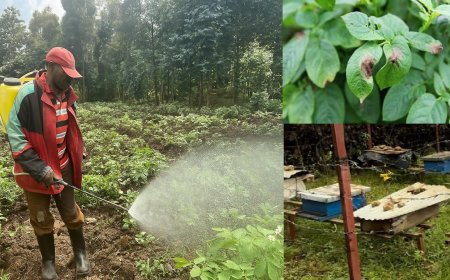
Furthermore, RBC is also taking a proactive approach in dealing with mosquito breeding grounds. In areas where stagnant water bodies exist, such as swamps, rivers, and flood-prone regions, they plan to apply chemicals that will prevent mosquitoes from breeding. This strategy aims to reduce the overall mosquito population in these regions, cutting off the transmission of malaria at its source. The application of these chemicals will be carried out in tandem with the ongoing spraying campaign, forming a multi-pronged attack against the disease.
The leadership in Nyagatare District has also committed to playing an active role in the fight against malaria. Nyagatare District Mayor, Gasana Stephen, acknowledged the severity of the malaria situation in his district. He explained that while malaria is a national issue, certain regions within Nyagatare are particularly prone to mosquito infestation due to their geographical features. Areas located near swampy land, rivers, and densely vegetated zones are especially vulnerable. He assured that these areas would be prioritized for intensive spraying efforts.
Mayor Gasana also highlighted the importance of addressing the malaria challenge in border areas, where people frequently travel between Rwanda, Uganda, and Tanzania. These regions have been identified as hotspots for malaria transmission, partly due to the movement of people across the borders. In response, local authorities have established health centers near the borders to provide quick access to malaria treatment. “We will give special attention to border areas, increasing our spraying efforts there. We also encourage the residents in these areas to seek medical care early,” Gasana said. He further mentioned that early detection and treatment of malaria are crucial, especially in regions where the disease is prevalent.
John Bosco Sabiti, the leader of Gakoma Village, where the national spraying campaign was launched, spoke about the success of the program in his village. For the past six years, Gakoma residents have actively participated in indoor spraying initiatives aimed at killing mosquitoes. Sabiti noted that the regular spraying has significantly reduced the number of malaria cases in the village. “This program has helped us avoid contracting malaria, allowing us to focus on development activities instead of frequently visiting healthcare centers for treatment,” he said.
One resident of Gakoma Village, Emmanuel Ntabara, shared his personal experience with malaria prevention. He explained that before the spraying program was introduced, he suffered from recurrent malaria. "I used to get malaria often, and I always had medication with me," Ntabara said. However, since the mosquito-killing chemicals have been regularly applied in his home, he has been free from malaria for the past three years. “Now, I haven’t had malaria for three years. It’s a great initiative. If possible, it would be wonderful if they could spray every three months. That would be very beneficial.”
The national spraying initiative has also garnered international support. The U.S. Ambassador to Rwanda, Eric Kneedler, participated in the launch event in Gakoma Village. Ambassador Kneedler praised Rwanda’s efforts in combating malaria and reiterated the United States’ commitment to continue supporting these initiatives. The U.S. has been a key partner in Rwanda’s health sector, providing financial and technical assistance to programs aimed at reducing the burden of malaria. “Our country is proud to stand with Rwanda in the fight against malaria,” Ambassador Kneedler said.
In conclusion, the nationwide spraying campaign spearheaded by RBC marks an important step in Rwanda’s ongoing battle against malaria. The rise in malaria cases in districts like Nyagatare underscores the need for targeted interventions that reach all vulnerable groups, particularly those who are often overlooked by traditional prevention strategies. By combining indoor spraying, personal repellents, and mosquito control measures in breeding grounds, RBC hopes to significantly reduce malaria transmission across the country. Local authorities, with the support of international partners, remain committed to ensuring that all Rwandans, regardless of their location or occupation, are protected from this preventable disease.