 English
 Kinyarwanda






Democratic Republic of Congo to Receive Initial Batch of Monkeypox Vaccines Amidst Growing Health Concerns
The Democratic Republic of Congo (DRC) is preparing to receive its first shipment of vaccines for monkeypox, a significant development in the ongoing effort to control the outbreak of this viral disease. The announcement was made by the country’s Minister of Health, who underscored the urgency and importance of this intervention. The initial set of vaccines is scheduled to arrive in Kinshasa on Thursday, with a second batch expected to follow on Saturday. This delivery is a crucial step in addressing the growing health crisis that has captured the attention of international health organizations and policymakers.
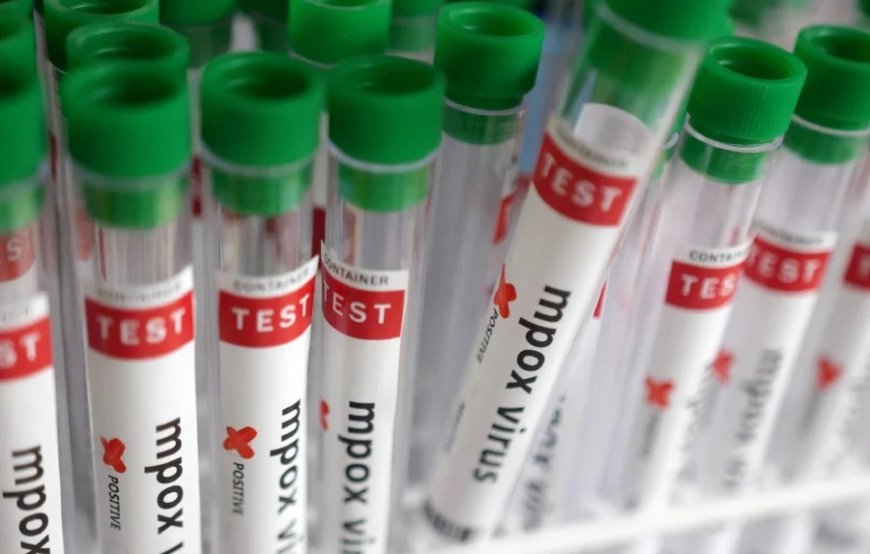
Monkeypox, a rare viral disease that is similar to smallpox but generally less severe, has recently emerged as a significant health threat in the DRC. The World Health Organization (WHO) classified the outbreak as a global health emergency, reflecting the serious nature of the situation and the potential for the disease to spread beyond the current epicenter. The DRC has been grappling with this health challenge, which has strained the country’s medical resources and response systems.
The WHO’s declaration last month highlighted the severity of the outbreak, noting that monkeypox has become a pressing issue not only in the DRC but also on the global stage. Despite efforts to contain the disease, the response has been hampered by several factors, including logistical challenges and a critical shortage of vaccines. The arrival of these vaccines represents a pivotal moment in the fight against monkeypox, offering hope for better containment and prevention measures.
Cris Kacita, who leads the task force dedicated to combating the monkeypox outbreak, has been actively involved in coordinating the response efforts. Although Kacita did not disclose the exact number of vaccines the DRC is set to receive, the delivery of these vaccines is expected to significantly bolster the country’s ability to manage and control the outbreak. The arrival of the vaccines is anticipated with great optimism, as they are a crucial tool in curbing the spread of the disease and protecting vulnerable populations.
The situation in the DRC has been increasingly alarming. Since the outbreak began, approximately 19,710 cases of monkeypox have been reported, according to the country’s Ministry of Health. This figure underscores the widespread nature of the disease and the urgent need for an effective response. The high number of cases has put tremendous pressure on the country’s healthcare system, which has been working tirelessly to provide care and support to those affected.
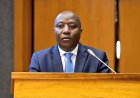
In response to the crisis, Health Minister Roger Kamba has outlined a multi-faceted strategy to address the outbreak. In a recent video message, Minister Kamba emphasized the importance of implementing preventive measures in schools. With the new school season approaching, there is a heightened focus on ensuring that children are protected from the disease. The minister highlighted plans to administer antibiotics in educational institutions and to promote rigorous handwashing practices among students. These measures are intended to reduce the risk of transmission and to foster a safer environment for children as they return to school.
The strategic focus on schools reflects an understanding of the crucial role that educational institutions play in the community. Schools are often central points of social interaction, making them key locations for both disease transmission and prevention. By targeting schools with preventive measures, the DRC aims to minimize the spread of monkeypox and protect children, who are among the most vulnerable to the disease.
The arrival of the vaccines and the implementation of preventive strategies are critical components of the broader response to the monkeypox outbreak. However, addressing this health crisis also requires sustained international support and cooperation. The global community’s involvement is essential in providing not only medical supplies but also technical assistance and financial resources to support the DRC’s response efforts.
In addition to the immediate measures being taken, long-term strategies are necessary to strengthen the country’s healthcare infrastructure and to enhance its capacity to respond to future outbreaks. The experience of managing the current crisis provides valuable lessons for improving public health systems and preparedness for emerging infectious diseases.
As the situation evolves, continued monitoring and evaluation will be essential to assess the effectiveness of the response efforts and to make necessary adjustments. Collaboration between national and international stakeholders will play a crucial role in ensuring that the response remains effective and that the impact of the outbreak is mitigated.
In summary, the Democratic Republic of Congo is at a critical juncture in its fight against monkeypox. The arrival of the first batch of vaccines marks a significant milestone in the response to the outbreak. With the implementation of targeted preventive measures and the support of the global community, there is hope that the spread of the disease can be controlled and that the health and well-being of the affected populations can be safeguarded. The situation remains dynamic, and ongoing efforts will be essential in addressing the challenges posed by this viral outbreak.