 English
 Kinyarwanda














The Process for Obtaining a Cannabis Cultivation License in Rwanda: A Comprehensive Guide
In recent years, Rwanda has made strides in expanding its agricultural sector by embracing innovative and high-value crops. Among these is cannabis, a plant that has been increasingly recognized for its economic and medicinal value. The Rwandan government has taken significant steps to regulate and promote the cultivation of cannabis through a structured licensing process available on the IremboGov platform.
Overview of Cannabis Cultivation Regulation in Rwanda
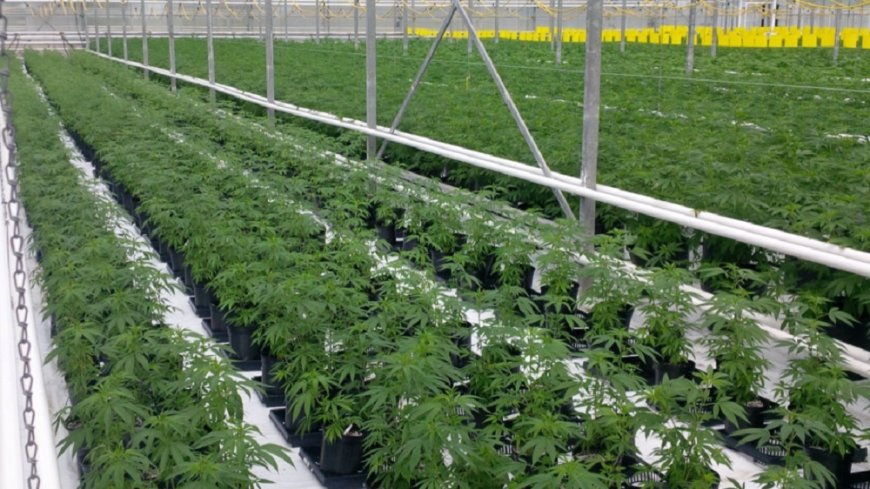
Cannabis cultivation in Rwanda became officially regulated with the issuance of a Ministerial Order in June 2021. This order set forth comprehensive guidelines for the legal cultivation, processing, distribution, and use of cannabis and its derivatives. It outlines the responsibilities of institutions involved in these activities and the requirements for obtaining necessary licenses.
Types of Licenses and Their Requirements
For those interested in cultivating cannabis, the process begins with applying for a temporary license from the Rwanda Quality Assurance, Competition, and Consumer Protection Authority (RICA). This temporary license serves as a preliminary approval and is essential for moving forward with the process of obtaining a permanent cultivation license.
Temporary License
- Application Process: Applicants must submit their requests through the IremboGov platform. The process is open to both registered and non-registered users, provided they have a Tax Identification Number (TIN).
- Documentation Required:
- Photocopy of Passport: This helps verify the applicant's identity.
- Certificate from Rwanda Development Board (RDB): This certificate confirms that the applicant meets the basic requirements for cannabis cultivation.
- Investment Certificate: Issued by relevant authorities like RDB, this certificate outlines the applicant’s commitment to the investment.
- Detailed Cultivation Plan: A comprehensive plan on how the cultivation will be conducted, including environmental management and safety measures.
- Notarized Certificates: Any additional documents required may need to be notarized for authenticity.
The service fee for obtaining a temporary license is 1 million Rwandan Francs (Frw). Once the application is submitted with all required documents, the temporary license can be issued within two days, allowing the applicant to proceed with the next steps.
Permanent License
The transition from a temporary to a permanent license involves several additional steps:
- Site Inspection: RICA will conduct a site visit to ensure that the proposed cultivation area meets all regulatory requirements. This inspection includes checking for compliance with environmental and safety standards.
- Extended Documentation:
- Laboratory Reports: These reports must show that the land intended for cultivation is free from contaminants such as heavy metals and harmful chemicals.
- Water Quality Report: Ensures that the water used for irrigation does not contain substances that could harm the plants.
- Security and Safety Measures: Detailed plans for site security, including fencing, surveillance systems, and regular patrols.
- Detailed Operational Plan: An updated plan detailing the operational aspects of the cultivation, including staffing, processes, and security measures.
The processing time for a permanent license is typically 14 days, provided all requirements are met. Unlike the temporary license, the permanent license service is offered free of charge, reflecting the government's commitment to facilitating legal and secure cannabis cultivation.
Key Developments in Cannabis Cultivation in Rwanda
The Rwandan government has embarked on an ambitious project to develop cannabis cultivation on a large scale. A notable initiative involves a 134-hectare cannabis cultivation project designed for medical use. This project represents a significant investment in the country's agricultural and medical sectors.
Construction of Processing Facilities
The construction of a state-of-the-art cannabis processing plant is underway in the Musanze District. This facility will handle the processing of cannabis harvested from the surrounding cultivation areas. The project is being spearheaded by King Kong Organics Group (KKOG), which has invested $10 million in the venture. The construction is expected to be completed by September 2024, and it is anticipated that this facility will play a crucial role in the processing and commercialization of Rwandan cannabis.
Land Allocation and Investment
In addition to the processing plant, the Rwanda Development Board (RDB) has allocated 35 hectares of land in Musanze to five investors interested in cannabis cultivation. This land allocation is part of a broader strategy to boost investment in the cannabis sector. For the fiscal year 2024/2025, RDB has planned an investment of 2 billion Rwandan Francs in cannabis-related projects, highlighting the sector’s potential for economic growth and job creation.
Security Measures for Cannabis Cultivation
Given the high value and regulatory sensitivity of cannabis cultivation, robust security measures are crucial. The government mandates several security protocols to ensure the safe and legal cultivation of cannabis:
- Fencing and Surveillance: Cultivation sites must be fenced with two layers of barriers to prevent unauthorized access. Surveillance systems, including cameras and communication networks, must be in place to monitor the site 24/7.
- Security Personnel: A licensed security company must provide round-the-clock security services, ensuring that the site is monitored at all times.
- Environmental and Safety Standards: All security measures must be documented and maintained to comply with environmental and safety standards. This includes regular inspections and reports to ensure compliance.
Global Market Trends and Opportunities
The global cannabis industry is experiencing significant growth, with projections indicating that the market will reach approximately $197.7 billion by 2028, up from $28.3 billion in 2021. This growth is driven by increased acceptance and legalization of cannabis for medical and recreational use across various countries.
Rwanda is positioning itself to tap into this growing market by developing high-quality cannabis cultivation and processing capabilities. The country aims to cater to major markets such as the United States, Canada, and European countries. These markets are seen as key opportunities for exporting Rwandan cannabis products, including medicinal and industrial cannabis.
Rwanda’s approach to regulating and promoting cannabis cultivation reflects a forward-thinking strategy aimed at harnessing the plant's economic and medicinal potential. By establishing a structured licensing process, investing in processing infrastructure, and ensuring robust security measures, the country is set to become a significant player in the global cannabis industry.
With ongoing investments and developments in the sector, Rwanda is not only enhancing its agricultural landscape but also contributing to global advancements in medical and industrial cannabis applications. The country's commitment to high standards and regulatory compliance positions it favorably for future growth and success in the burgeoning cannabis market.