 English
 Kinyarwanda

















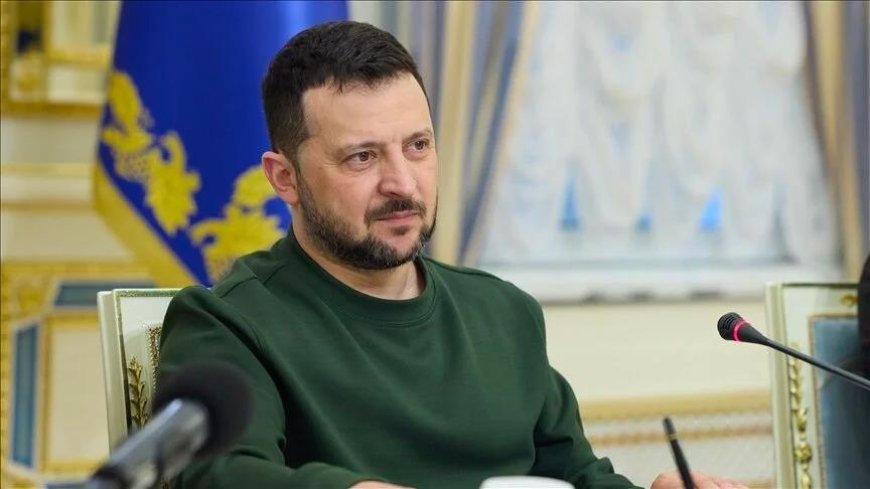
Ukrainian President Volodymyr Zelensky Dismisses Air Force Commander Following F-16 Crash
In a significant and controversial move, Ukrainian President Volodymyr Zelensky has dismissed General Nikolay Oleshchuk, the Commander of the Ukrainian Air Force, following the crash of a Lockheed Martin F-16 fighter jet. This incident, which occurred on August 26, 2024, has sparked a heated debate within Ukrainian military and political circles and has broader implications for Ukraine’s defense strategies and international alliances.
The F-16 fighter jet, produced by the American aerospace manufacturer Lockheed Martin, crashed under circumstances that remain under investigation. The sole pilot onboard, Aleksey ‘Moonfish’ Mes, was tragically killed in the incident. The jet was returning from a mission involving engagements with Russian missile and drone attacks when it went down. According to initial reports from the Ukrainian military, the aircraft was involved in intercepting three missiles and one drone before the crash occurred.
The nature of the crash has been a subject of contention. While the Ukrainian military initially attributed the incident to a malfunction or potential combat damage, a parliamentary member’s statement has introduced an alternative theory that further complicates the narrative.
Parliamentary Controversy
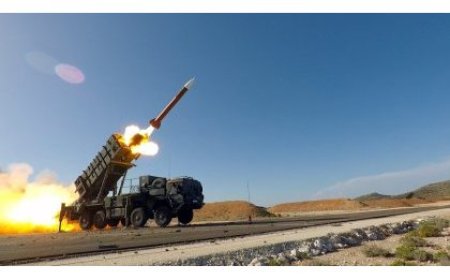
Mariana Bezuglaya, a member of the Ukrainian Parliament, claimed that the F-16 was shot down by Ukrainian forces using ‘Patriot’ missiles during a training exercise. Her comments have sparked a significant backlash, particularly from military leaders and other government officials. Bezuglaya’s assertion implies that friendly fire, rather than enemy action, may have been responsible for the jet’s downing. This revelation has not only strained internal military relations but has also brought into question the efficacy and safety of current training protocols.
General Oleshchuk, who had been overseeing Ukraine’s air defense operations, responded vehemently to Bezuglaya’s statements. He accused her of undermining the military’s credibility and damaging relations with international allies, particularly the United States, which supplies the Patriot missile systems. In a statement released on August 30, Oleshchuk warned that Bezuglaya’s comments could lead to legal action and demanded an official apology from her and the Ukrainian military. His response underscores the gravity with which the Ukrainian leadership views the potential implications of the incident on international relations and military discipline.
Internal Repercussions
The dismissal of General Oleshchuk marks a significant shake-up in Ukraine’s military hierarchy. As one of the key figures responsible for coordinating air defense operations, his removal could have far-reaching effects on Ukraine’s defense strategy. Oleshchuk’s departure has led to the appointment of Lieutenant General Anatoly Krivonozhko as the Acting Commander of the Air Force, starting August 30. Krivonozhko’s new role places him at the forefront of managing the Air Force during a period of heightened scrutiny and operational pressure.
The transition in leadership comes at a critical time for Ukraine, as the country continues to face ongoing conflict with Russian forces. The effectiveness of Ukraine’s air defense and its ability to manage and mitigate risks are crucial for national security. The new leadership under Krivonozhko will need to address not only the immediate operational challenges but also the broader issues of internal accountability and external relations.
Broader Implications
The F-16 crash and the subsequent fallout highlight several critical issues facing Ukraine. Firstly, the incident underscores the inherent risks and complexities of modern military operations, particularly when using advanced technology in high-stress environments. The use of sophisticated systems like the F-16 and Patriot missiles involves intricate coordination and precise execution, and any failure in these areas can lead to serious consequences.
Additionally, the controversy surrounding the crash and the parliamentary statements reflect the broader challenges of maintaining military discipline and managing public perception. In a conflict situation, where information is often fragmented and competing narratives emerge, the handling of such incidents can significantly impact the morale of the armed forces and the confidence of the public and international partners.
The diplomatic dimensions of the incident cannot be overlooked. Ukraine’s military relies heavily on support from international allies, including the United States, which provides critical defense equipment and support. Any actions or statements that could be perceived as undermining these partnerships may affect Ukraine’s ability to secure ongoing assistance and collaboration. The tensions arising from the crash and its aftermath serve as a reminder of the delicate balance that must be maintained between national interests, military effectiveness, and international relations.
Moving Forward
As Ukraine navigates the aftermath of the F-16 crash and the internal and external repercussions, several key factors will shape the country’s path forward. The effectiveness of Lieutenant General Anatoly Krivonozhko in his new role will be closely watched, as he will need to address the operational challenges while rebuilding trust within the military and with international allies.
Moreover, the Ukrainian government’s response to the incident and the handling of related controversies will be critical in determining the broader impact on the nation’s defense posture and international standing. The ability to manage internal dissent, ensure operational integrity, and maintain strong international relationships will be crucial for Ukraine as it continues to face complex security challenges.
In conclusion, the dismissal of General Oleshchuk and the controversy surrounding the F-16 crash highlight significant issues within Ukraine’s military and political spheres. The resolution of these issues will play a crucial role in shaping the future of Ukraine’s defense strategy and its relationships with key international partners. As the situation unfolds, the focus will be on ensuring that lessons are learned, accountability is maintained, and the country’s defense capabilities are strengthened in the face of ongoing challenges.