 English
 Kinyarwanda
















Israeli Airstrike in Southern Lebanon Claims 10 Lives, Targets Hezbollah Weapons Depot
On 17th August, 2024, a devastating Israeli airstrike in southern Lebanon resulted in the deaths of at least ten individuals, including a woman and her two children. This incident has further intensified the already volatile situation in the region, where ongoing conflicts between Israel and Hezbollah have led to significant casualties and destruction.
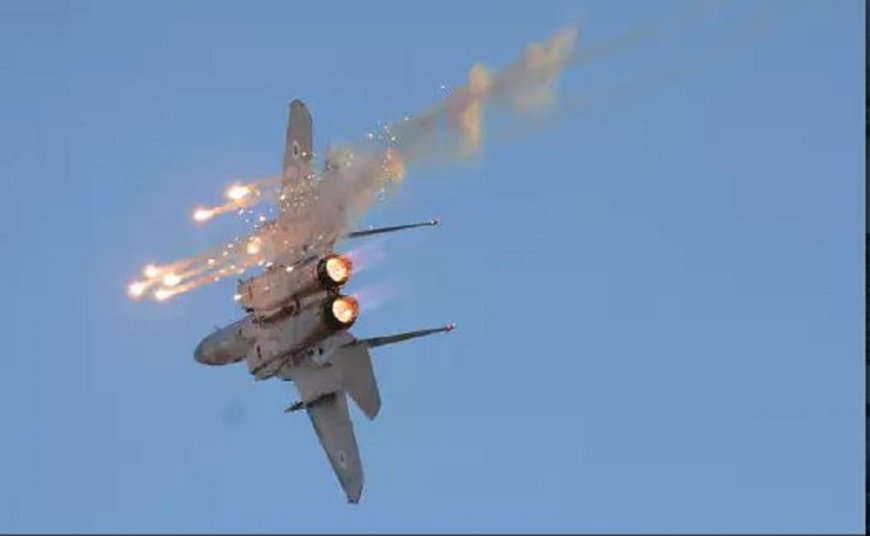
The Lebanese Ministry of Health reported that the airstrike struck a residential area in the southern part of Lebanon, resulting in the immediate deaths of several people and severe injuries to others. Among the fatalities were a woman and her two young children, who were caught in the blast. The attack left additional individuals wounded, with two of them in critical condition. This tragic event has sparked outrage and concern both within Lebanon and internationally, highlighting the ongoing humanitarian crisis in the region.
The Israeli military, on the other hand, has defended its actions by stating that the airstrike was a targeted operation against a Hezbollah weapons storage facility. According to the Israeli Defense Forces (IDF), their air force targeted an ammunition depot located in the Nabatieh area, which is situated approximately 12 kilometers from the Israeli border. The IDF has claimed that this facility was used to store and possibly manufacture weaponry intended for use against Israeli forces.
Prior to this airstrike, the Israeli military had also reported conducting operations against other military sites in the region. On social media, the IDF had indicated that their fighter jets had struck military installations in the villages of Maroun al-Ras and Aita al-Shaab, which are located more than 50 kilometers south of Nabatieh. These strikes were part of a broader military campaign aimed at neutralizing what Israel perceives as imminent threats from Hezbollah.
The escalation of violence has led to heightened tensions between the two sides, with each accusing the other of provoking and perpetuating the conflict. Hezbollah, a Shiite militant group based in Lebanon, has been involved in numerous clashes with Israeli forces over the years. The group's stronghold in southern Lebanon has frequently been the target of Israeli military operations, which are aimed at curbing the group's military capabilities and preventing cross-border attacks.
In response to the recent airstrike, Lebanon's national news agency reported that an additional consequence of the attack was the destruction of a brick factory on the outskirts of Wadi al-Kfour, a town in northern Lebanon. The factory, which was located near the city's periphery, was severely damaged by the Israeli bombing. The factory's caretaker, a Syrian national, along with his entire family, lost their lives in the incident. This development adds another layer of tragedy to the already dire situation, as civilian infrastructure and lives continue to be caught in the crossfire of the ongoing conflict.
The international community has expressed growing concern over the escalating violence in the region. Various humanitarian organizations and international bodies have called for an immediate cessation of hostilities and urged both sides to seek diplomatic solutions to the conflict. The United Nations has also issued statements condemning the attack and calling for an investigation into the casualties and destruction caused by the airstrike.
The situation in southern Lebanon remains precarious, with ongoing clashes and exchanges of fire between Israeli forces and Hezbollah militants. The cycle of violence has led to numerous casualties and has exacerbated the humanitarian crisis in the region. Displacement, destruction of homes, and loss of life have become recurring themes as the conflict continues to unfold.
In addition to the immediate humanitarian concerns, there are also broader geopolitical implications of the ongoing conflict. The clashes between Israel and Hezbollah have implications for regional stability and international relations. The involvement of external actors, including various state and non-state entities, adds complexity to the situation and makes resolution more challenging.
Efforts to de-escalate the conflict and address the underlying issues remain critical. Diplomatic initiatives and negotiations are essential to finding a lasting solution that addresses the grievances of all parties involved and ensures the protection of civilian lives and infrastructure. The international community plays a crucial role in facilitating dialogue and supporting efforts to achieve peace and stability in the region.
As the situation evolves, it is important for all parties to adhere to international humanitarian law and prioritize the protection of civilians. The recent airstrike and its devastating consequences underscore the urgent need for a concerted effort to de-escalate tensions and work towards a peaceful resolution.
In summary, the recent Israeli airstrike in southern Lebanon, which resulted in the deaths of at least ten individuals and targeted a Hezbollah weapons depot, has further heightened tensions in the region. The attack has led to significant civilian casualties and has drawn international condemnation. The ongoing conflict between Israel and Hezbollah continues to pose a serious threat to regional stability and humanitarian well-being. It is crucial for the international community to support diplomatic efforts aimed at resolving the conflict and addressing the needs of affected communities.
The Israel-Hezbollah conflict is a multifaceted and prolonged struggle rooted in the broader Arab-Israeli conflict, marked by a series of military confrontations, political tensions, and complex regional dynamics.
Historical Context:
Hezbollah, a Shiite militant group, was founded in 1982 during the Israeli invasion of Lebanon. Its primary objectives were to resist Israeli occupation of southern Lebanon and to establish an Islamic state in Lebanon, though its later focus shifted more towards opposing Israeli actions and influence in the region. Hezbollah receives substantial support from Iran and Syria, which has bolstered its military capabilities and political influence.
Key Conflicts and Escalations:
- 1982 Lebanon War: Israel’s invasion aimed to expel the Palestine Liberation Organization (PLO) from Lebanon, leading to the eventual occupation of southern Lebanon. Hezbollah emerged as a key resistance force against Israeli forces and began carrying out attacks against Israeli troops.
- 2000 Withdrawal and Aftermath: In 2000, Israel unilaterally withdrew from southern Lebanon, ending its 18-year occupation. Hezbollah claimed victory and strengthened its position in Lebanese politics and society. However, the border area remained volatile, with frequent skirmishes and ongoing tensions.
- 2006 Lebanon War: A major conflict erupted in July 2006 when Hezbollah launched a cross-border raid into Israel, capturing two Israeli soldiers. Israel responded with extensive airstrikes and a ground invasion of southern Lebanon. The war lasted for 34 days, resulting in significant casualties and destruction on both sides. The conflict ended with a United Nations-brokered ceasefire, but it left deep scars and unresolved issues.
- Post-2006 Period: Following the 2006 war, periods of relative calm alternated with intermittent flare-ups. Hezbollah continued to build its military capabilities, including stockpiling advanced weapons and engaging in regional conflicts. Tensions frequently erupted over border incidents and military engagements.
- Syrian Civil War and Regional Impact: Hezbollah's involvement in the Syrian Civil War, supporting the Assad regime, further complicated the regional dynamics. This intervention increased its influence in the region but also drew criticism and intensified opposition from various factions.
Current Situation:
The Israel-Hezbollah conflict remains unresolved, characterized by periodic escalations and a fragile status quo. The situation is influenced by broader regional conflicts, including the ongoing tension between Iran and Israel. Both sides maintain a high level of military readiness and engage in sporadic exchanges of fire, contributing to a persistent state of unease along the Israel-Lebanon border.
Humanitarian Impact:
The conflict has had severe humanitarian consequences, with numerous casualties, displacement, and destruction of infrastructure. Both Lebanese and Israeli civilians have suffered from the periodic violence, and efforts to address the humanitarian needs of affected populations are ongoing.
International Response:
The international community has played a role in mediating ceasefires and addressing humanitarian needs. The United Nations and other international bodies have worked to facilitate dialogue and support peace efforts, though a comprehensive resolution remains elusive.
In summary, the Israel-Hezbollah conflict is a complex and enduring struggle shaped by historical grievances, political ambitions, and regional dynamics. While periods of relative calm have occurred, the underlying issues remain unresolved, and the potential for further conflict persists.