 English
 Kinyarwanda






Russian Government Grants $100 Million Military Aid to Uganda: An In-Depth Analysis
On Friday, the Russian government officially announced a substantial aid package amounting to $100 million (approximately Rwf 133 billion) to support the Ugandan military. This significant financial assistance comes under the direct instructions of President Vladimir Putin and marks a notable development in the strategic relationship between Russia and Uganda.
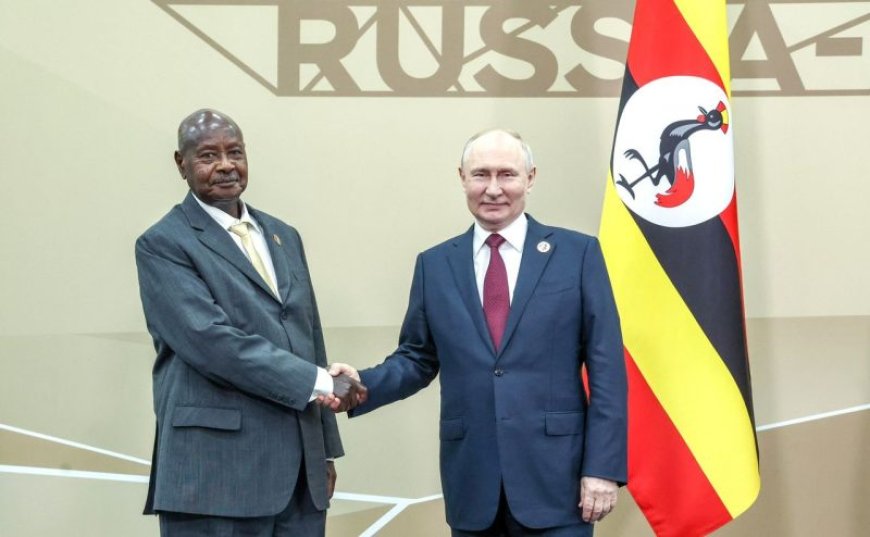
This aid package is a follow-up to a series of high-level discussions between President Vladimir Putin and Ugandan President Yoweri Kaguta Museveni, which were held in Saint Petersburg last year. These meetings underscored the growing partnership between the two nations, particularly in the realm of military and strategic collaboration.
Historical Context and Diplomatic Relations
The relationship between Russia and Uganda dates back to the early 1960s when both countries established diplomatic ties. Since then, their relationship has been characterized by a blend of political, economic, and military interactions. Uganda, under President Museveni, has been a consistent ally of Russia, and the bilateral relations have been nurtured through various forms of cooperation.
Russia's interest in Uganda has grown over the years, with the country increasingly seen as a key partner in Africa. This shift is partly due to Uganda's strategic position and its role as a significant player in regional politics. The recent aid package reflects Russia's recognition of Uganda as a crucial ally on the continent, surpassing other African nations in terms of strategic importance.
Strategic and Military Cooperation
The recent aid package is a direct outcome of the ongoing military cooperation between Kampala and Moscow. Over the past few years, Uganda’s Chief of Defense Forces, General Muhoozi Kainerugaba, has engaged in multiple meetings with Russian military officials. These discussions have centered on enhancing military collaboration and expanding the scope of joint operations.
The aid is expected to bolster Uganda's defense capabilities, providing the necessary resources to modernize its military infrastructure. This includes advanced weaponry, training programs, and logistical support, all aimed at strengthening Uganda's defense posture and operational readiness.
The collaboration between Uganda and Russia is part of a broader strategic framework that includes joint military exercises, technology transfers, and intelligence sharing. This partnership aligns with Russia's broader strategy of expanding its influence in Africa, where it has been increasingly active in recent years.
Implications for Uganda and Regional Stability
The financial aid from Russia has significant implications for Uganda. On one hand, it provides much-needed resources to enhance the country's military capabilities. On the other hand, it also signifies a deepening of Uganda's strategic alignment with Russia, potentially impacting the regional balance of power.
For Uganda, this aid represents a critical opportunity to strengthen its defense forces and improve its security infrastructure. It also reflects the country's ongoing efforts to diversify its military partnerships and reduce dependency on Western military aid.
Regionally, the increased military support from Russia could alter the dynamics of power and influence. Uganda's enhanced military capabilities might shift the balance in its favor, affecting neighboring countries and regional alliances. It could also influence the broader geopolitical landscape in Africa, as other nations might respond to Russia's growing influence on the continent.
Broader Context of Russian-Africa Relations
Russia's growing engagement with Africa is part of a broader strategic initiative aimed at expanding its influence across the continent. In recent years, Russia has been actively involved in various African countries, offering military assistance, economic support, and diplomatic backing.
This engagement is driven by several factors, including Russia's desire to counterbalance Western influence, secure access to valuable resources, and establish strategic partnerships. The aid package to Uganda is a testament to Russia's commitment to strengthening its ties with key African nations and solidifying its presence in the region.
Future Prospects and Challenges
Looking ahead, the future of the Russia-Uganda relationship appears promising, with continued collaboration expected in various fields. However, there are challenges and uncertainties that could impact this partnership.
One challenge is the potential backlash from other international actors who might view Russia's increasing influence in Africa with concern. Western nations, in particular, may scrutinize the nature of the military aid and its implications for regional stability.
Additionally, Uganda will need to manage its relationships with other international partners while deepening its ties with Russia. Balancing these relationships will be crucial for maintaining diplomatic and economic stability.
In conclusion, the $100 million military aid package from Russia to Uganda represents a significant milestone in the two countries' bilateral relationship. It highlights the strategic importance of Uganda as a key partner for Russia in Africa and underscores the broader trends in international diplomacy and military cooperation. As the partnership continues to evolve, it will be essential to monitor the developments and assess their impact on regional and global dynamics.