 English
 Kinyarwanda













Moscow Mayor Reports on Major Drone Attack Amid Heightened Tensions
In a significant development in the ongoing conflict between Russia and Ukraine, Sergey Sobyanin, the Mayor of Moscow, has provided an update on a large-scale drone attack that occurred in the city last night. This attack, described as a major escalation in hostilities, involved over 40 drones launched from Ukrainian territory with the intent of targeting critical infrastructure in Moscow.
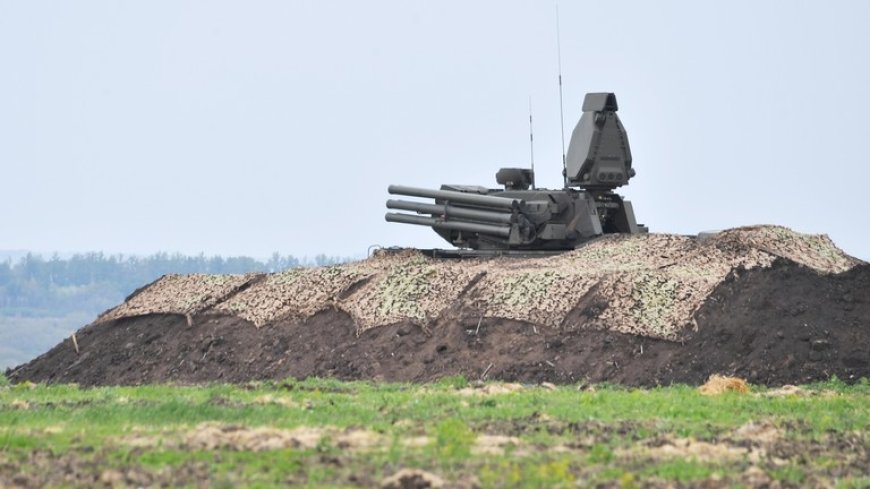
Sobyanin’s statement detailed that the drones aimed specifically at oil refineries located in the Kapotnya district. This area is crucial for Moscow's industrial operations, with its refineries playing a key role in the city's energy sector. The attack represents a strategic effort by Ukraine to disrupt Russian industrial capabilities and economic stability. Despite the severity of the assault, Sobyanin reported that all drones were intercepted by the city’s advanced air defense systems. The successful interception prevented any casualties or damage to property, highlighting the effectiveness of Moscow's defense mechanisms in managing such high-intensity threats.
The recent drone assault underscores a marked increase in the level of aggression in the conflict between Russia and Ukraine. For months, Ukraine has been intensifying its military actions against Russian targets, employing various tactics such as drone strikes, artillery attacks, and other forms of warfare. While many of these attacks have been neutralized or have had limited impact, the frequency and severity of these engagements have grown over time. The drone attack on Moscow is a testament to this escalating trend and reflects the broader strategic shifts in the ongoing conflict.
Sobyanin’s response to the incident was aimed at reassuring Moscow’s residents about their safety and the city’s preparedness for such attacks. He emphasized that the city’s security infrastructure is robust and effective, and he urged citizens to continue their daily activities without fear or disruption. This reassurance is part of a broader effort by Russian authorities to maintain public morale and confidence in the face of increasing threats.
The escalation in the conflict is not limited to drone attacks. There has been a significant increase in ground battles and military operations across various regions. One of the most notable developments has been Ukraine's recent incursions into the Russian region of Kursk. This move represents a substantial shift in the conflict’s dynamics, as it extends the theater of operations beyond traditional battlegrounds and into Russian territory.
The situation in Kursk has been particularly intense. Ukrainian forces have attempted to advance into the region, leading to a series of fierce confrontations with Russian troops. The fighting in Kursk has been characterized by heavy engagements, with both sides deploying considerable resources and personnel. Despite Ukrainian efforts to gain ground, Russian forces have managed to repel these incursions and maintain control over key areas. The ongoing clashes in Kursk highlight the volatility of the conflict and the high stakes involved for both parties.
The broader context of the Russia-Ukraine conflict is marked by deepening geopolitical tensions and shifting strategic considerations. Initially, the conflict was concentrated in the eastern regions of Ukraine, with localized battles and skirmishes defining the front lines. However, as the conflict has evolved, both Russia and Ukraine have expanded their operational reach, leading to increased incidents like the recent drone attack on Moscow. This broader scope reflects the deepening animosity between the two nations and their respective strategies to gain leverage.
Internationally, the conflict has garnered significant attention and involvement. Various countries and international organizations have taken positions on the conflict, either through diplomatic measures, economic sanctions, or military support. The involvement of global actors has added layers of complexity to the situation, influencing the strategic calculations of the warring parties and the overall dynamics of the conflict.
The increased frequency and intensity of attacks also raise questions about the potential for further escalation. As both Russia and Ukraine continue to adapt their military strategies, there is a risk of further intensification of hostilities. The strategic shifts, including the targeting of key infrastructure and expansion of operational areas, suggest a potential for continued and possibly worsening conflict.
The situation in Moscow and Kursk also highlights the broader humanitarian impact of the conflict. Civilians in affected areas face the direct consequences of the hostilities, including the threat of violence, displacement, and disruption of daily life. The drone attack on Moscow serves as a stark reminder of the vulnerabilities faced by civilians living in conflict zones. Despite the immediate success of Moscow’s defenses, the broader implications for residents and their daily lives remain significant.
Efforts to address the conflict and seek a resolution continue at various levels. Diplomatic initiatives and negotiations play a crucial role in efforts to de-escalate tensions and find a sustainable solution. International bodies and mediators are actively engaged in facilitating dialogue between the conflicting parties. However, the entrenched positions and divergent interests of Russia and Ukraine pose significant challenges to achieving a resolution.
As the conflict progresses, there is a growing recognition of the need for comprehensive strategies to address the underlying issues and mitigate the humanitarian impact. The international community remains engaged in efforts to support conflict resolution and provide assistance to those affected by the hostilities. The complexity of the situation demands a multifaceted approach, including diplomatic, economic, and humanitarian efforts.
In summary, the recent drone attack on Moscow and the ongoing clashes in Kursk underscore the heightened tensions and evolving dynamics of the Russia-Ukraine conflict. The increased frequency and intensity of attacks reflect a broader strategic shift and highlight the challenges faced by both sides. The broader geopolitical implications and humanitarian impact of the conflict remain significant, underscoring the need for continued diplomatic engagement and international support. As the situation continues to develop, the international community's efforts to address the crisis and seek pathways to peace will be crucial in shaping the future trajectory of the conflict.