 English
 Kinyarwanda





Lewis Hamilton Advocates for Formula 1 in Africa, Collaborates with Rwanda and South Africa to Make It Happen
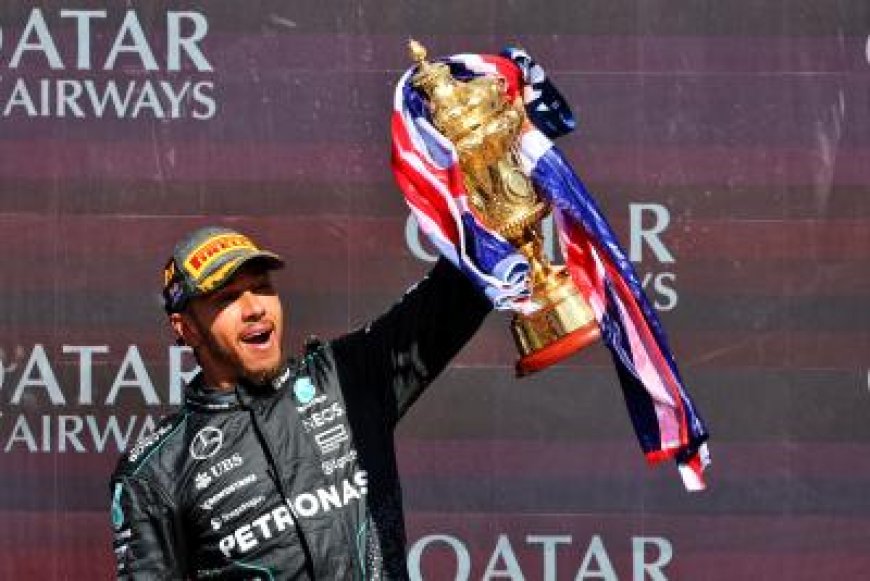
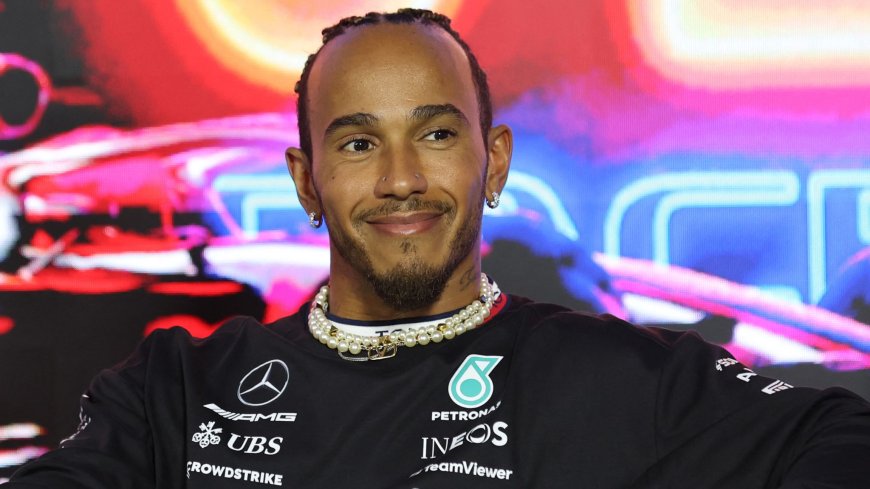
Lewis Hamilton, a seven-time Formula 1 World Champion and a global ambassador for diversity in motorsport, has once again voiced his strong desire to see Formula 1 return to Africa. On Thursday, August 22, Hamilton spoke passionately about the need for the sport to be hosted on the African continent, a region that has been largely overlooked by the F1 calendar for decades. He revealed that he has been actively working behind the scenes, engaging in discussions with key stakeholders in Rwanda and South Africa, to turn this vision into reality.
The Significance of Formula 1 in Africa
Formula 1, often regarded as the pinnacle of motorsport, has a rich history that spans across numerous continents. However, Africa has been notably absent from the F1 calendar since the last South African Grand Prix, which took place at the Kyalami Circuit in 1993. Despite its vast cultural and geographical diversity, as well as its passionate sports fanbase, Africa has not hosted a Formula 1 race in over three decades. This absence has raised questions about the inclusivity and global representation of the sport.
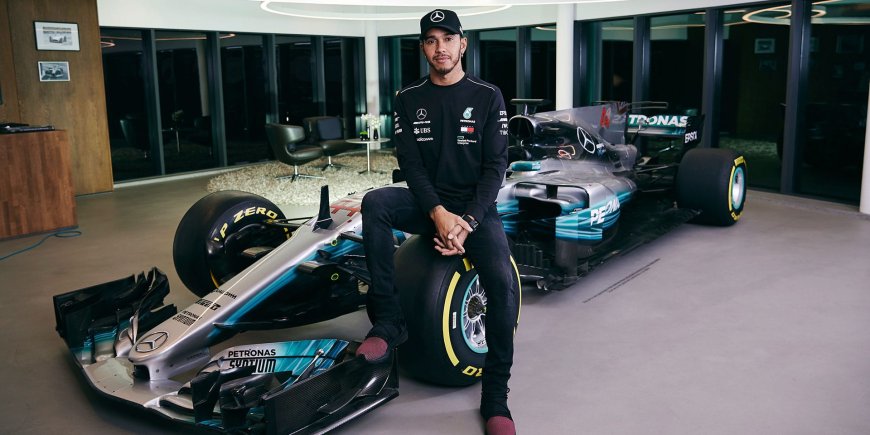
Hamilton, who is not only a dominant figure on the track but also an outspoken advocate for social justice and equality, believes that the time has come for Formula 1 to return to Africa. During a press conference at the Dutch Grand Prix, he emphasized the importance of bringing the sport back to a continent that has contributed so much to the world but has often been overlooked.
"The time is 100% right," Hamilton stated. "We cannot continue to add races elsewhere and continue to ignore Africa, while the whole world is taking what it wants from the continent. Nobody is giving anything back to Africa."
Hamilton’s words underscore a broader issue: the imbalance in how the global sports industry engages with Africa. While the continent is often seen as a source of talent and resources, it is rarely given the same opportunities to showcase its potential on the world stage. Hosting a Formula 1 race in Africa would not only be a significant step towards rectifying this imbalance but also a powerful statement about the sport’s commitment to diversity and inclusion.
The Economic and Cultural Impact of Formula 1 in Africa
The return of Formula 1 to Africa could have profound economic and cultural impacts. For countries like Rwanda and South Africa, hosting a Grand Prix would be more than just a sporting event—it would be an opportunity to boost tourism, attract international investment, and showcase their countries to a global audience. The economic benefits of hosting such a high-profile event are well-documented. Countries that host Formula 1 races often see a significant increase in tourism revenue, as fans from around the world flock to the race location. Additionally, the global exposure generated by Formula 1 can help elevate the international profile of the host country, attracting further business opportunities and enhancing its reputation as a destination for major events.
"I think hosting a Grand Prix there could truly showcase the beauty of the place and bring in tourism and various other benefits. Why aren’t we on that continent?" Hamilton pondered.
Moreover, a Formula 1 race in Africa could serve as a powerful cultural moment, bringing together people from different backgrounds and promoting unity through sport. The visibility of a Formula 1 race in Africa would also inspire a new generation of African motorsport enthusiasts and potentially pave the way for more African talent to enter the sport.
Rwanda and South Africa Implicit Hosts for Formula 1
Rwanda and South Africa have surfaced as implicit hosts for a future African Grand Prix. South Africa, with its rich motorsport heritage and the Kyalami Circuit — an iconic track that has hosted multitudinous memorable races — appears to be a frontrunner.
The Kyalami Circuit, located just outside Johannesburg, is formerly a well- established venue with the structure demanded to host a Formula 1 race. It has been the subject of exchanges for a implicit return to the Formula 1 schedule for several times." There is at least one track that is ready.
In a short time, we should be suitable to get on that track and have that part of the schedule, and also work on erecting commodity truly special," Hamilton said, pertaining to Kyalami. still, Rwanda’s interest in hosting a Formula 1 race is particularly intriguing. Known as the" Land of a Thousand Hills," Rwanda has made significant strides in recent times to position itself as a mecca for invention and sustainable development. The country’s leadership has shown a keen interest in using sport as a tool for development and tact.
Formula 1 CEO Stefano Domenicali recently vindicated that Rwanda is eager to host the race on a regular base, with further exchanges listed for September. Hamilton has been tête- à- tête involved in these exchanges. As the first and only Black automobilist in Formula 1, his influence and advocacy for diversity have been necessary in pushing the sport to expand its horizons.
He revealed that he has had exchanges with both Rwandan and South African officers, expressing his commitment to seeing this design through." Rwanda is one of the places I love the ultimate that I've ever visited. I’ve been working behind the scenes on this for some time," Hamilton partook." I’ve spoken with people in Rwanda, I’ve spoken with people in South Africa.
It’s a long- term design, Rwanda, but it’s amazing to see how eager they are to be involved." Hamilton’s Deep Connection to Africa Hamilton’s advocacy for a Formula 1 race in Africa is deeply particular. Over the times, he has developed a strong connection to the landmass, visiting multiple countries and engaging in various humanitarian sweats.
His recent expedition have taken him to Morocco, Senegal, Benin, Mozambique, and Madagascar, where he has worked nearly with the United Nations High Commissioner for refugees( UNHCR) to support exile communities and raise awareness about global issues. Hamilton’s visits to Africa have profoundly impacted him, and he constantly speaks about the transformative exploits he has had on the landmass. His connection to Africa is n't just about his heritage Hamilton has Grenadian roots but also about his desire to use his platform to effect positive change." I’ve always felt a deep connection to Africa, and every time I visit, I learn commodity new," Hamilton said in a former interview."
The people, the culture, the history it’s all so rich and different. It’s a part of the world that everyone should substantiation." The Road Ahead Challenges and openings While the prospect of a Formula 1 race in Africa is provocative, there are still challenges to overcome. profitable factors, logistical considerations, and the need for significant structure investments are all implicit hurdles. still, with the right commitment and collaboration, these challenges can be addressed.
The involvement of pivotal figures like Lewis Hamilton adds significant weight to the trouble. Hamilton’s global influence, combined with his passion for social justice and equality, makes him a important advocate for bringing Formula 1 to Africa. His engagement with Rwanda and South Africa is a testament to his commitment to making this dream a reality. Formula 1’s return to Africa would mark a major moment for the sport and the landmass.
It would be a festivity of Africa’s contributions to global culture and an acknowledgment of its eventuality as a host for world- class events. For Hamilton, it would also be a particular win — a consummation of his vision for a further inclusive and representative motorsport. As exchanges continue, the world watches with anticipation. Will Africa ultimately return to the Formula 1 schedule? If Hamilton has his way, it’s not a matter of if, but when.