 English
 Kinyarwanda




Massacre in Makala: 129 Prisoners Killed in DRC Prison Riot
Kinshasa, September 2, 2024 – A violent uprising at the notorious Makala Central Prison in Kinshasa, Democratic Republic of Congo (DRC), has left 129 prisoners dead in what is being described as one of the deadliest incidents in the country's penal history. The tragic events unfolded in the early hours of Monday morning when a group of inmates attempted to escape from the overcrowded and dilapidated facility.
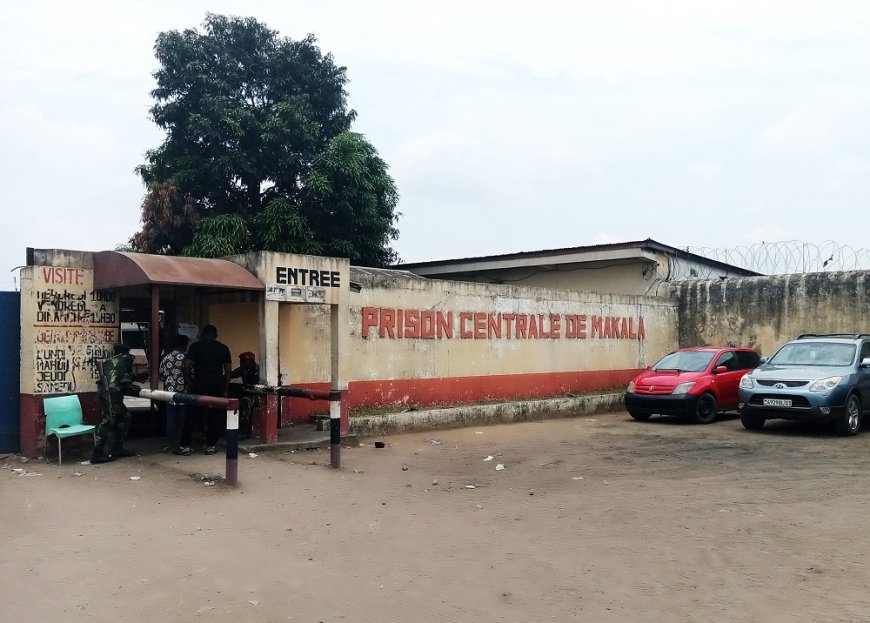
The Makala Prison Tragedy
According to the Minister of Interior Security, Jacquemain Shabani, the massacre began when a number of prisoners, facing inhumane conditions, tried to break free from the prison. The ensuing chaos escalated quickly as the escapees set fire to several key buildings within the prison compound, including the administrative offices, the record room, the clinic, and the food storage facility. The situation spiraled out of control, leading to a brutal crackdown by prison authorities.
Minister Shabani, in a statement released later that day, confirmed the grim toll: "The provisional death toll stands at 129 prisoners, of whom 24 were shot dead by the guards after they ignored warnings to cease their escape attempt. The remaining deaths occurred in the ensuing melee, as prisoners were trampled or suffocated in the panic."
In addition to the fatalities, the Minister reported that 59 prisoners were seriously injured during the incident. These individuals are currently receiving medical attention under the supervision of the government. Disturbingly, it was also revealed that a small number of female inmates were sexually assaulted during the chaos, further highlighting the horrific nature of the event.
Overcrowding and Inhumane Conditions
The Makala Central Prison, originally built to house around 1,500 inmates, has been notorious for its severe overcrowding. At the time of the riot, the prison was holding over 15,000 inmates – ten times its intended capacity. This severe overcrowding has led to deplorable living conditions, with inmates often forced to sleep in shifts due to a lack of space. Basic necessities such as food, water, and medical care are scarce, contributing to widespread disease and malnutrition among the prison population.
For years, human rights organizations have raised alarms about the conditions in Congolese prisons, particularly in Makala. Reports of inmates dying from preventable diseases, hunger, and violence are commonplace. Despite repeated calls for reform, the DRC government has struggled to address the root causes of these issues, citing a lack of resources and ongoing security concerns as major obstacles.
In the days leading up to the riot, inmates had been increasingly vocal about their grievances. Many had sent letters and petitions to government officials, pleading for intervention to improve their living conditions. The prison administration, overwhelmed and understaffed, was unable to address these concerns, leading to rising tensions that eventually boiled over into violence.
Government Response and Public Outcry
The DRC government’s response to the incident has been swift but controversial. Minister Shabani’s statement was an attempt to quell growing public anger, particularly after conflicting reports emerged about the death toll. Earlier, the Minister of Justice, Constant Mutamba, had claimed that only two prisoners had died in the incident. This gross underestimation of the fatalities sparked outrage on social media, with many accusing the government of attempting to cover up the true scale of the tragedy.
In the wake of the massacre, opposition leaders and human rights advocates have called for an independent investigation into the events at Makala. Martin Fayulu, a prominent opposition politician, has been particularly vocal in his condemnation of the government’s handling of the situation.
This atrocity is a crime that must be punished. I demand transparency in this matter and that those involved in this killing be brought to justice. Respect for human life and dignity must be upheld in the DRC," Fayulu said in a statement. His words have resonated with many Congolese citizens, who see the massacre as symptomatic of broader issues within the country’s justice system.
The call for accountability has been echoed by international organizations, including Amnesty International and Human Rights Watch, both of which have long documented abuses within the Congolese prison system. These organizations are urging the DRC government to allow for an independent inquiry that would not only investigate the immediate causes of the massacre but also address the systemic issues that have led to such a catastrophic loss of life.
Historical Context and International Implications
The Makala massacre is not an isolated incident but rather the latest in a series of violent events that have plagued the DRC’s prison system. Over the past decade, there have been numerous reports of deadly prison riots, escapes, and violent crackdowns. These incidents are often linked to the broader instability within the DRC, a country that has been mired in conflict and political turmoil for decades.
The DRC’s prisons are filled with a mix of convicted criminals, political prisoners, and individuals who have been detained without trial, some of whom have languished in prison for years without ever seeing a courtroom. The justice system, crippled by corruption and inefficiency, is unable to process cases in a timely manner, leading to a massive backlog that further exacerbates overcrowding.
Internationally, the Makala massacre could have significant implications for the DRC’s relationships with foreign governments and international organizations. The United Nations, which has a large peacekeeping presence in the DRC, has expressed concern about the incident. There is fear that this massacre could undermine ongoing efforts to stabilize the country, particularly in the lead-up to national elections scheduled for later this year.
The European Union and the United States, both of which provide aid to the DRC, have also indicated that they are closely monitoring the situation. Depending on the outcome of the investigation and the DRC government’s response, there could be calls for sanctions or a reevaluation of aid programs aimed at supporting the country’s justice and security sectors.
The Path Forward
In the immediate aftermath of the Makala massacre, the DRC government faces immense pressure to demonstrate that it can prevent such tragedies from happening again. This will require more than just punitive measures against those directly involved in the violence; it will necessitate a comprehensive overhaul of the country’s prison system.
Human rights advocates are calling for the construction of new prison facilities to alleviate overcrowding, as well as for significant investments in prison staff training and inmate rehabilitation programs. There is also a push for legal reforms that would reduce the number of individuals held in pre-trial detention and expedite the judicial process for those already incarcerated.
For the families of those who died in Makala, justice may seem elusive. However, the public outcry following this massacre has brought renewed attention to the dire conditions within Congolese prisons, offering a glimmer of hope that meaningful change may finally be on the horizon.
The Makala massacre is a stark reminder of the fragility of human rights in conflict-ridden regions. As the DRC grapples with the aftermath of this tragedy, the international community must remain vigilant, ensuring that the voices of the victims and their families are not lost amid the chaos. Only through sustained pressure and support can the DRC hope to build a justice system that truly upholds the dignity and rights of all its citizens.