 English
 Kinyarwanda















Rising Tensions in the Horn of Africa: The Ethiopia-Egypt-Somalia Power Struggle
Tensions between Ethiopia and Egypt have resurfaced, largely due to the recent military cooperation agreement that Egypt signed with Somalia. This development has stirred concerns in Ethiopia, a country already embroiled in long-standing disputes with both Egypt and Somalia over territorial and geopolitical interests. The agreement has reignited concerns that the dynamics in the Horn of Africa could shift, with potential regional instability as a consequence.
Background of the Conflict
At the heart of the Egypt-Ethiopia dispute is the Grand Ethiopian Renaissance Dam (GERD), a massive infrastructure project on the Blue Nile River. The dam, which Ethiopia views as crucial for its development, is expected to provide electricity to millions of Ethiopians and transform the nation into a regional energy hub. For Ethiopia, GERD represents a symbol of sovereignty and progress, marking its efforts to lift millions of its citizens out of poverty by harnessing its natural resources. However, Egypt sees the dam as a potential existential threat. The Nile River supplies more than 90% of Egypt’s freshwater, and Cairo fears that the dam could reduce water flow, severely affecting its agriculture and water security.
For more than a decade, Egypt has strongly opposed the construction and filling of GERD, arguing that it could dangerously diminish the amount of water flowing into its territory. Despite several rounds of negotiations mediated by the African Union and other international actors, no long-lasting agreement has been reached between the two countries. Egypt has been persistent in its calls for Ethiopia to ensure that the filling and operation of the dam do not significantly affect the downstream flow of the Nile River.
While Ethiopia has promised that the dam will not have a major impact on the flow of water into Egypt and Sudan, Egypt remains skeptical. The situation has led to heightened tensions, with Egyptian President Abdel Fattah el-Sisi repeatedly stressing that “all options are on the table” in response to Ethiopia’s actions regarding the dam. Ethiopia, on the other hand, has remained defiant, asserting that it has the right to develop its resources for the benefit of its people.
The Role of Somalia and Egypt's Military Agreement
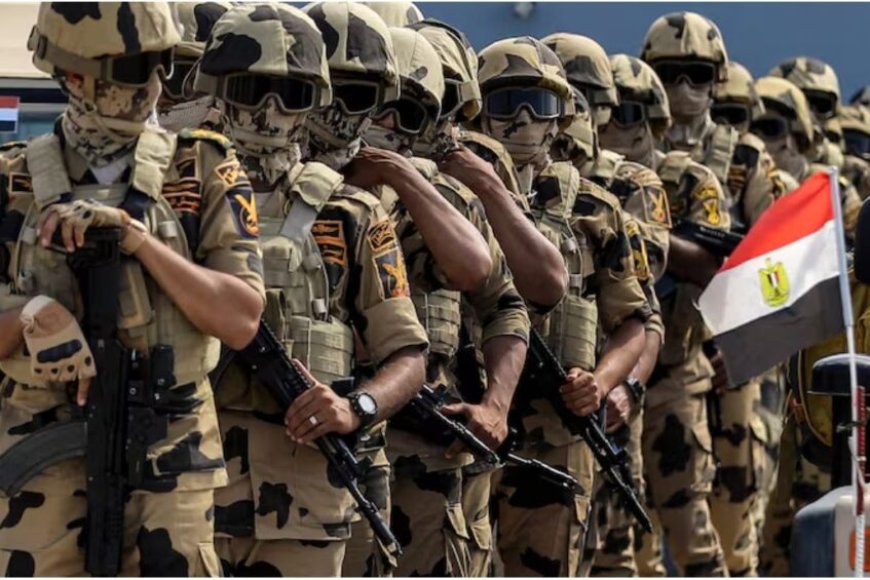
The recent military cooperation agreement between Egypt and Somalia has further complicated this already tense situation. Under the terms of the agreement, Egypt is expected to deploy its military personnel, equipment, and ammunition to Somalia. The two nations have also announced plans to conduct joint military exercises, which would involve their respective ground, naval, and air forces.
This agreement has caused significant alarm in Addis Ababa. Ethiopia views Egypt’s involvement in Somalia as a direct threat to its national security and regional influence. The timing of the agreement is particularly troubling for Ethiopia, as it coincides with the country’s efforts to stabilize the domestic situation following a two-year civil war in the northern region of Tigray. Addis Ababa fears that Egypt’s military presence in Somalia could embolden its enemies and disrupt its efforts to assert control over its borders.
For Egypt, the military cooperation with Somalia is strategic. The country has sought to expand its influence in the Horn of Africa, not only as part of its broader foreign policy but also as a means of countering Ethiopia’s rise. By forging closer ties with Somalia, Egypt aims to strengthen its position in the region and gain leverage over Ethiopia in the ongoing Nile dispute. Furthermore, Somalia's strategic location along the Indian Ocean makes it an important partner for Egypt in terms of securing trade routes and expanding its military footprint.
Ethiopia-Somalia Relations: A Historical Context
The recent developments between Somalia and Egypt have also brought Ethiopia’s complex relationship with Somalia into the spotlight. Relations between the two nations have historically been marked by periods of conflict, rivalry, and cooperation. Ethiopia has long played an influential role in Somali politics, particularly in the context of the ongoing conflict with the Al-Shabaab extremist group.
Since 2007, Ethiopian troops have been stationed in Somalia as part of the African Union Mission in Somalia (AMISOM), a peacekeeping mission aimed at defeating Al-Shabaab and stabilizing the country. Ethiopia’s military presence in Somalia has been crucial in curbing the insurgent group’s activities, but it has also been met with resentment by certain Somali factions. Ethiopia’s relationship with Somalia took a significant turn in recent years when it signed an agreement with Somaliland, a self-declared independent region in northern Somalia that is not internationally recognized as an independent state. Somaliland, which broke away from Somalia in the early 1990s following the collapse of the central government, has sought international recognition for decades, but no country or international organization, including the African Union and United Nations, has granted it such status.
The agreement between Ethiopia and Somaliland, which allows Ethiopia access to the Indian Ocean via the Berbera port, was seen by Somalia’s central government in Mogadishu as a provocative move. Mogadishu views Somaliland as an integral part of Somalia, and any deals made with the breakaway region are seen as undermining Somali sovereignty. As a result, tensions between Ethiopia and Somalia have escalated, with Somalia warning that it could expel Ethiopian troops from the AMISOM mission if Addis Ababa does not respect its territorial integrity.
The Risks of Military Escalation
As Egypt moves closer to deploying troops to Somalia, questions have arisen about how the two nations—Egypt and Ethiopia—might interact in a situation where their militaries are stationed in the same country. There is concern that Egyptian forces could end up cooperating or clashing with Ethiopian troops, potentially escalating tensions between the two countries and destabilizing the region further.
The recent statements by Ethiopia’s Ministry of Foreign Affairs underscore the seriousness of the situation. The Ministry issued a statement condemning the military cooperation between Egypt and Somalia, warning that Ethiopia would not remain silent while other nations take steps to destabilize regional security. Ethiopia sees the agreement as a deliberate effort by Egypt to encircle and weaken it, further complicating the already tense relationship between the two nations.
Adding to the complexity is Turkey’s involvement in the region. Turkey has positioned itself as a mediator in the Horn of Africa, particularly between Somalia and Ethiopia. Despite recent failed negotiations, Turkey remains hopeful that it can broker peace between the two nations. Ankara’s interest in the region stems from its growing influence in East Africa, where it has established strong economic and military ties.
The Way Forward
Looking ahead, the situation remains highly volatile. Somalia, caught between two powerful regional actors, must navigate a delicate balancing act. Somali President Sheikh Hassan Mohamud has expressed his willingness to engage with Ethiopia, but he has also emphasized that any cooperation must be based on mutual respect for sovereignty and adherence to international law. This statement reflects Somalia’s desire to maintain its independence while avoiding being drawn into the regional power struggle between Egypt and Ethiopia.
For Ethiopia, the path forward lies in diplomacy. While the GERD dispute remains unresolved, it is clear that Ethiopia must continue to engage with Egypt in negotiations, even as tensions rise. Military confrontation would have devastating consequences for the entire region, and both nations would be better served by finding common ground through dialogue and compromise.
The coming months will be critical in determining whether the region can avoid further escalation. For now, the Horn of Africa stands at a crossroads, with the potential for both cooperation and conflict hanging in the balance.