 English
 Kinyarwanda






Sudan Declares Cholera Outbreak Amid raising Humanitarian Crisis
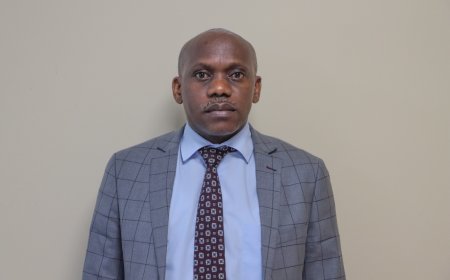
Khartoum, Sudan – In a stark escalation of the public health extremity in Sudan, Health Minister Haitham Mohamed Ibrahim officially declared a cholera outbreak on Saturday.
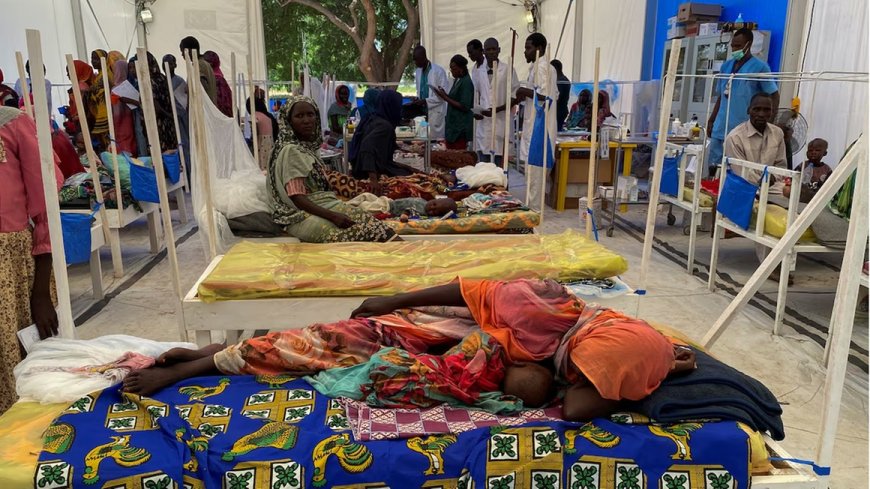
This critical advertisement follows a series of grim laboratory tests conducted by the Public Health Laboratory, which verified that cases of watery diarrhea affecting multitudinous individualities are indeed due to cholera.
This outbreak comes in the wake of a disquieting report from the World Health Organization( WHO), which has revealed that cholera has claimed the lives of roughly 316 people in Sudan.
The WHO's prophet, Margaret Harris, reported on Friday that there have been 11,327 cases of cholera across the country, with the death risk presently at 316. Harris also stressed a concerning rise in other epidemic conditions similar as dengue fever and meningitis.
She noted that the true number of cholera cases could be significantly advanced than the reported numbers, emphasizing the inflexibility of the extremity. The Impact of Ongoing Conflict The cholera outbreak is being against a background of severe conflict and insecurity in Sudan. Sincemid-April 2023, the country has been bogged in a violent conflict between the Sudanese Armed Forces( SAF) and the civil Rapid Support Forces( RSF).
This prolonged and violent conflict has led to wide desolation and has oppressively strained Sudan's healthcare and public health systems. The conflict has not only redounded in a woeful loss of life but has also contributed to the proliferation of epidemic conditions.
As the war between SAF and RSF continues, conditions have deteriorated, leading to the spread of cholera, malaria, measles, and dengue fever. The health structure, formerly weakened by times of neglect and underfunding, has been further compromised, making it decreasingly delicate to manage and contain these outbreaks.
Cholera and Public Health Counteraccusations Cholera, a severe and frequently fatal diarrheal complaint caused by the bacterium Vibrio cholerae, poses a significant public health trouble. It spreads primarily through defiled water and food, and in surroundings where sanitation and clean water access are compromised, its impact can be ruinous.
The rapid-fire onset of symptoms, including severe diarrhea and dehumidification, can lead to death if not treated instantly. In Sudan, the cholera outbreak is aggravated by the wide dislocation of services and structure due to the ongoing conflict. numerous areas affected by the complaint lack access to clean drinking water, proper sanitation installations, and effective healthcare services.
This situation creates a rich ground for the rapid-fire spread of cholera and other contagious conditions. The health sector's struggles to manage with these outbreaks punctuate the need for critical investment and support. The Humanitarian Crisis The philanthropic situation in Sudan is dire.
The conflict between SAF and RSF has led to a stunning loss of life, with estimates suggesting that at least 16,650 people have failed as a result of the violence. The fighting has also caused massive relegation, with roughly 10.7 million people now internally displaced within Sudan. also, around 2.2 million Sudanese have sought retreat in neighboring countries, further straining coffers and creating a indigenous extremity.
The relegation has led to overcrowded conditions in temporary harbors and camps, which, combined with limited access to healthcare and sanitation, farther exacerbates the threat of complaint outbreaks. The scale of relegation and the associated philanthropic requirements are inviting, with millions of people in critical need of food, clean water, medical care, and other essential services. International Response and Assistance
The transnational community has been laboriously engaged in responding to the extremity in Sudan, though the scale of the requirements presents significant challenges. philanthropic associations and agencies are working to give exigency relief, including distributing clean water, furnishing medical care, and supporting sweats to control the cholera outbreak. still, access to affected areas can be challenging due to ongoing conflict and security enterprises.
The WHO and other transnational bodies are fastening on sweats to check the spread of cholera through colorful measures, including perfecting water and sanitation installations, furnishing oral cholera vaccines, and supporting original health services.
Despite these sweats, the ongoing conflict and logistical difficulties continue to stymie the delivery of aid and the perpetration of effective public health interventions. cooperative sweats from global health agencies and original associations are pivotal in addressing these multifaceted challenges.
Long- Term Considerations Addressing the cholera outbreak and broader health extremity in Sudan requires a multifaceted approach. In the short term, immediate sweats must concentrate on controlling the current outbreak, furnishing medical treatment, and icing access to clean water and sanitation. Long- term results must also address the underpinning issues contributing to the extremity, including the need for a sustainable peace process, bettered healthcare structure, and robust support for displaced populations.
The transnational community's part is pivotal in supporting both immediate relief sweats and long- term recovery and development enterprise. This includes not only furnishing philanthropic aid but also championing for and supporting politic sweats aimed at resolving the conflict and addressing the root causes of insecurity in Sudan.
A coordinated transnational response, combined with original adaptability, is essential to prostrating the current extremity and fostering long- term stability. The cholera outbreak in Sudan is a stark memorial of the ruinous impact of conflict on public health and the critical need for comprehensive philanthropic and politic responses.
As the country grapples with this severe health extremity amid ongoing violence and relegation, the transnational community must continue to give critical support and work towards a resolution of the conflict to palliate the suffering of the Sudanese people. The situation in Sudan is a call to action for all involved, pressing the significance of coordinated global sweats to address both the immediate and long- term challenges facing the country.
By fastening on both immediate philanthropic requirements and the broader political and social issues, there's stopgap for a resolution that will bring stability and ameliorate the lives of millions affected by this ongoing extremity. In the face of similar adversity, global solidarity and visionary measures will be vital in helping Sudan recover and rebuild.
The extremity in Sudan highlights the significance of both original and global solidarity in addressing complex extremities. Locally, Sudanese communities and health workers are on the frontal lines, facing immense challenges as they strive to give care and support amid the chaos. Their adaptability and fidelity are pivotal in the fight against cholera and other conditions.
Encyclopedically, the extremity underscores the need for sustained and compassionate transnational engagement. Countries and associations around the world must continue to give fiscal and logistical support while championing for a peaceful resolution to the conflict. Only through a unified and sustained trouble can the transnational community hope to palliate the suffering and pave the way for recovery and rebuilding in Sudan.