 English
 Kinyarwanda









"Developing Nations Walk Out of COP29 Over Inadequate Climate Support"
At the 29th United Nations Climate Change Conference (COP29) in Baku, Azerbaijan, held on November 23, 2024, a significant diplomatic action unfolded as representatives from African countries and island nations severely impacted by the growing crisis of climate change walked out of the event.
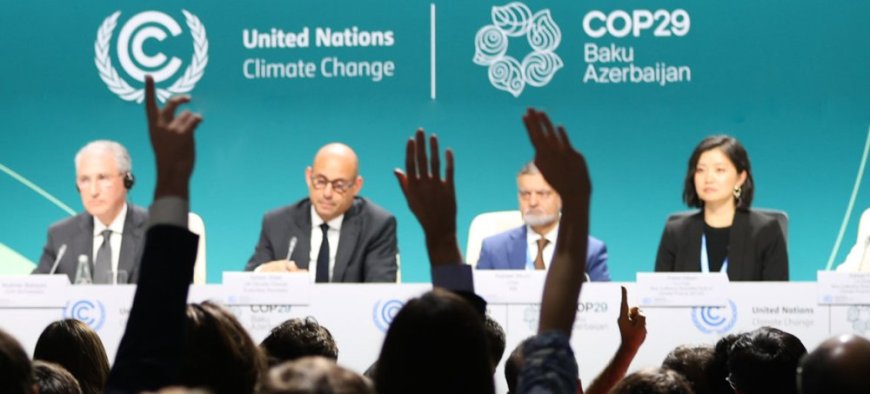
The walkout was a strong protest in response to the failure of the conference to address their urgent demands for adequate financial support to tackle the devastating effects of climate change, which includes increasingly severe droughts, rising sea levels, and extreme weather events. Countries like Mozambique and island nations, such as Samoa, which are on the front lines of climate change, expressed their frustration at the lack of concrete commitments and meaningful discussions about the support they need.
Since November 11, 2024, over 200 nations have gathered in Baku to discuss strategies to combat climate change, a global crisis that continues to have disproportionately negative effects on developing nations and vulnerable island nations. One of the key issues discussed at COP29 was the allocation of financial resources to help countries most affected by climate change adapt and mitigate its impacts. At the heart of the discussions was the issue of climate financing, with nations seeking the necessary funding to implement strategies to limit the rising temperatures, reduce emissions, and cope with the ongoing environmental disasters caused by climate change.
The need for financial support has been a long-standing demand of developing countries, especially in Africa and small island developing states (SIDS). Despite many years of negotiations and promises made at earlier COP meetings, little tangible progress has been made in delivering on the financial commitments pledged by developed nations. These nations have been slow in fulfilling the promises made in previous climate agreements, including the 2009 Copenhagen Accord, where developed nations committed to providing $100 billion annually by 2020 to help developing countries address climate change. However, this target has been repeatedly missed, and many of the most affected countries are now expressing their growing frustration.
At the outset of COP29, delegates from developing countries made clear their frustration with the slow pace of action on the climate crisis and the insufficient financial support being provided to them. Azerbaijan, the host country of COP29, proposed a target of $250 billion in funding over the next decade to help developing countries address the impacts of climate change and implement necessary mitigation and adaptation strategies. While this figure was seen by some as a step in the right direction, it was quickly deemed insufficient by the most vulnerable countries.
In particular, island nations such as Samoa and Mozambique have been vocal about their need for more substantial financial commitments from developed countries. These countries are already experiencing the devastating effects of climate change, from rising sea levels that threaten entire communities in coastal areas to prolonged droughts that endanger food and water security. Mozambique, for example, has been experiencing an increase in the frequency and severity of natural disasters, including cyclones, which have caused widespread destruction and displacement.
When the $250 billion proposal was put forward by Azerbaijan, it was quickly rejected by many of the countries most affected by climate change. These nations made it clear that this amount was far too small to address the magnitude of the challenges they face. They continued to call for the fulfillment of previous financial commitments and for the international community to provide consistent and predictable funding to help them meet the needs of their populations. They pointed out that the financial gap between the promises made and the reality on the ground is widening, and without immediate action, the consequences for the most vulnerable populations will be catastrophic.
In response to the dissatisfaction expressed by developing countries, a number of wealthy nations, including the United States, the European Union (EU), and other developed nations, agreed to increase their financial contributions. The United States and the EU, among others, pledged to provide $390 billion annually through 2035 to support climate change mitigation and adaptation in developing countries. While this commitment represented a significant increase compared to previous offers, it was still far below the $1.3 trillion per year that vulnerable nations had called for. For many of the countries affected by climate change, this offer was seen as inadequate to address their urgent needs.
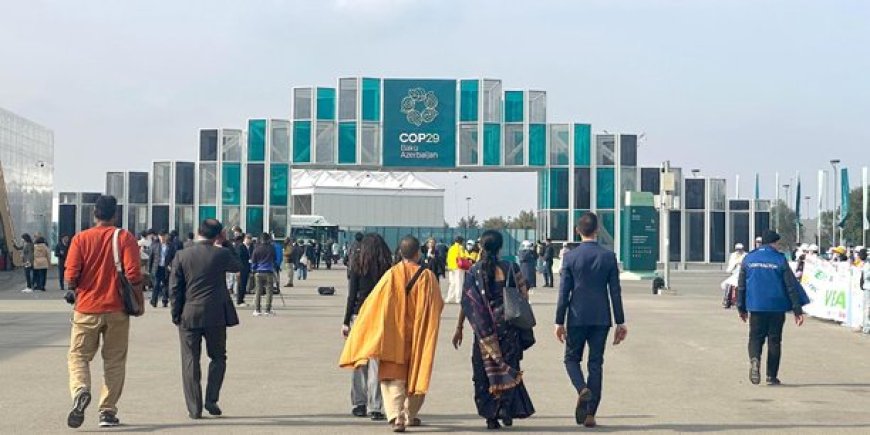
The decision to walk out of COP29 by some of the most affected countries was a clear signal of their growing frustration and disillusionment with the ongoing negotiations. Samoa’s Minister of Environment and Climate Change, Toeolesulusulu Cedric Schuster, was one of the key representatives who left the conference in protest. Schuster explained that the lack of meaningful engagement and the failure to address their concerns in a concrete way was the main reason for the walkout. He said, "We walked out. We came to COP29 to have a fair and meaningful discussion, but we feel unheard. We came here to talk, but we have walked out." His statement echoed the sentiments of many of the other delegates from vulnerable nations who felt that their voices were not being given the attention and respect they deserve in the global climate conversation.
The walkout by these nations was not just a protest against the failure of the international community to meet their financial demands. Climate change is a global problem, and it requires a global response that takes into account the needs and vulnerabilities of the most affected nations. The lack of sufficient financial support has been one of the key obstacles to meaningful progress on climate change, and the walkout was a reminder that the consequences of inaction are dire for the countries that are already feeling the effects of the crisis.
Greta Thunberg, the well-known climate change activist, also commented on the outcome of COP29, noting that the lack of real progress and the continued failure to address the demands of the most affected countries was nothing new. She emphasized that without meaningful action and the fulfillment of financial promises, COP29 would end up being just another missed opportunity, much like the conferences that preceded it. Thunberg’s statement underscored the growing frustration among young people and climate activists who have long called for more ambitious action to address the climate crisis.
The walkout at COP29 serves as a stark reminder that climate change is not a future problem but a present crisis, and it is the poorest and most vulnerable nations that are bearing the brunt of its impacts. These countries are demanding that the international community take immediate and meaningful action to address the financial needs of those on the front lines of the climate crisis. The failure to meet these demands will not only exacerbate the existing challenges but also undermine the credibility of international climate negotiations.
As the conference continues, it remains to be seen whether the international community will take the necessary steps to fulfill its commitments and provide the financial support needed to help developing countries address the challenges of climate change. What is clear, however, is that the pressure on global leaders to act is mounting, and the voices of the countries most affected by climate change will continue to demand justice and accountability in the fight against this global crisis.
Related Posts


-
 Joshua WilsonHi, "Transfusion" might be an accidental typo; thought you'd want to know. spellalerts.com usually helps verify quickly. Cheers, Joshua