 English
 Kinyarwanda








Closing Roads During the Cycling Championship Reduced Air Pollution in Kigali by 45%
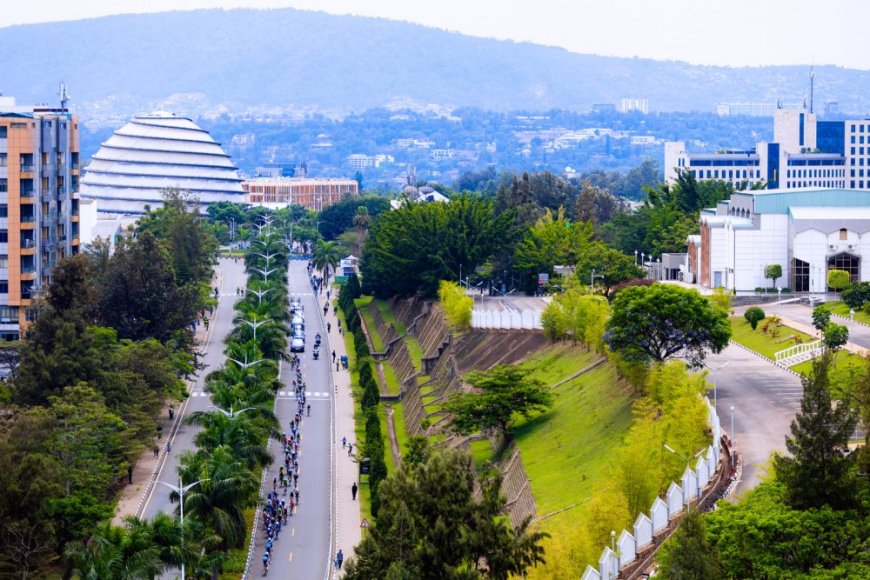
The Rwanda Environment Management Authority (REMA) has announced that air pollution levels in Kigali dropped by 45% on the roads that were closed during the UCI Road World Championships.
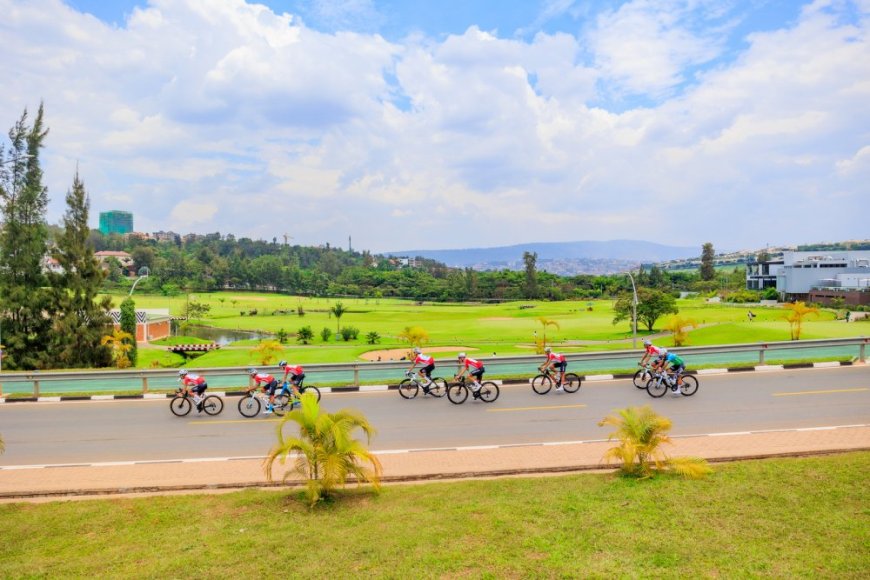
The findings are based on data collected before and during the eight-day international cycling event held in Rwanda. To monitor air quality, REMA installed 10 stations in different parts of Kigali to compare pollution levels on closed and open roads. These were located in Gacuriro, Rusororo, Mont Kigali, Gikondo, Nyarutarama, Kibagabaga, Kimironko, Nyabugogo, and Kimihurura.
The study revealed that temporarily closing major roads significantly contributed to cleaner air in the city. Measurements focused on PM2.5 (particulate matter with a diameter of 2.5 micrometers). These tiny particles—30 times smaller than the thickness of a human hair—cannot be seen with the naked eye. When inhaled, they enter the lungs immediately and can even reach the bloodstream.
Such pollutants mostly come from vehicles using petrol and diesel, charcoal burning, petroleum-based products, factory emissions, and other sources. They are known to cause serious health problems such as coughing, chest pain, breathing difficulties, and in the long term, lung cancer, heart disease, stroke, and complications for unborn children.
Alternative routes used during the championship—roads that normally experience lighter traffic—saw a pollution reduction of 30–35%. However, roads not affected by the event showed no significant changes.
During the competition week, monitoring stations reported much cleaner air compared to regular conditions. On closed roads, air pollution levels averaged 30 µg/m³, compared to nearly 50 µg/m³ under normal circumstances. (µg/m³ means micrograms of pollutants per cubic meter of air; one microgram equals one-millionth of a gram.)
In practical terms, during the championship, the concentration of pollutants was about 30 micrograms per cubic meter of air—much lower than usual.
REMA’s Director General, Juliet Kabera, emphasized that the results clearly show how reducing traffic emissions contributes to better air quality, which is essential for public health.
According to the World Health Organization (WHO), annual average concentrations of PM2.5 should not exceed 10 µg/m³, and the 24-hour average should not go beyond 25 µg/m³.
Since motor vehicles are the leading source of air pollution in Rwanda, the government has started measuring emissions from cars and motorcycles more strictly. These tests are conducted during regular technical inspections by the police, but REMA also carries out independent checks.
Drivers are required to request these inspections through Irembo, the online public services platform. After inspection, vehicle owners now receive two certificates—one for the technical condition of the vehicle and another for its emission levels.