 English
 Kinyarwanda










Rwanda's Ambitious Plans to Harness Nuclear Energy as a Model for Africa's Future Development
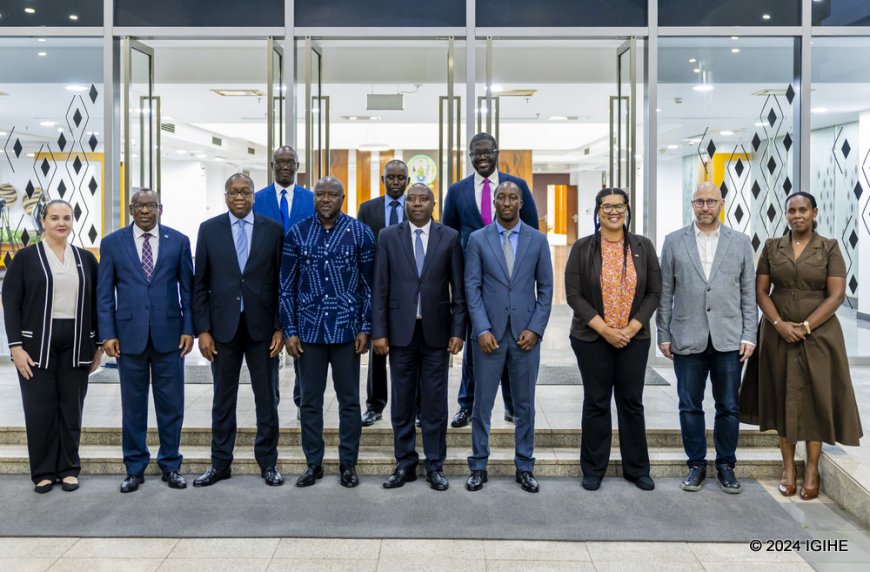
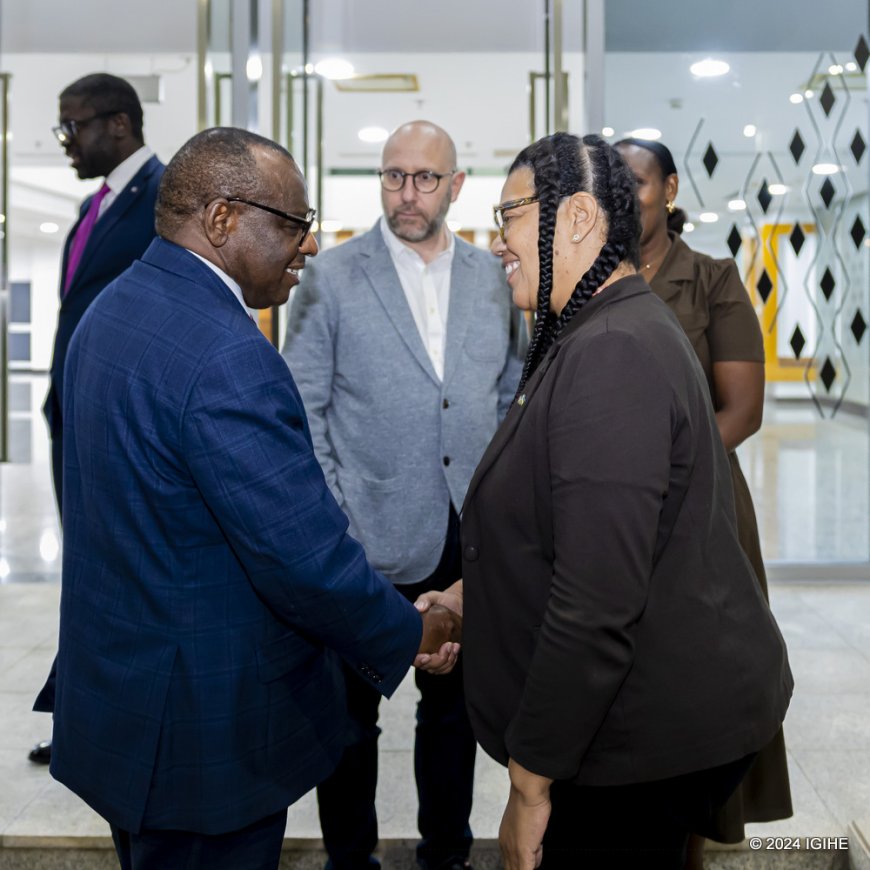
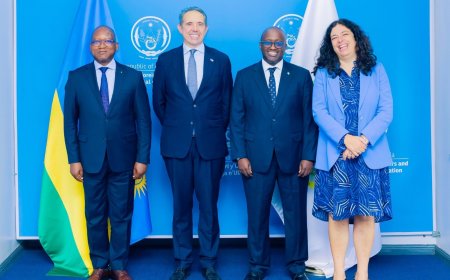
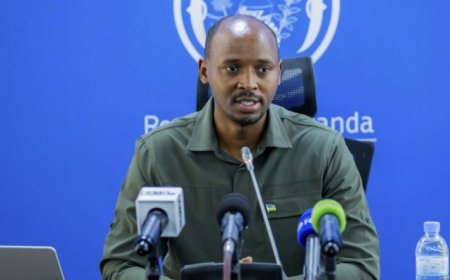
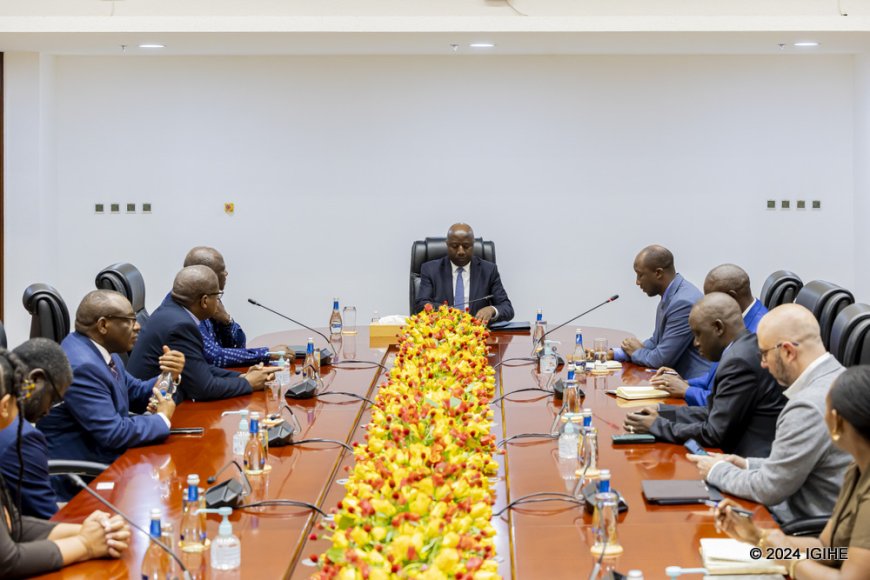
Prime Minister Dr. Edouard Ngirente held discussions with a group of nuclear energy experts led by Dr. Lassina Zerbo. They focused on the ongoing efforts to harness nuclear energy in Rwanda and how it can serve as a model for other African countries.
Rwanda is one of the few rapidly growing economies, with industrial development, including major factories, already established in the country’s highland areas. This progress demands a reliable and strong energy supply to enable industries to function smoothly and sustain desired growth.
Dr. Lassina Zerbo, Chairman of the Board of the Rwanda Atomic Energy Board (RAEB) and an advisor on energy matters, emphasized that Rwanda and Africa as a whole need energy to accelerate economic development and improve living standards.
Dr. Zerbo further stressed that without electricity, there can be no industries, and development will stagnate. He noted, "The businesses investing in Rwanda today need electricity." No electricity means no industries. Since all energy in Rwanda currently comes from electricity, there is not enough capacity to supply industries. We know that many years ago, a company tried to set up a glass factory here because Rwanda has the raw materials, but there was no energy to run it.”
Minister of Infrastructure, Dr. Gasore Jimmy, mentioned that during the two-day talks, they discussed possible investments that could lead to the utilization of nuclear energy in African countries. He mentioned, "We talked about the obstacles that hinder financial institutions from backing nuclear energy projects and how Africans can overcome these challenges, particularly since nuclear energy is clean and environmentally friendly."
He further added, “Given the changing climate, [nuclear energy] will be of great help because in the next 25 years, we will need ten times more power than we currently have, and we know that our rivers are not enough to meet this demand. We realize that nuclear energy will be one of the solutions to ensure energy self-sufficiency in the future.”
Dr. Gasore emphasized that Rwanda aims to have nuclear energy plants within the next ten years, but this will depend on technological advancements. “For instance, we see that small and medium-sized nuclear reactors are suitable for our country. Some have already reached the commercial market, while others are still in research, so we cannot guarantee they will be available soon, but the goal is to have them in 10 years.”
Nuclear power plants currently operate in 32 countries, providing over 10% of the world’s electricity. For example, South Africa generates 8.154 gigawatt-hours (GWh) of nuclear power, South Korea produces 171.640 GWh, and the United States generates 779.186 GWh. These nuclear energy contributions have played a significant role in the rapid development of these countries.