 English
 Kinyarwanda















Rwanda Unveils Helmet Testing Facility as Part of the ‘Tuwurinde’ Initiative
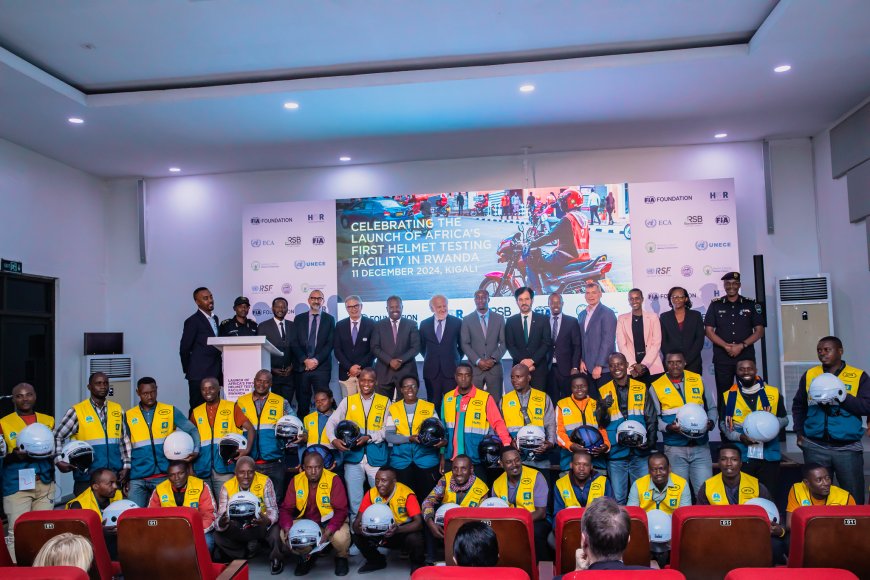
Rwanda has officially inaugurated a Helmet Testing Laboratory as part of the 'Tuwurinde' initiative, a collaboration between the Rwandan government, the FIA Foundation, Healthy People Rwanda, the UN Road Safety Fund (UNRSF) and the International Automobile Federation (FIA)."
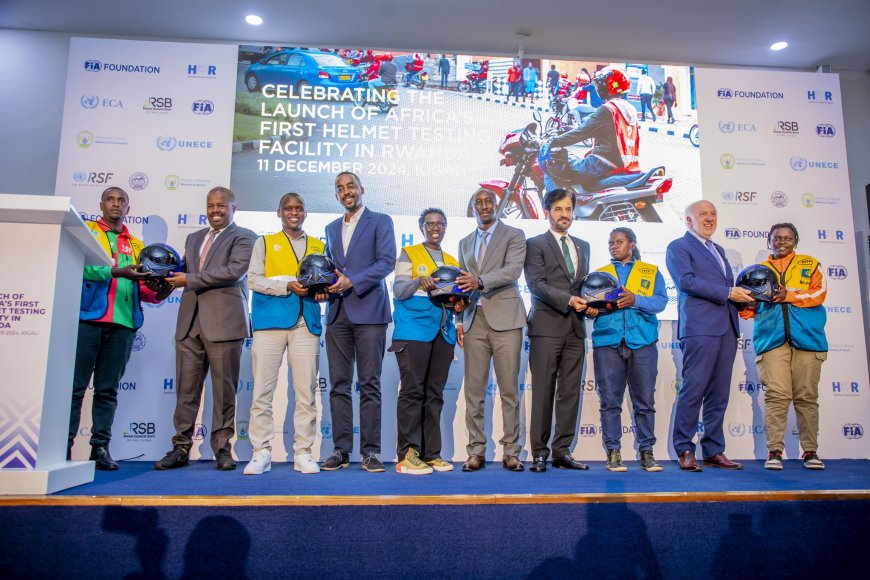
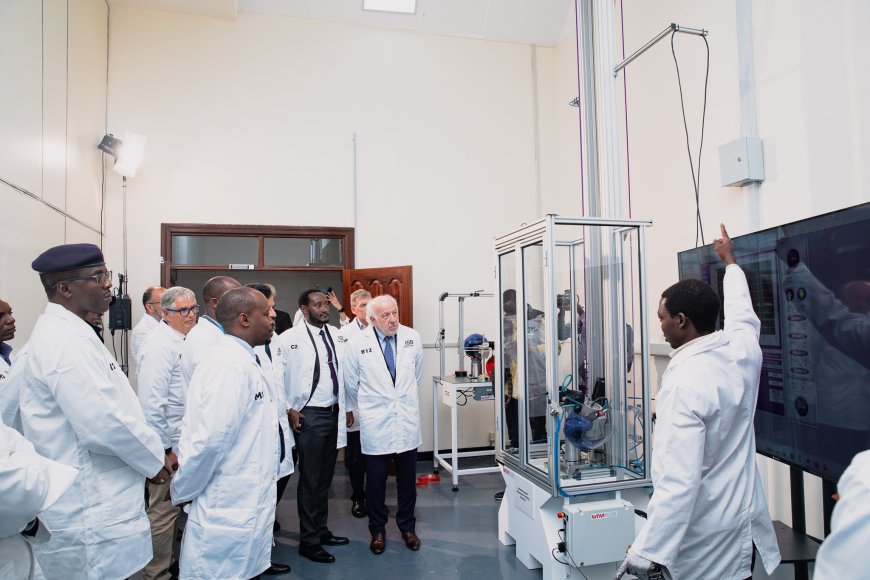
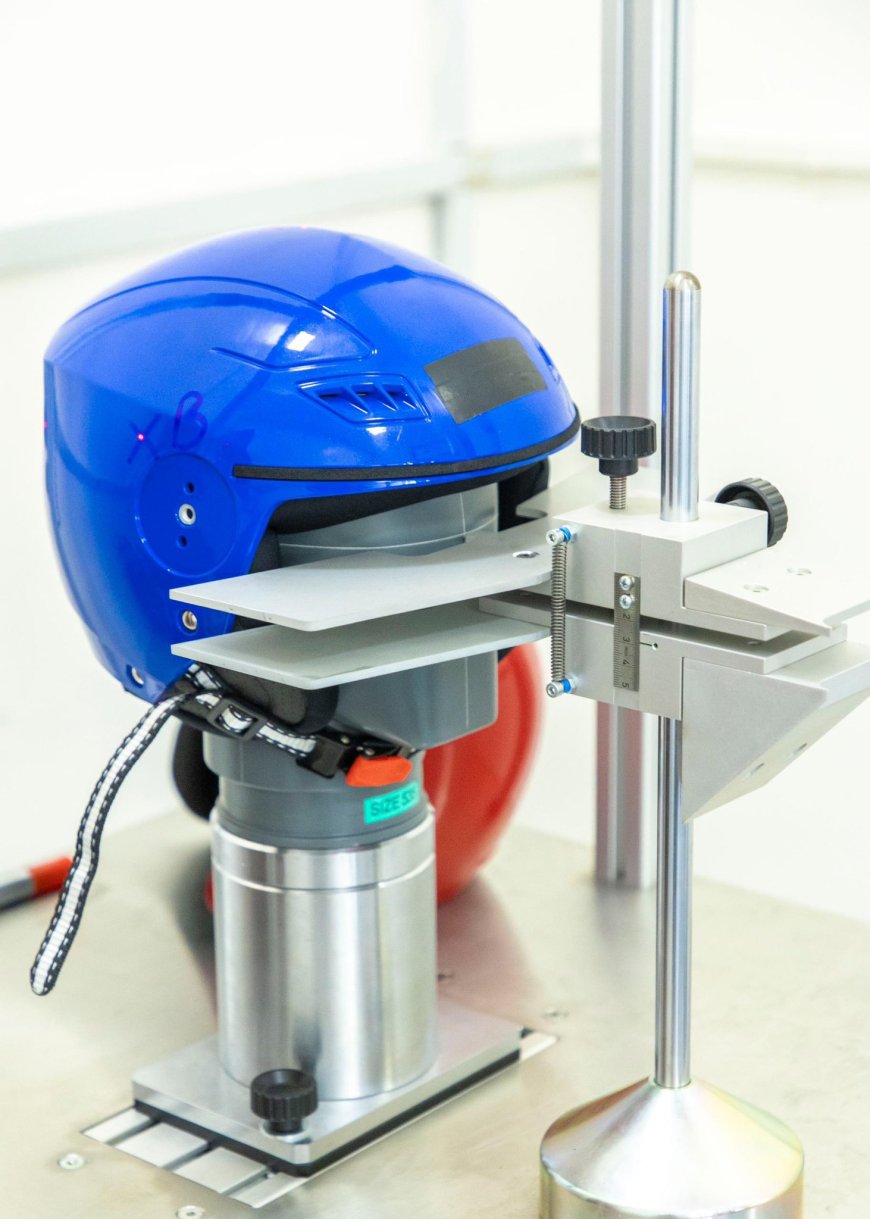
This new facility aims to ensure that helmets used by motorcycle and moped riders comply with national safety regulations. Located at the Rwanda Standards Board (RSB), the laboratory will carry out assessments of helmets in accordance with the RS 576: 2024 standards for protective helmets, a significant step toward enhancing road safety in Rwanda.
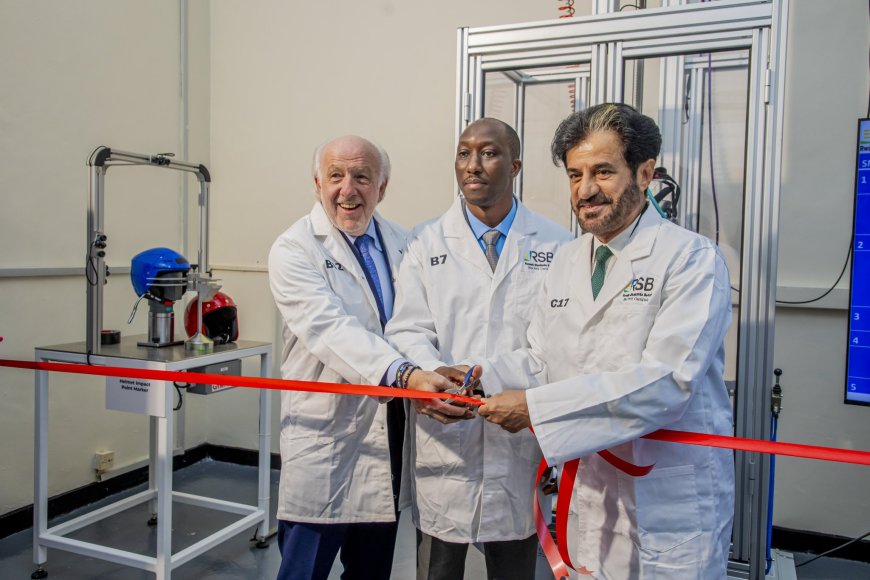
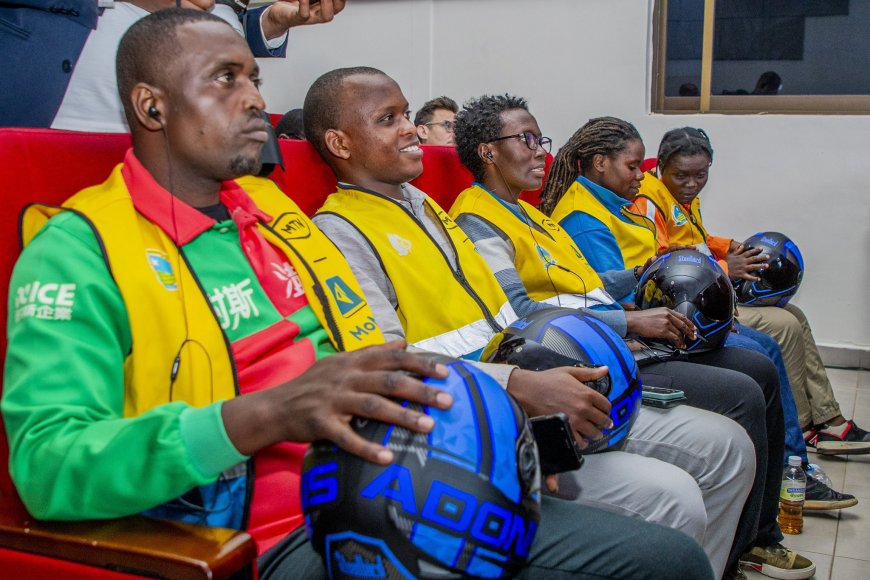
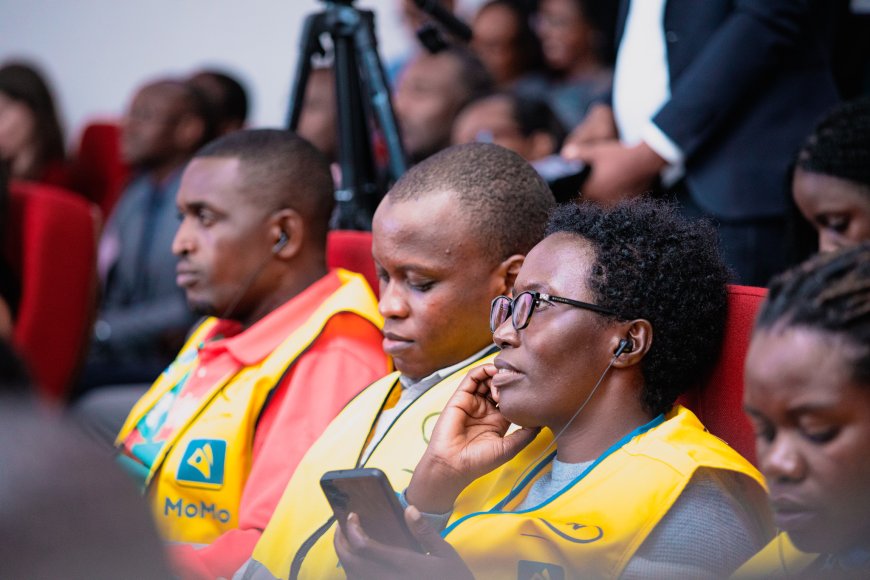
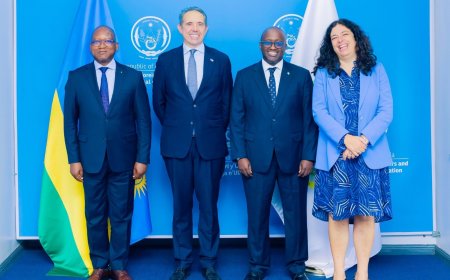
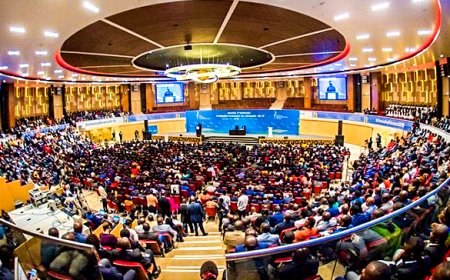
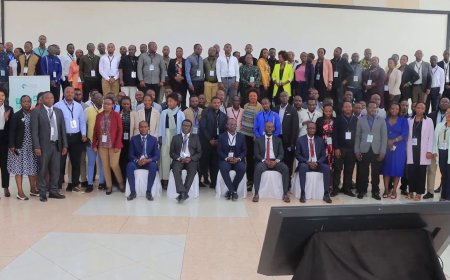
The launch event, attended by more than 200 participants, was led by Dr. Jimmy Gasore, Rwanda’s Minister of Infrastructure, FIA President Mohammed Ben Sulayem, and FIA Foundation Chairman David Richards. The event included a tour of RSB’s testing facility, live demonstrations on the proper use of helmets, and discussions highlighting the importance of safety standards in the transport sector.
In his address, Dr. Gasore emphasized: "This facility further solidifies our commitment to road safety by ensuring that helmets meet the highest quality standards. This is a key move in safeguarding lives and reducing traffic-related accidents. Through our partnership with the FIA and the FIA Foundation, we are enhancing safety measures and reinforcing Rwanda’s role as a leader in fostering sustainable and responsible mobility."
David Richards, Chairman of the FIA Foundation, expressed his pride in the initiative, saying: "The launch of Africa’s first helmet testing facility is a major milestone in tackling the growing number of motorcycle-related fatalities and injuries. The FIA Foundation is pleased to have supported the Tuwurinde Project in partnership with local NGOs, government agencies, and international organizations. Rwanda’s efforts to establish helmet standards and assess their quality demonstrate the country's dedication to implementing best practices. This initiative offers a model for other nations in the region and worldwide dealing with the challenges of rising motorcycle usage."
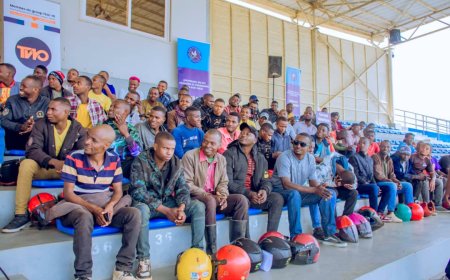
As part of the activities surrounding the 2024 FIA Annual General Assemblies in Kigali, the FIA announced plans to donate 5,000 certified helmets across Rwanda, along with an educational campaign aimed at teaching more than 10,000 riders about helmet safety.
FIA President, Mohammed Ben Sulayem, remarked: "Safety is the core value of the FIA, and I am honored to support this donation. As a federation, we are committed to driving innovation in safety, and it’s essential that we continue working with communities globally to improve road safety outcomes."
Rwanda National Police Spokesperson, ACP Boniface Rutikanga, expressed strong backing for the initiative: "Ensuring road safety is a key priority for us, and initiatives like 'Safe Helmet' play a vital role in protecting lives. We are dedicated to collaborating with the RSB and FIA Foundation to ensure that all motorcycle taxi operators in Rwanda have access to certified helmets, thus contributing to safer roads for all."
Emmanuel Munyurangabo, a representative of the Association of Taxi-Motos, also voiced support: "Our members are at the forefront of road transport, and providing access to quality helmets is not only vital for their safety but also for fostering public trust in moto-taxis. We fully support this initiative and will advocate for its widespread adoption."
This helmet testing facility and the donation of helmets come after Rwanda introduced its first national motorcycle helmet standard in 2024. Head injuries are the leading cause of death among motorcycle riders, who account for about a third of the country's road fatalities. According to the World Health Organization, wearing high-quality helmets can reduce the risk of death by over six times and cut brain injuries by up to 74%.