 English
 Kinyarwanda















Ambassador Gatete Urges SADC to Address Food Shortage Issues
Ambassador Claver Gatete, the Executive Secretary of the United Nations Economic Commission for Africa (UNECA), has made a compelling appeal for the Southern African Development Community (SADC) to urgently address the critical issue of food shortages across the continent. His call to action was delivered on August 17, 2024, at the 44th extraordinary summit of SADC heads of state and government, being held in Harare, Zimbabwe. This summit represents a crucial opportunity for the region to tackle pressing challenges and explore strategies for sustainable development.
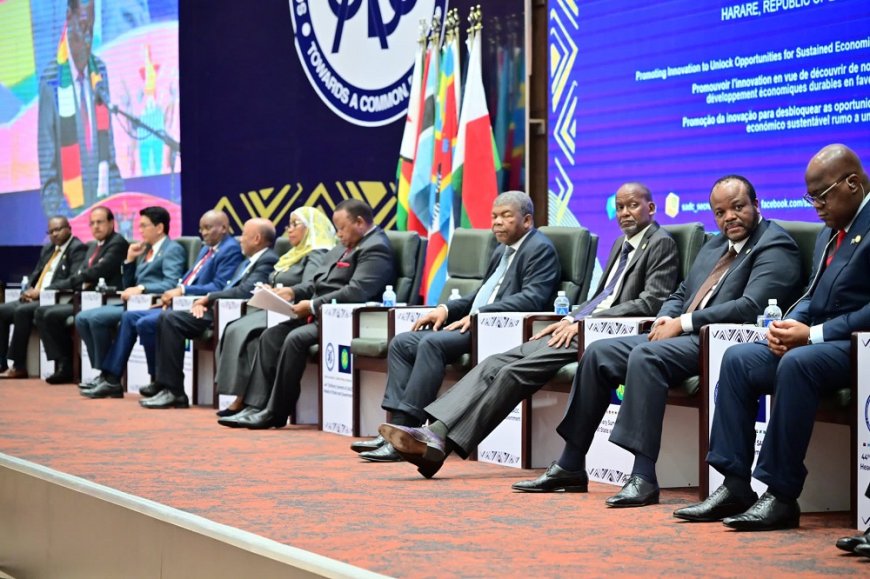
The SADC summit has convened an impressive array of leaders from across the region, with over ten heads of state in attendance. Among them are President Emmerson Mnangagwa of Zimbabwe, President Samia Suluhu of Tanzania, President Félix Tshisekedi of the Democratic Republic of Congo, President Andry Rajoelina of Madagascar, King Mswati III of Eswatini, and President João Lourenço of Angola. Their presence underscores the gravity of the issues at hand and the collective commitment to finding viable solutions.
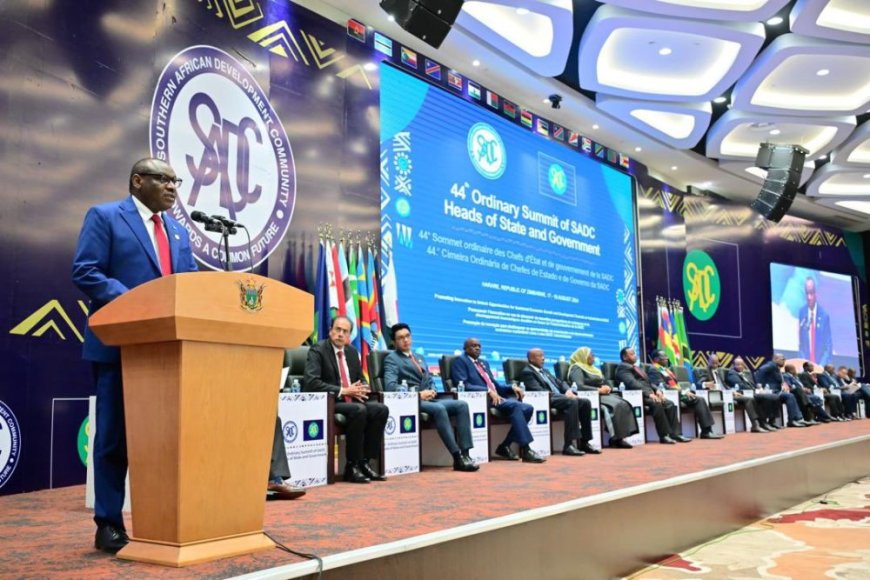
Ambassador Gatete’s message highlighted the alarming fact that Africa continues to spend approximately $120 billion annually on food imports. This expenditure reflects a significant economic burden and highlights a critical gap in the continent's food security. Despite Africa’s vast agricultural potential and resources, the reliance on imported food has persisted, which raises questions about the efficiency and effectiveness of existing agricultural policies and strategies.
In his address, Ambassador Gatete emphasized that Africa should not be in a position where it must spend such a staggering amount on food imports. He argued that the continent has the potential and resources to achieve self-sufficiency in food production. The idea of self-sufficiency is not merely a theoretical concept but a practical goal that can be achieved with the right strategies, investments, and collaborations.
He proposed that SADC should take a leadership role in addressing this issue by establishing a common agricultural space within the region. This initiative would involve creating a unified agricultural policy and framework that facilitates collaboration among member states, enhances agricultural productivity, and promotes regional food security. By developing a common agricultural space, SADC could effectively become a major food hub for Africa, reducing dependency on external food sources and fostering economic growth through enhanced agricultural output.
The concept of a common agricultural space is built on the idea that regional integration and cooperation can lead to more effective solutions than isolated national efforts. Such a framework would allow for the pooling of resources, knowledge, and technology, as well as the standardization of practices and policies. It would also create opportunities for economies of scale, making agricultural activities more efficient and cost-effective.
One of the key benefits of this approach is that it would enable SADC member states to share best practices and technological innovations in agriculture. For instance, countries with advanced agricultural technologies could provide support and expertise to those with less developed systems. Additionally, member states could collaborate on research and development initiatives aimed at improving crop yields, pest control, and soil management.
Moreover, establishing a common agricultural space could help address issues related to trade barriers and market access. Currently, many African countries face challenges in accessing regional and international markets due to various trade restrictions and logistical difficulties. By creating a unified agricultural framework, SADC could work towards reducing these barriers and facilitating smoother trade within the region and beyond.
The establishment of a common agricultural space would also require investments in infrastructure, such as irrigation systems, storage facilities, and transportation networks. These investments are crucial for enhancing agricultural productivity and ensuring that food produced within the region can be effectively transported and stored. Public-private partnerships could play a significant role in funding and implementing these infrastructure projects, leveraging both government resources and private sector expertise.
In addition to addressing food security, a common agricultural space could contribute to broader socio-economic development goals. For example, improved agricultural productivity could lead to increased employment opportunities in rural areas, helping to alleviate poverty and improve living standards. It could also foster rural entrepreneurship by creating opportunities for small and medium-sized enterprises in the agriculture sector.
The SADC summit, which will conclude on August 18, 2024, follows a series of meetings involving ministers from the organization, who have been discussing various development agendas and strategies. These meetings have focused on a range of issues, including health, education, infrastructure, and economic development. The summit represents a critical juncture for SADC to consolidate its efforts and develop a cohesive strategy for addressing the continent’s food security challenges.
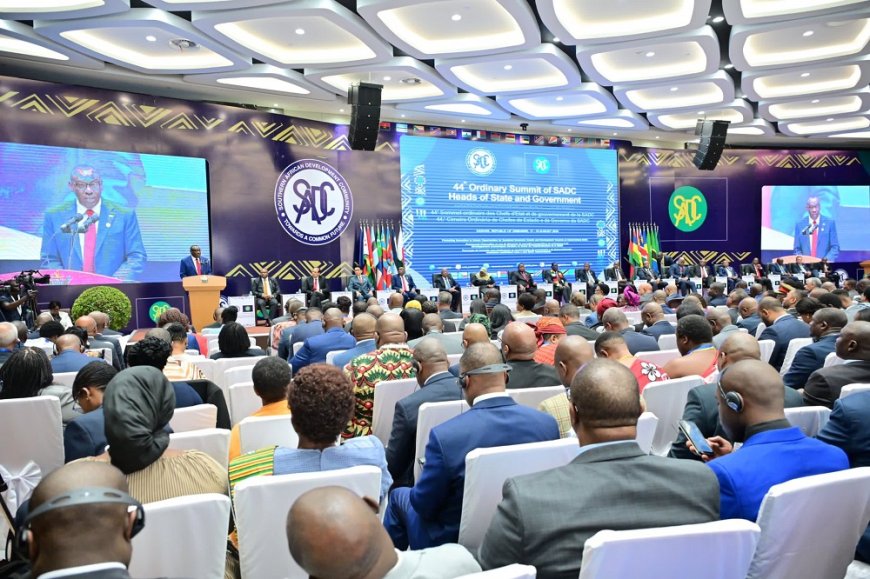
Ambassador Gatete’s call for action is timely and underscores the need for a coordinated regional approach to addressing food shortages. It is a reminder that while Africa has significant potential to achieve food self-sufficiency, realizing this potential requires collaborative efforts, strategic planning, and sustained investment. The establishment of a common agricultural space within SADC could serve as a model for other regions and contribute to a more resilient and self-sufficient Africa.
As the summit progresses, the discussions and decisions made by the heads of state and government will be critical in shaping the future of agriculture and food security in the region. The commitment and leadership of SADC member states will play a pivotal role in determining whether the proposed solutions are implemented effectively and whether the region can achieve its goal of reducing reliance on food imports.
In summary, Ambassador Gatete’s appeal to SADC represents a significant step towards addressing the urgent issue of food shortages in Africa. By advocating for the creation of a common agricultural space, he has highlighted the need for regional cooperation and investment in agricultural development. The outcomes of the SADC summit will be closely watched, as they hold the potential to transform the agricultural landscape of the region and contribute to a more food-secure and prosperous Africa.
In summary, Ambassador Gatete’s appeal to SADC represents a significant step towards addressing the urgent issue of food shortages in Africa. By advocating for the creation of a common agricultural space, he has highlighted the need for regional cooperation and investment in agricultural development. The outcomes of the SADC summit will be closely watched, as they hold the potential to transform the agricultural landscape of the region and contribute to a more food-secure and prosperous Africa.