 English
 Kinyarwanda











ICC Requests Mongolia to Arrest President Putin During Upcoming Visit
The International Criminal Court (ICC) has formally requested that Mongolia arrest President Vladimir Putin during his visit to the country, which is scheduled for September 2, 2024. This request comes amid ongoing international legal and political tensions involving Putin and the Russian government. The ICC’s move reflects the court’s persistent efforts to address and adjudicate international crimes, particularly in the context of the ongoing conflict between Russia and Ukraine.
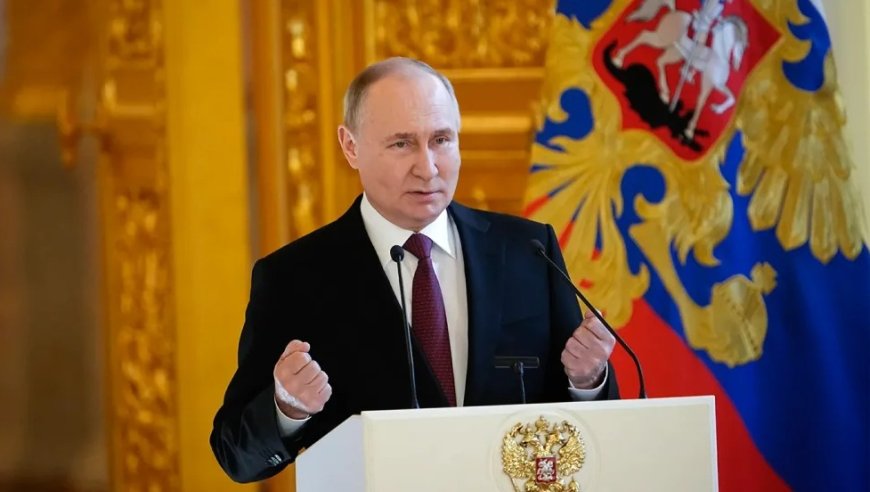
Background on ICC Charges
In March 2023, the ICC issued arrest warrants for President Vladimir Putin, accusing him of serious crimes related to the illegal deportation of children from Ukraine. The court’s charges are centered around allegations that Putin, as the leader of Russia, is responsible for overseeing and directing the unlawful removal of Ukrainian children from territories affected by the ongoing conflict. These actions are considered a violation of international law, particularly the Geneva Conventions, which govern the protection of civilians in conflict zones.
The accusations are rooted in the broader context of Russia's military actions in Ukraine, which began in February 2022 with a large-scale invasion of the Donetsk and Luhansk regions. The ICC's charges assert that the forced displacement of children is a grave breach of human rights and international humanitarian law, further compounding the humanitarian crisis in the region.
Russia's Response and Counteractions
In response to the ICC's arrest warrants, the Russian government has vehemently rejected the charges, labeling them as politically motivated and unfounded. Russian officials argue that the removal of children from conflict zones is part of a humanitarian effort to protect them from the dangers of war, and thus does not constitute a criminal act under international law. The Russian government has also launched countermeasures, including issuing arrest warrants for ICC Chief Prosecutor Karim Khan in May 2023, accusing him of overstepping his mandate.
Russia’s dismissal of the ICC’s charges reflects a broader geopolitical dynamic, wherein major powers often challenge the jurisdiction and authority of international legal institutions when they perceive the legal actions as biased or interfering with their national interests. The ongoing conflict between Russia and Ukraine has been a focal point for such legal and diplomatic disputes.
The Role of Mongolia and ICC Agreements
As President Putin prepares for his visit to Mongolia, where he will participate in commemorations marking the 1939 Khalkhin Gol battle, the ICC's request places Mongolia in a delicate position. Mongolia is a signatory to the Rome Statute, the treaty that established the ICC, and is thus legally obligated to cooperate with the court’s requests. The Rome Statute outlines the obligations of member states to arrest individuals indicted by the ICC and to cooperate in investigations and prosecutions.
ICC spokesperson Fadi el-Abdallah has highlighted Mongolia's obligations under the Rome Statute, emphasizing the importance of international cooperation in upholding the court's mandates. El-Abdallah explained that when a member state does not cooperate with the ICC’s requests, the court's judges have the responsibility to inform the General Assembly of the ICC member states. This Assembly then convenes to assess the situation and make a collective decision on how to proceed.
International Implications and Legal Precedents
The ICC’s request for Mongolia to arrest President Putin has significant implications for international law and diplomatic relations. It underscores the challenges faced by international legal institutions in enforcing their mandates, especially when dealing with high-profile figures from major states. The decision of Mongolia to comply with or reject the ICC’s request will likely set a precedent for how other member states approach similar situations in the future.
The case also brings to the forefront issues of sovereignty, international justice, and the balance of power. The arrest of a sitting head of state would be unprecedented and could have profound effects on international relations and the credibility of the ICC. The legal and political ramifications of such a move would extend beyond the immediate context of the Russia-Ukraine conflict, influencing global perceptions of the ICC’s role and effectiveness.
Ukraine’s Position and Diplomatic Efforts
The Ukrainian government has actively supported the ICC’s efforts to hold President Putin accountable, formally requesting Mongolia to arrest him. Ukraine’s position reflects its broader strategy to seek international support and legal recourse for the injustices experienced during the conflict. By leveraging international legal mechanisms, Ukraine aims to address the alleged violations and to pressure Russia through diplomatic and legal channels.
The Ukrainian government’s request highlights the intersection of national interests and international legal processes, as well as the complexities involved in seeking justice in the context of ongoing conflict. Ukraine’s diplomatic efforts to engage the ICC and its member states are part of a broader strategy to garner international support and to apply pressure on Russia.
As the date of President Putin’s visit to Mongolia approaches, the ICC’s request and the surrounding diplomatic and legal maneuvers will continue to unfold. The situation exemplifies the intricate interplay between international law, national sovereignty, and global political dynamics. The outcome of this case will be closely watched by the international community, as it will have far-reaching implications for the enforcement of international justice and the role of the ICC in addressing global crimes.
The situation remains fluid, with ongoing developments likely to influence the final outcome. The international community’s response, Mongolia’s decision, and the broader geopolitical context will all play crucial roles in shaping the future of this high-profile legal and diplomatic challenge.