 English
 Kinyarwanda



















Africa’s Untapped Agricultural Potential: A Call for Urgent Transformation
Prime Minister Dr. Édouard Ngirente recently highlighted the significant losses Africa continues to suffer due to the underdevelopment of its agricultural sector. These losses, he explained, extend far beyond mere food shortages; they encompass a wide array of socio-economic challenges that are deeply interconnected with the state of agriculture on the continent.
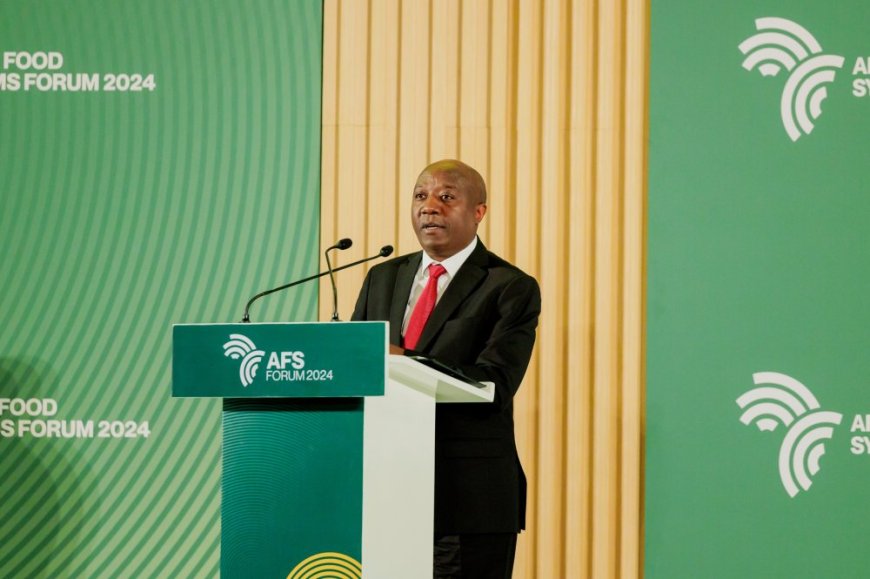
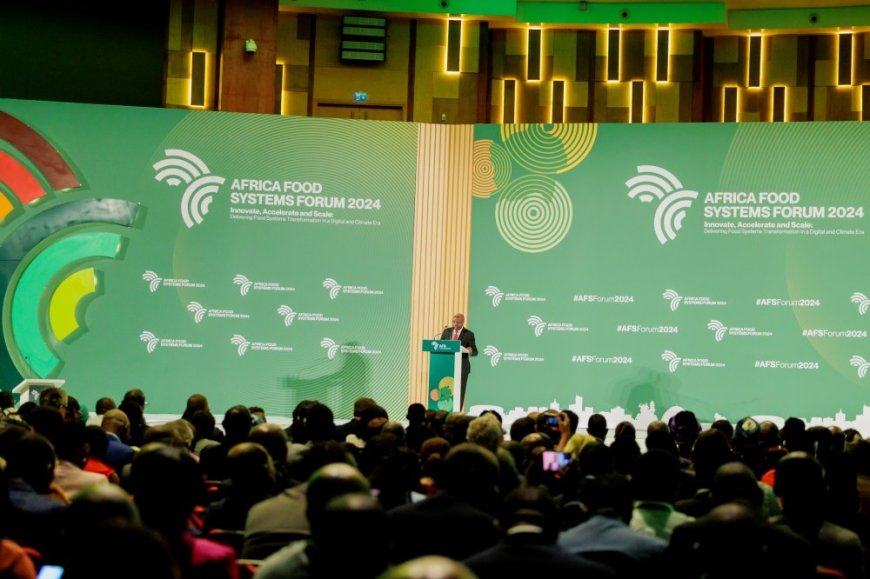
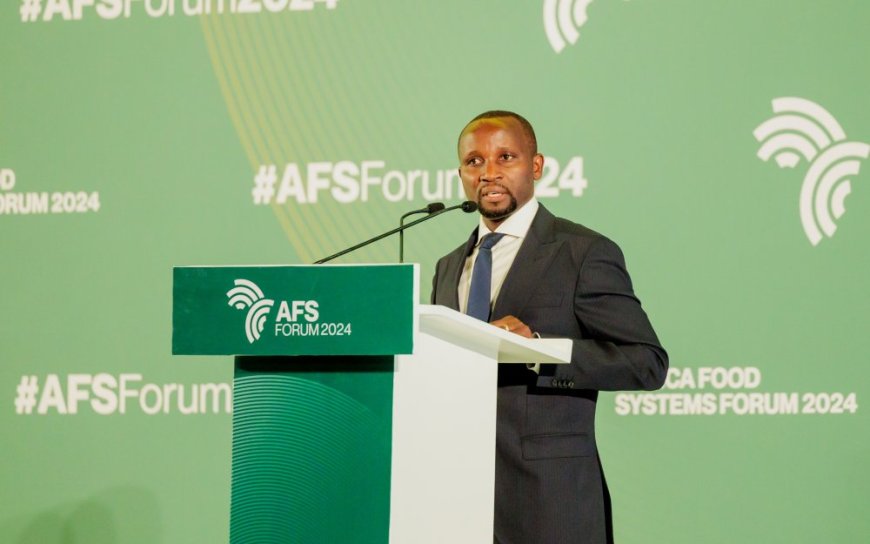
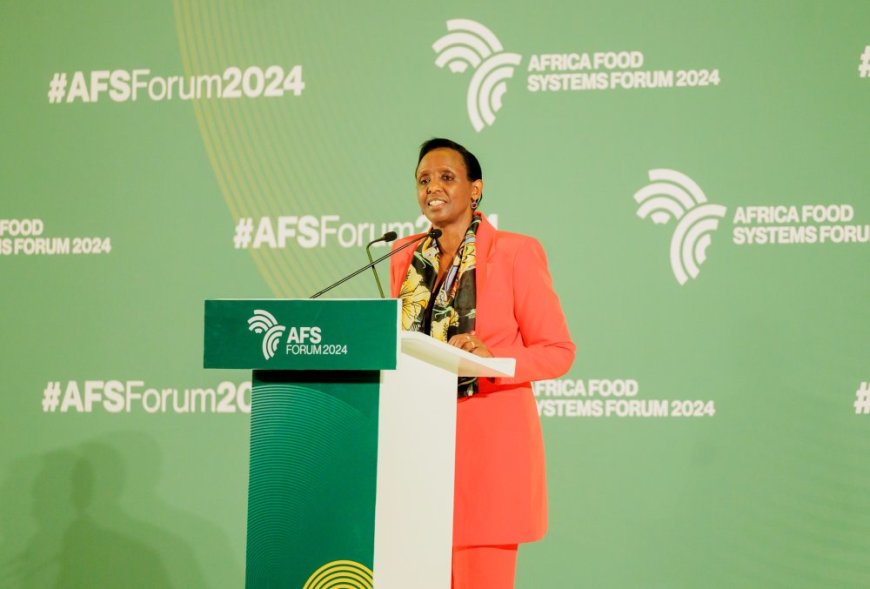

Speaking at the Africa Food Systems Forum (AFSF) 2024, held in Kigali, Rwanda, Dr. Ngirente brought attention to the urgent need for Africa to rethink its approach to agriculture. The forum, which has gathered stakeholders from across the continent, including farmers, investors, researchers, policymakers, and various other professionals, serves as a critical platform for discussing the future of food systems in Africa.
The Multi-Dimensional Impact of Agricultural Neglect
Dr. Ngirente underscored that Africa’s neglect of agriculture is not just an issue of food security; it has broader implications that affect the continent’s overall development. He noted that the failure to invest adequately in agriculture forces African nations to divert substantial resources towards managing the fallout from food insecurity. This includes addressing health crises, such as malnutrition and diseases that are exacerbated by poor diets, as well as dealing with social issues like child stunting, conflicts over scarce resources, and other forms of instability.
“When African countries lack sufficient food,” Dr. Ngirente stated, “they spend large sums of money to address this issue—money that could have been invested in more critical sectors such as infrastructure, education, and healthcare.”
The Prime Minister’s remarks draw attention to a vicious cycle in which food insecurity exacerbates poverty, which in turn hampers economic development and deepens social inequalities. For example, malnutrition and stunting among children not only affect their immediate health but also have long-term consequences on their cognitive development, educational outcomes, and future economic productivity. The cost of addressing these health issues is immense, and yet it is a cost that could be significantly reduced through strategic investments in agriculture.
The Extent of Food Insecurity in Africa
One of the most alarming statistics shared by Dr. Ngirente was that over 20% of Africa’s population—approximately one in five Africans—suffers from food insecurity. This means that more than 200 million people on the continent do not have access to sufficient food to meet their daily nutritional needs. This figure is not only a stark reminder of the challenges facing Africa but also a call to action for African leaders to prioritize food security as a fundamental human right.
Rwanda’s Commitment to Agricultural Innovation
As a case in point for how Africa can address its agricultural challenges, Dr. Ngirente highlighted Rwanda’s efforts to transform its agricultural sector. Rwanda, he noted, is focusing on creating a high-yield, technologically advanced agricultural system that not only ensures food security but also contributes to the country’s economic growth.
This approach, which involves providing farmers with financial protection against risks such as crop failure, is crucial in encouraging more people to engage in agriculture and invest in modern farming techniques.
Moreover, Rwanda is leveraging modern technology to enhance agricultural productivity. From precision farming to the use of drones for monitoring crop health, the country is embracing innovation as a key driver of agricultural development. This focus on technology is particularly important in a continent where traditional farming methods often lead to low yields and inefficiencies.
Dr. Ngirente also stressed the importance of innovation in the agricultural sector. He praised the role of the Alliance for a Green Revolution in Africa (AGRA), an organization that has been instrumental in driving agricultural reforms across the continent. AGRA’s initiatives, which include promoting the use of improved seeds, fertilizers, and sustainable farming practices, are helping to build more resilient food systems in Africa.
The Role of AGRA in Shaping Africa’s Agricultural Future
AGRA’s President, Dr. Agnes Kalibata, also spoke at the forum, commending Rwanda for its leadership in agricultural development. She pointed out that agriculture is a cornerstone of Rwanda’s economy, and the country’s efforts to enhance this sector serve as a model for other African nations.
“This forum, which brings together all of us involved in agriculture, is a valuable opportunity for discussions,” Dr. Kalibata said. She emphasized that the forum provides a platform for African countries to collaborate and share best practices in agriculture, which is essential for achieving food security across the continent.
Dr. Kalibata also highlighted the importance of involving the youth in agricultural innovation. She noted that Africa’s young population is a key asset that can drive the continent’s agricultural transformation. By engaging young people in agriculture and encouraging them to bring new ideas and technologies to the sector, Africa can build a more sustainable and prosperous future.
The Historical Neglect of African Agriculture
The forum also featured insights from Hailemariam Desalegn, the former Prime Minister of Ethiopia, who spoke candidly about the historical neglect of agriculture in Africa. He noted that one of the main reasons for the slow progress in African agriculture is the lack of political support from African.
He called on African leaders to change their approach to agriculture and recognize its importance as a driver of economic development.
Desalegn stressed that the time has come for Africa to take bold steps in transforming its agricultural sector. “We know we cannot continue as we have been,” he said. “As Africans say, a better tomorrow depends on how we prepare today.”
He argued that Africa must adopt strategies that help agriculture tackle its challenges, including climate change, which poses a significant threat to food production on the continent. Additionally, he emphasized the need to involve young people in agriculture, as they are the ones who will drive innovation and ensure the sector’s long-term sustainability.
The Urgency of Agricultural Reform
Desalegn’s remarks underscore the urgency of reforming Africa’s agricultural sector. He pointed out that if the continent fails to prioritize agriculture, it will struggle to feed its rapidly growing population, which is expected to reach 2.5 billion by 2050.
However, achieving food security will require Africa to reduce its dependence on imported agricultural products. Desalegn noted that despite the continent’s vast agricultural potential, Africa remains a net importer of food, which is a major barrier to achieving self-sufficiency.
“Our imports are still too high,” he said. “We need to take responsibility for addressing this issue.”
Conclusion: A Call to Action
The discussions at the Africa Food Systems Forum 2024 highlighted the critical role of agriculture in Africa’s future. The forum’s participants, from heads of state to grassroots farmers, agreed that the time for action is now. Africa must invest in its agricultural sector, embrace innovation, and empower its youth to lead the charge.
Prime Minister Dr. Ngirente’s call to prioritize agriculture is a wake-up call for African leaders. The continent has the potential to not only feed itself but also become a global food supplier. However, this will require a concerted effort to address the challenges facing the sector and to transform agriculture into a pillar of economic growth and social development.
By investing in agriculture, the continent can ensure food security, reduce poverty, and build a brighter future for all its people. The road ahead is challenging, but with the right strategies and a commitment to change, Africa can unlock its full agricultural potential and take its place as a leader in the global food system.