 English
 Kinyarwanda
















NATO's Strategic Balancing Act: Supporting Ukraine Without Direct Involvement in the Russia-Ukraine Conflict
The North Atlantic Treaty Organization (NATO), an alliance of European countries and the United States, has recently issued a cautionary statement to its member nations regarding direct involvement in the ongoing conflict between Russia and Ukraine. This warning underscores NATO’s stance on maintaining a balance between supporting Ukraine and avoiding direct military engagement with Russia.
NATO’s Position on Direct Involvement
NATO, an intergovernmental military alliance established in 1949, has consistently advocated for collective defense and cooperation among its members. However, the organization has made it clear that it does not wish to escalate the conflict by directly engaging in combat with Russia. Farah Dakhlallah, NATO’s spokesperson, reiterated this position in a recent interview with the Spanish news agency Europa News. According to Dakhlallah, NATO is committed to assisting Ukraine in various capacities, but it does not intend to become an active combatant in the war.
This position reflects NATO’s strategic approach to the conflict, which seeks to support Ukraine through indirect means while avoiding actions that could lead to a broader confrontation with Russia. The organization’s primary goal is to provide diplomatic and logistical support, bolster defense capabilities, and offer humanitarian aid without crossing the line into direct military engagement.
Ukraine’s Call for Support
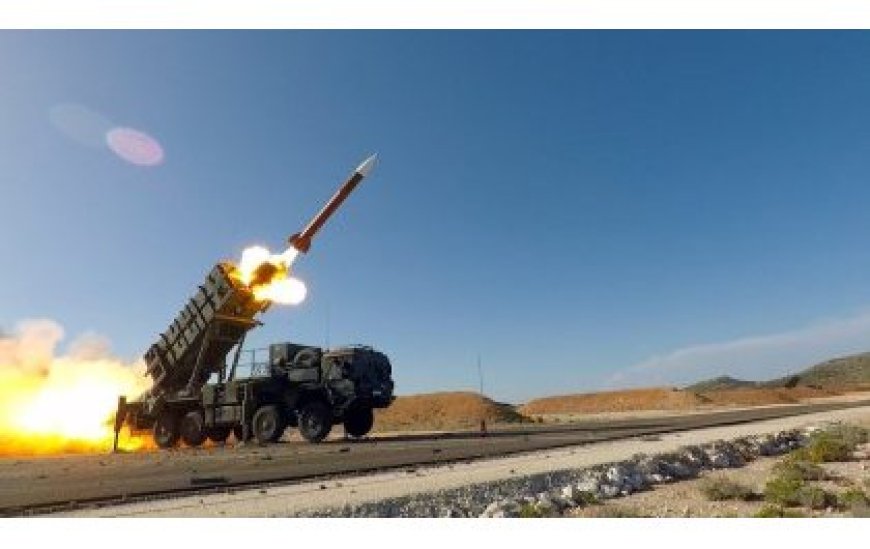
Ukraine, embroiled in a protracted conflict with Russia that has persisted for nearly three years, has been actively seeking support from NATO member countries. In particular, Ukraine has requested assistance in intercepting Russian missiles and drones that frequently enter its airspace. The Ukrainian government has argued that its air defense forces are stretched thin and in need of additional resources to effectively counter aerial threats.
The request for support highlights the critical role of air defense in modern warfare. As Russia continues to deploy advanced missile systems and unmanned aerial vehicles (drones), Ukraine’s ability to defend its airspace has become increasingly crucial. The Ukrainian government’s appeal to NATO members reflects its reliance on international assistance to counteract the technological and military advantages held by Russia.
Poland’s Stance on Air Defense
In a related development, Polish Foreign Minister Radoslaw Sikorski has made headlines with his statement to the Financial Times regarding Poland’s role in intercepting Russian missiles. Sikorski indicated that if Russian missiles were to pass through Polish airspace, Poland would take action to intercept them due to the potential risks of collateral damage. This statement underscores Poland’s commitment to defending its own airspace, in line with its national responsibilities and NATO obligations.
Sikorski emphasized that Poland, as a NATO member, has a constitutional duty to protect its airspace. This responsibility is not diminished by Poland’s membership in NATO, which does not automatically absolve member states of their individual defense obligations. The statement also reflects Poland’s proactive stance on ensuring that its airspace remains secure, even amid broader international considerations.
The Role of NATO in Supporting Ukraine
NATO’s support for Ukraine has been multifaceted, encompassing various forms of assistance ranging from military aid to diplomatic support. The organization has provided training, equipment, and intelligence to bolster Ukraine’s defense capabilities. However, NATO’s involvement has been carefully calibrated to avoid direct engagement in the conflict.
The alliance’s approach to supporting Ukraine while avoiding direct military involvement is designed to prevent an escalation that could lead to a larger-scale war involving NATO members. This strategy aims to balance the need for support with the imperative of avoiding actions that could provoke a direct conflict with Russia.
Military Agreements Between Poland and Ukraine
Poland and Ukraine recently signed military agreements that include provisions for intercepting Russian missiles and drones. These agreements represent a significant step in enhancing bilateral defense cooperation between the two countries. However, Polish Defense Minister Kosiniak-Kamysz has confirmed that the implementation of these agreements is contingent upon NATO’s approval.
The requirement for NATO’s endorsement reflects the organization’s role in coordinating and overseeing defense-related matters among its member states. It also highlights the complexities of international military cooperation, where national actions are often subject to broader organizational frameworks and agreements.
Challenges and Considerations
The ongoing conflict between Russia and Ukraine presents several challenges for NATO and its member states. The alliance must navigate a complex geopolitical landscape, balancing support for Ukraine with the need to avoid direct confrontation with Russia. This balancing act requires careful consideration of military, diplomatic, and humanitarian factors.
NATO’s approach to the conflict involves providing support that aligns with its strategic objectives while avoiding actions that could escalate tensions. The organization’s efforts to assist Ukraine are part of a broader strategy to promote stability and security in the region, while minimizing the risk of a wider conflict.
In summary, NATO’s recent statements and actions regarding the conflict between Russia and Ukraine reflect a nuanced approach to international military support. The organization is committed to assisting Ukraine while maintaining a cautious stance to avoid direct involvement in the war. The interplay between national responsibilities and collective defense obligations highlights the complexities of modern international relations and the challenges faced by organizations like NATO in addressing global conflicts.
As the situation continues to evolve, NATO’s role in supporting Ukraine and managing its own involvement will remain a critical area of focus. The alliance’s ability to navigate these challenges will be pivotal in shaping the outcome of the conflict and ensuring stability in the region.