 English
 Kinyarwanda












Outbreak of Monkeypox in South Kivu Province, DRC Cases Fleeing Hospitals Due to Food crunches
The Democratic Republic of the Congo( DRC) is presently scuffling with a significant health extremity as monkeypox continues to spread swiftly through South Kivu Province. This outbreak, now recognized as one of the most severe in the country, has prompted alarm among health officers and communities likewise.
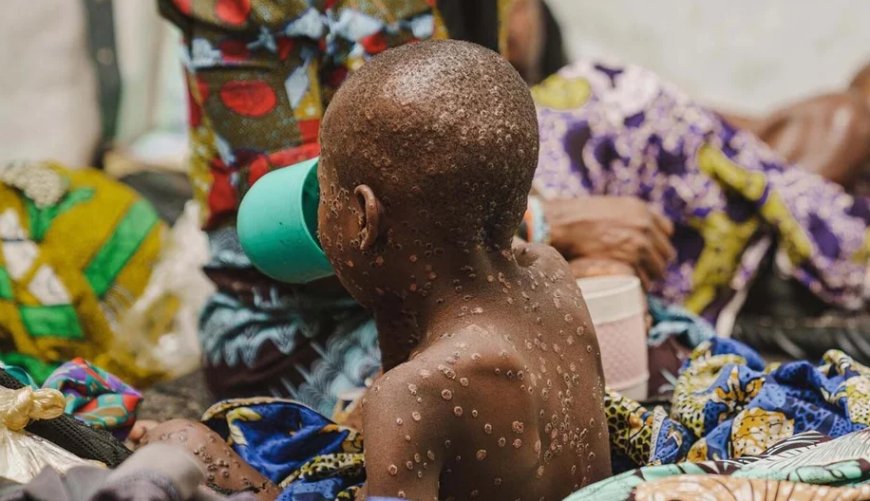
The spread of monkeypox, a viral zoonotic complaint, is exacerbated by a series of challenges including shy healthcare structure, food crunches, and the complex socio- political terrain of the region. Current Situation and Statistics South Kivu Province, located in the eastern part of the DRC, has come a hotspot for monkeypox, ranking as the alternate most affected region in the country, following Equateur Province. According to Dr. Justin Bengheya, a celebrated expert in contagious conditions, the situation has reached critical situations.
Since January 2024, there have been 4,173 vindicated cases of monkeypox in South Kivu, with 25 reported deaths as of August 23, 2024. The terrain is witnessing an intimidating rate of new infections, with an normal of 350 new cases reported each week. The rapid-fire- fire spread of monkeypox in South Kivu is attributed to several factors, including increased movement within the terrain, which has eased the transmission of the contagion.
The high mobility of people and the ongoing security issues in the region have compounded the problem, making it delicate for health authorities to apply effective control measures. Contributing Factors Denis Ripoche, a representative of Vétérinaires Sans Frontières( VSF) working in South Kivu, has stressed the critical part of increased movement and trade in the spread of monkeypox.
The terrain exploits significant business due to trade exertion and security- related displacements from skirting North Kivu. Ripoche explains, “ This region exploits high mobility due to both trade and security issues from skirting North Kivu. The expansion of M23 revolutionary group exertion in North Kivu leads to increased deportation of people, making complaint control challenging as those infected may spread the complaint during their movement. ”
The presence of fortified groups, analogous as the M23 revolutionists, has led to a rise in the number of displaced persons, further complicating sweats to control the outbreak. As these fortified groups internee homes, original populations are forced to flee, constantly carrying the contagion with them.
The deportation of people not only hampers complaint constraint sweats but also strains the formerly limited healthcare resources in the terrain. Challenges in Healthcare Delivery The healthcare system in South Kivu is facing severe challenges in managing the outbreak. One of the major issues is the deficiency of food and medical supplies in beleaguerment centers.
Cases, who are supposed to be isolated to help the spread of the contagion, are fleeing these centers due to shy food supplies. Dr. Vincent Sanvura, a VSF staff member concentrated on preventing zoonotic conditions in the Kahuzi- Biega National Park, points out that this deficiency is a critical problem. He notes, “ The situation is worsening, primarily because the complaint is affecting multitudinous children. With the academe season approaching, where scholars gather, this raises enterprises about further spread. ” Hospitals and treatment centers are floundering to give respectable care for the adding number of cases. The lack of essential supplies and medical staff exacerbates the situation, making it delicate for healthcare workers to manage the outbreak effectively.
Dr. Sanvura further explains, “ Families are the primary caregivers. When children are infected, they are accompanied by their parents, who constantly stay with them in the same room, adding the trouble of transmission within families. ” The deficiency of food in beleaguerment centers, analogous as in Kamituga, is leading to cases escaping, which further contributes to the spread of the complaint.
The lack of respectable food and care in these centers undermines sweats to control the outbreak and highlights the critical need for fresh support and resources. Impact on Original Communities The outbreak of monkeypox has a profound impact on original communities in South Kivu.
The complaint generally affects children, who are particularly vulnerable to its severe forms. The rapid-fire- fire spread of the contagion has created a sense of fear and query among the population, as families grapple with the health and profitable implications of the outbreak. The approaching academe season adds another caste of concern.
As scholars return to academe, the trouble of further transmission increases due to the close contiguity of children in educational settings. This highlights the need for targeted interventions and precautionary measures to cover children and reduce the spread of the contagion within seminaries and communities. The socio-profitable impact of the outbreak is also significant.
The disturbance caused by the complaint affects not only health but also profitable stability. Families who are formerly floundering with poverty and deportation face fresh challenges as they manage with the complaint and its consequences. The need for humanitarian backing and support for affected families is vital in mollifying the impact of the outbreak on their livelihoods.
Regional Spread and Preventive Measures
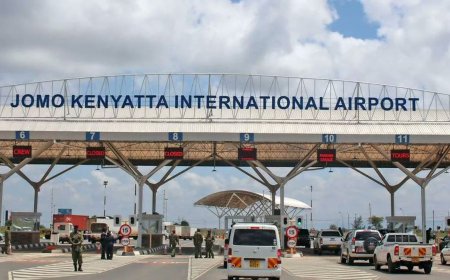
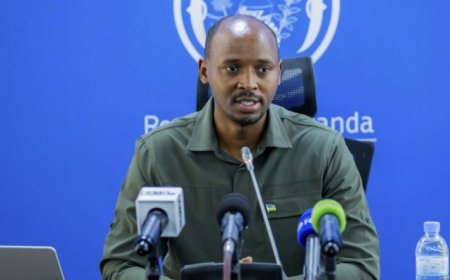
Monkeypox has also spread to neighboring countries in East Africa, with confirmed cases reported in Rwanda, Uganda, and Kenya. In Rwanda, four cases have been identified; in Uganda, three cases; and in Kenya, two cases. The spread of monkeypox across borders highlights the importance of regional collaboration and coordination in addressing the outbreak.
Preventive measures are essential in controlling the spread of monkeypox. Health authorities recommend several strategies to reduce the risk of infection. These include:
- Hand Hygiene: Regular handwashing with clean water and soap or using hand sanitizers to prevent the transmission of the virus.
- Avoiding Contact: Avoiding contact with individuals showing symptoms of monkeypox, such as rashes and sores.
- Protective Measures: Refraining from kissing or having sexual contact with infected individuals.
- Vaccination: In some cases, vaccination may be recommended to prevent the spread of monkeypox, although availability may be limited.
In addition to these measures, community education and awareness are crucial in preventing the spread of the virus. Public health campaigns should focus on informing people about the symptoms of monkeypox, the importance of hygiene, and how to seek medical care if needed.
The outbreak of monkeypox in South Kivu Province, DRC, is a complex and challenging situation that requires immediate and coordinated efforts to address. The rapid spread of the virus, combined with healthcare challenges and socio-economic impacts, underscores the urgency of providing adequate support and resources to affected communities. Regional collaboration and preventive measures are essential in controlling the outbreak and preventing further spread.
As the situation evolves, continued vigilance and response efforts will be crucial in managing the outbreak and mitigating its impact on the health and well-being of the population. The global health community, along with local and national authorities, must work together to address the challenges and provide the necessary support to contain the outbreak and protect vulnerable populations.