 English
 Kinyarwanda





President Paul Kagame Addresses Calls to Withdraw Rwandan colors from the DRC
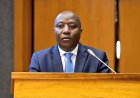
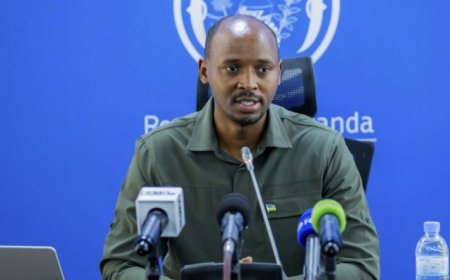
On July 14, President Paul Kagame responded to calls for the retirement of Rwandan colors from the Democratic Republic of the Congo( DRC).
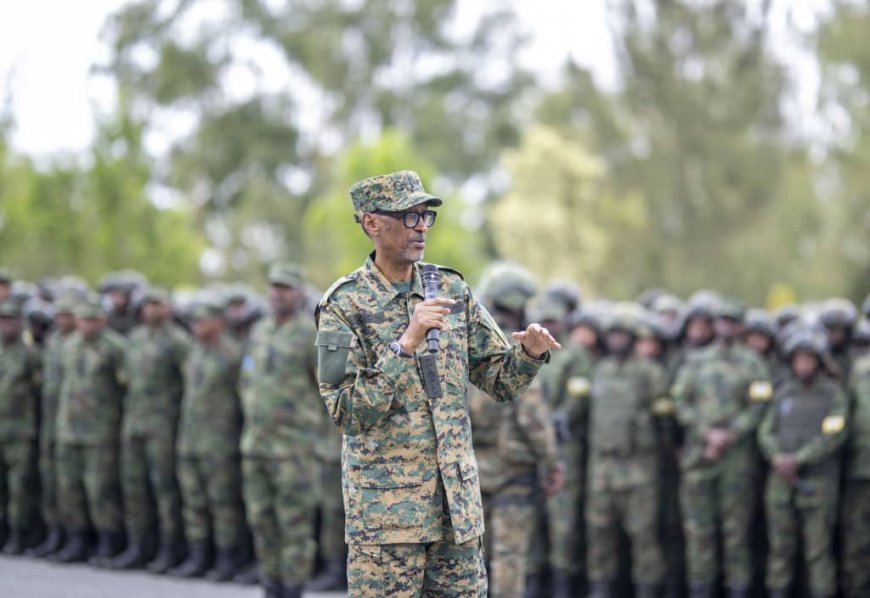
He emphasized that those requesting the retirement should first understand the reasons behind the presence of Rwandan forces in the DRC and address those bolstering issues.
President Kagame made this comment during a form where he entered the pledges from recently tagged Rwandan deputies joining the congress. Recent reports by UN experts have criminated Rwanda of planting over 4,000 colors in the DRC to support the M23 revolutionary group.
This allegation has led to significant pressure from Western countries and international associations, egging Rwanda to" cease support for M23 and withdraw its colors from Congolese home."
Rwanda has constantly denied these claims, stating that it doesn't confirm the presence of its colors in the DRC. In response, President Kagame noted that before addressing requests for the retirement of the Rwandan Defense Forces( RDF) from the DRC, those making the requests should first understand the reasons for the RDF's presence in the DRC and resolve those issues.
He said," If RDF is indeed in the DRC, what brought them there? Why do you believe they are there? How did they get there? If you know the reason for their presence and you believe they are there, address that issue first. also ask Rwanda why its legionnaires might be there or why they might stay if the issue has been resolved." He further added,"
Another issue that needs to stop is treating the problems of Congolese people as if they are solely our problems. also you say,' Do nothing also, and all these other Congolese issues are ours; they concern us.' If you admit that these are Congolese issues, do n’t use their actuality in the DRC to fight against them and claim that we are helping them."
One major concern Rwanda has stressed as a source of pressure with the DRC is the DRC government's cooperation with the Popular Forces for the Emancipation of Rwanda( FDLR), a group that aims to destabilize Rwanda’s security.
President Kagame reminded that the DRC government has constantly claimed it wants to strike the FDLR but has taken no effective action against them. He indicated that the continued actuality of the FDLR suggests that the current agreements were false and that there are vested interests in keeping the group functional. He said,"
There are these Interahamwe, FDLR, who does n’t know them also, or who among them has caused detriment also? But this issue has persisted for 30 times. What does it mean for an issue to last 30 times? It means people are lying to us.
They claim they want to resolve the problem, but behind the scenes, they want the problem to persist because it helps them achieve other pretensions." President Kagame argued that the DRC government's interests in the FDLR ca n't justify infringing on the rights of Rwandans. He stated,"
We tell them, prioritizing your interests is your business; it does n't concern us, nor do we oppose their interests. still, your interests ca n't be realized if it means disregarding the rights of others or violating their rights." also, the President expressed disagreement with the DRC government's assertion that the FDLR is truly small and therefore not a significant trouble to Rwanda. He questioned,"
How multitudinous killers are there? Or how do you vindicate them of their crimes? In terrorism, how multitudinous people do they need to commit an act of terror?
The world fights against terrorists, and there are only five people who committed a terrorist act." While the FDLR issue remains undetermined, some have tried to deflect the blame by suggesting that Rwanda is also responsible for other killings, aiming to undermine the significance of the 1994 genocide against the Tutsi.
President Kagame criticized the international community for addressing other security issues, including terrorism, while failing to resolve the FDLR problem, which has persisted for 30 times.
He directed out that in international perspectives, other problems are considered more severe than the situation where millions of people have been killed in the DRC, with fortified groups entering arms, training, and support from the Congolese government.
President Kagame’s commentary emphasizes the complex nature of indigenous conflicts and illuminate the ongoing challenges faced by Rwanda and the DRC in addressing collaborative security enterprises.
His call for a deeper understanding of the root causes of the conflict and a more nuanced approach to international pressure reflects a broader concern for icing that results are fair and just, rather than driven by external pressures or misinterpretations of the situation on the ground.
The conflict between the Democratic Republic of the Congo (DRC) and Rwanda is a complex and multifaceted issue, deeply rooted in regional and historical tensions. The conflict primarily revolves around the DRC's eastern provinces, where armed groups, including those with Rwandan connections, have fueled instability and violence.
Historical Background
The roots of the conflict trace back to the 1994 Rwandan genocide, in which the Hutu extremist government targeted Tutsis and moderate Hutus. Following the genocide, millions of Hutu refugees, including perpetrators of the genocide, fled into neighboring countries, including the DRC (then Zaire). The presence of these refugees in eastern DRC contributed to a complex security situation, as many continued to pose a threat to the newly established Rwandan government led by the Tutsi-led Rwandan Patriotic Front (RPF).
First and Second Congo Wars
The Rwandan genocide and the resulting refugee crisis were key factors in the First Congo War (1996-1997). Rwanda, alongside Uganda, supported rebel groups fighting against the regime of Mobutu Sese Seko in Zaire. The war led to the fall of Mobutu and the rise of Laurent-Désiré Kabila as president of the newly renamed DRC. However, Kabila’s failure to address regional grievances and manage diverse rebel groups led to the Second Congo War (1998-2003), involving multiple African nations and armed groups. Rwanda, along with Uganda, supported rebel factions opposing Kabila’s government, citing the threat posed by Hutu militias operating from eastern DRC.
Ongoing Instability and Rebel Groups
The end of the Second Congo War did not bring lasting peace. The eastern DRC, particularly the North and South Kivu provinces, continued to experience instability due to the presence of various armed groups. Among these groups are the Democratic Forces for the Liberation of Rwanda (FDLR), composed largely of Hutu militants who fled Rwanda after the genocide, and the M23 rebels, primarily former Congolese soldiers who had deserted the army.
Rwanda has been accused of supporting the M23 rebels and other armed groups in the DRC to exert influence and address security concerns related to the FDLR. The DRC has repeatedly accused Rwanda of interfering in its internal affairs and backing these insurgent groups. Rwanda, on the other hand, argues that it is acting to neutralize threats from groups based in the DRC that destabilize its own security.
International and Regional Responses
The international community, including the United Nations and various regional organizations, has attempted to mediate and provide peacekeeping support in the DRC. The UN has deployed peacekeeping forces, known as MONUSCO, to help stabilize the region and protect civilians. Despite these efforts, violence has persisted, with frequent clashes between armed groups and ongoing humanitarian crises.
Recent Developments
In recent years, the DRC and Rwanda have faced renewed tensions. Reports from international observers and experts have continued to accuse Rwanda of supporting armed groups in the DRC, while Rwanda insists it is only responding to threats from these groups. The conflict remains unresolved, with periodic escalations and peace negotiations struggling to address the underlying issues.
In summary, the conflict between the DRC and Rwanda is a product of historical grievances, regional power struggles, and ongoing security concerns. It reflects the broader challenges of ethnic tension, political instability, and competition for resources in the Great Lakes region of Africa. The situation remains fluid, with both countries navigating a complex landscape of diplomacy, security, and regional influence.