 English
 Kinyarwanda


















British Government Suspends Arms Export Licenses to Israel Amidst Rising Tensions
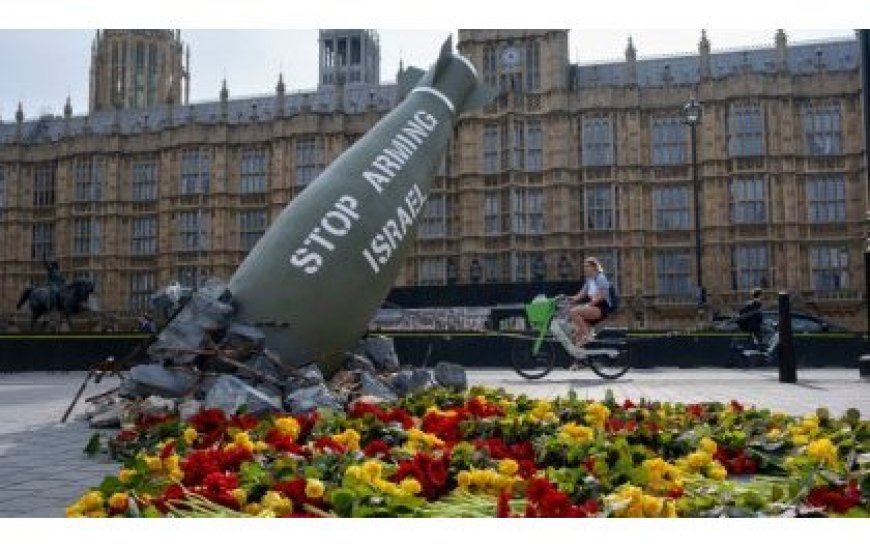
In a significant move that has garnered international attention, the British government has announced a suspension of arms export licenses to Israel. This decision, announced by British Foreign Secretary David Lammy, comes amidst escalating concerns that the military equipment sold to Israel could be used in ways that contravene international humanitarian laws designed to protect human rights and civilians in conflict zones.
Background and Decision
The British government’s decision to suspend the export licenses is particularly notable given the ongoing and complex nature of the conflict between Israel and Hamas. Foreign Secretary David Lammy revealed that out of a total of 350 arms export licenses previously issued to Israel, 30 will be suspended. This action follows growing scrutiny and calls for accountability regarding the use of arms in the region.
The specific items affected by this suspension include various military assets such as fighter jets, combat helicopters, and unmanned aerial vehicles (drones). These types of equipment are crucial for modern warfare, and their sale to conflict zones raises substantial ethical and legal questions, particularly when there are concerns about potential violations of international law.
Israeli Reaction
The Israeli government has responded to the suspension with notable concern. An Israeli official conveyed to the BBC that the British government's decision is based on inaccurate information. While expressing disappointment over the move, the official emphasized that the decision does not reflect the full context of the situation in the region.
In contrast, British Foreign Secretary Lammy has reaffirmed the UK's commitment to supporting Israel, particularly in its struggle against Hamas. Lammy emphasized that the suspension of arms export licenses does not imply a broader set of sanctions against Israel’s defense capabilities. Instead, it is a targeted response to specific concerns about the potential misuse of certain military equipment.
International Reactions and Context
The decision by the UK follows a period of heightened scrutiny and international debate regarding the conduct of both sides in the Israeli-Palestinian conflict. The United States, for instance, announced in May 2024 that it would review whether Israeli forces have been using American-made weapons in ways that violate their intended use and potentially harm civilian populations. This review is part of a broader effort to ensure that weapons sold to conflict zones are used in accordance with international humanitarian standards.
The British government’s move is also seen as part of a larger trend of international actors re-evaluating their policies and support related to the Israeli-Palestinian conflict. The suspension reflects growing pressure on nations to address human rights concerns and ensure that their arms exports do not contribute to further suffering in conflict regions.
Recent Developments in the Conflict
The context of the British decision is deeply rooted in recent developments in the ongoing conflict. On October 7, 2023, Hamas launched a significant and devastating attack on Israel, resulting in the deaths of over 1,100 individuals and the abduction of more than 250 people. This attack marked one of the most severe escalations in recent years and highlighted the intense and violent nature of the conflict.
In response, Israel has conducted a series of military operations, which, according to the Gaza Health Ministry, have resulted in substantial casualties. The Health Ministry, which operates under Hamas governance in Gaza, reports that Israeli attacks have caused over 41,000 deaths, with a high proportion being women and children. This figure underscores the severe impact of the conflict on civilian populations and raises serious humanitarian concerns.
Humanitarian Concerns and International Law
The humanitarian implications of the conflict have drawn widespread international attention. The suspension of arms exports by the UK is part of a broader conversation about the responsibility of arms-exporting nations to prevent their equipment from being used in ways that exacerbate human suffering.
International humanitarian law, including the Geneva Conventions, provides guidelines for the conduct of armed conflict and seeks to protect non-combatants from the effects of warfare. Violations of these laws can include indiscriminate attacks on civilian areas, targeting of non-combatants, and use of prohibited weapons. The international community closely monitors conflicts to ensure compliance with these standards and to hold violators accountable.
The British government’s decision to suspend arms exports is thus seen as a response to concerns that certain military equipment could be used in a manner that breaches these legal standards. By taking this step, the UK is signaling its commitment to upholding international norms and addressing the humanitarian aspects of the conflict.
Future Prospects and Diplomatic Efforts
Looking ahead, the suspension of arms exports to Israel could influence future diplomatic and political dynamics in the region. The British government’s action might encourage other nations to reconsider their arms sales policies and adopt similar measures if they have concerns about the potential misuse of military equipment.
Furthermore, the situation highlights the need for continued diplomatic efforts to address the underlying issues of the Israeli-Palestinian conflict. The international community, including the United Nations and various humanitarian organizations, continues to advocate for a peaceful resolution and increased efforts to protect civilian lives.
As the conflict continues, the focus remains on finding solutions that address the root causes of the violence and promote long-term peace and stability in the region. The British government’s decision is one of many steps in this broader effort to balance support for allies with a commitment to human rights and humanitarian principles.