 English
 Kinyarwanda












Burundi Government Denounces Amnesty International's Report on Human Rights Violations
The Burundian government has recently vehemently rejected a report by Amnesty International, which accuses the administration of President Évariste Ndayishimiye of serious human rights violations and restricting press freedom. This condemnation highlights ongoing tensions between the Burundian government and international human rights organizations regarding the country's human rights record.
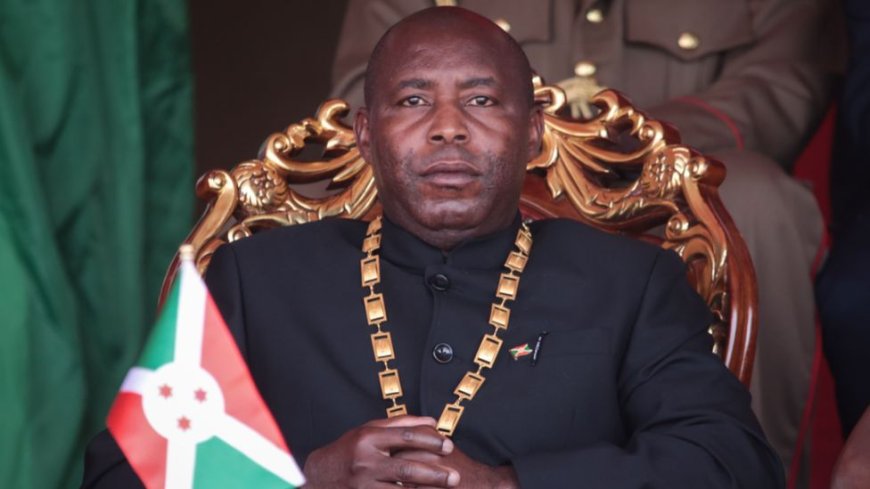
Amnesty International's report, which has sparked significant controversy, alleges that President Ndayishimiye, who has been in power for four years, has perpetuated a climate of repression against political dissent and media freedom. The organization’s claims are rooted in observations of government actions and their impact on civil liberties and political engagement within Burundi.
Content of Amnesty International's Report
The report underscores that President Ndayishimiye’s tenure has been marked by continued suppression of independent political parties and civil society groups. According to Amnesty International, these parties and groups have faced systemic harassment, intimidation, and legal challenges designed to stifle opposition and dissent. The organization argues that such actions are indicative of a broader pattern of human rights abuses under Ndayishimiye’s leadership.
Amnesty International highlights several key issues:
- Political Repression: The report documents instances where opposition leaders and activists have been subject to arbitrary detention, torture, and enforced disappearances. It asserts that these actions are part of a deliberate strategy to eliminate political opposition and maintain a tight grip on power.
- Media Suppression: Journalists and media outlets critical of the government have reportedly faced severe restrictions. The report alleges that censorship, harassment, and even violent attacks have been used to silence independent voices and prevent unfavorable reporting about the administration.
- Lack of Legal Protections: The report points to a lack of due process and legal protections for those accused of dissent. Amnesty International criticizes the judicial system for failing to provide fair trials and for being complicit in human rights abuses by endorsing government-led repression.
Government’s Response
In response to the report, the Burundian government, through its spokesperson Gatoni Rosine Guilene, has dismissed these allegations as unfounded and misrepresentative of the actual situation in the country. Guilene argues that the accusations are not reflective of the current reality in Burundi and that they fail to acknowledge the progress made under President Ndayishimiye’s leadership.
Guilene emphasizes that human rights are respected in Burundi, and any legal actions taken against individuals, whether they are ordinary citizens or journalists, are conducted in accordance with the law. He argues that the Burundian legal system is robust and fair, and that those who face legal consequences have violated established laws.
According to Guilene, the criticisms from Amnesty International are outdated and do not align with the current state of affairs. He contends that the organization’s observations are based on events from a decade ago and are being unfairly attributed to President Ndayishimiye’s administration. This, he argues, demonstrates a lack of understanding of the recent changes and improvements in the country.
Burundi's Progress and International Relations
The Burundian government asserts that the country has made significant strides in human rights and governance under President Ndayishimiye. Guilene points to various reforms and initiatives aimed at improving the quality of life for Burundian citizens and enhancing the country’s international standing.
- Legal and Institutional Reforms: The government has implemented various reforms aimed at strengthening the legal system and ensuring that it operates more effectively and fairly. These reforms include efforts to improve transparency, accountability, and the protection of individual rights.
- Economic and Social Development: Under Ndayishimiye’s leadership, there have been significant investments in infrastructure, education, and healthcare, aimed at fostering economic growth and improving living standards. The government argues that these efforts are indicative of a commitment to the well-being of Burundian citizens.
- Regional and International Relations: Burundi has sought to enhance its relationships with neighboring countries and international organizations. The government has actively participated in regional initiatives aimed at promoting peace and stability, and has worked to improve its international image.
Ongoing Concerns and Criticisms
Despite the government’s assertions of progress, Amnesty International and other human rights organizations continue to raise concerns about the state of human rights in Burundi. Critics argue that while there may be some positive developments, fundamental issues related to political repression, media freedom, and legal protections remain unresolved.
Human rights advocates stress the importance of ongoing scrutiny and advocacy to ensure that governments uphold their human rights obligations and address any abuses. They call for continued international pressure and support for civil society efforts to promote accountability and reform.
The disagreement between the Burundian government and Amnesty International reflects broader debates about human rights and governance in the country. While the Burundian government asserts that it is making significant progress and upholding human rights, international organizations like Amnesty International continue to highlight concerns and call for reforms.
As Burundi navigates its path forward, the interplay between domestic policies and international expectations will be crucial in shaping its human rights landscape. The ongoing dialogue and scrutiny from both domestic and international actors will play a key role in addressing the challenges and ensuring that the rights and freedoms of all Burundian citizens are respected and protected.