 English
 Kinyarwanda
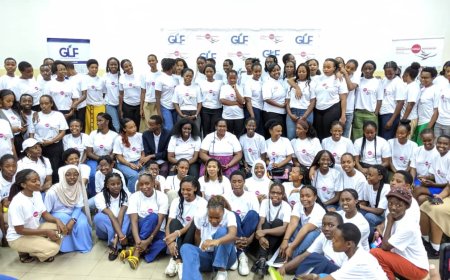














The Ministry of Education has raised 143 million Rwandan Francs in the ‘Dusangire Lunch’ student feeding program.
The Ministry of Education in Rwanda has made significant strides in its efforts to support student well-being through the 'Dusangire Lunch' program, which is dedicated to providing meals to students in schools. As of the most recent update, the Ministry has successfully raised 143 million Rwandan Francs (Frw) in this initiative, a figure that reflects both the generosity and the commitment of stakeholders to the future of the nation's children. This amount is part of a larger goal, as a total of 315.2 million Frw has been pledged towards the program.
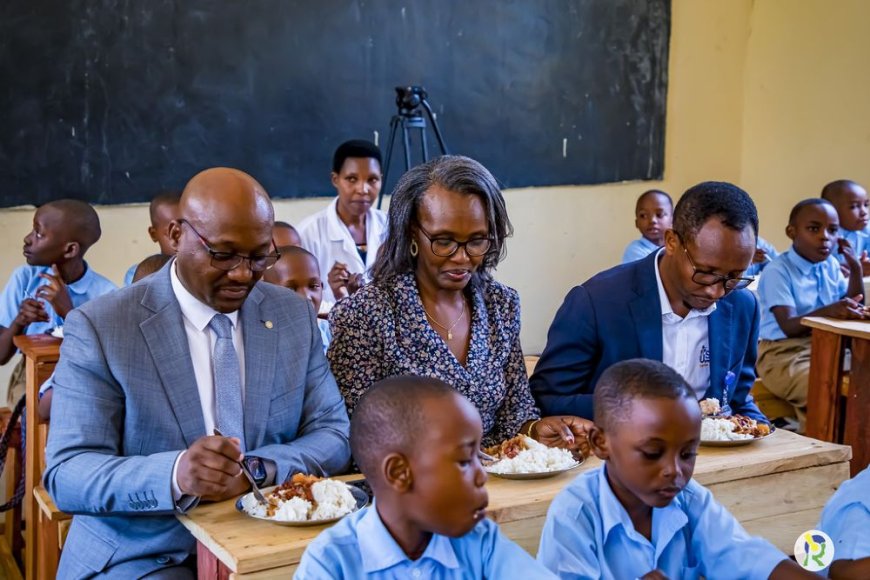
The announcement came via the Ministry's official account on X (formerly Twitter), where they expressed gratitude for the contributions that have been made so far. The message highlighted the importance of collective effort in achieving national goals, stating: "We thank you for your contributions to the Dusangire Lunch program. In a short period, you pledged 315,212,372 Frw, and so far, we have received 143,282,372 Frw. Let us continue working together to build the prosperous Rwanda we desire." This statement underscores a broader vision for Rwanda’s development, emphasizing the role of education and child welfare in shaping the nation’s future. By ensuring that children have access to nutritious meals, the government and other stakeholders are not only addressing immediate concerns like hunger and malnutrition but also contributing to the broader educational and social development goals outlined in Rwanda’s Vision 2050.
The Significance of 'Dusangire Lunch' in Rwanda
The ‘Dusangire Lunch’ program, which translates to “Let’s Share Lunch,” was officially launched in June 2024 with the primary aim of ensuring that all students in Rwandan schools have access to lunch during their school day. It emerged as a response to the growing concern that a significant number of children were going through the school day without proper nutrition, which had negative impacts . Prior to the program's launch, the Rwandan government had already introduced policies that sought to encourage parents to contribute towards school meals. However, it became clear that there was a gap in implementation, as not all parents were fulfilling their responsibilities in this regard. According to the Ministry of Education, as many as 35% of parents were not making the necessary contributions to the school feeding initiative, leaving many children without the midday meal that is so crucial for their ability to concentrate and learn effectively.
This gap in parental contributions posed a significant challenge, particularly in rural and low-income communities where poverty rates are higher, and families often struggle to meet even basic needs. For these families, contributing to a school lunch program may seem like a luxury they cannot afford, even though the benefits for their children are undeniable. The ‘Dusangire Lunch’ program, therefore, aims to bridge this gap by creating a structured, community-driven approach to ensuring that all students, regardless of their socioeconomic background, receive the nutrition they need while at school.
Community Involvement and Fundraising Efforts
One of the unique aspects of the ‘Dusangire Lunch’ program is its reliance on community involvement. The funds raised for the program come from a variety of sources, including individual donations, corporate contributions, and partnerships with non-governmental organizations (NGOs) and international agencies. The program is designed to foster a sense of shared responsibility among Rwandans, encouraging individuals and organizations to contribute towards the well-being of the country’s future generation. Contributions to the program are managed through the Umwalimu SACCO cooperative, a financial institution that was established to support Rwandan teachers. Umwalimu SACCO has played a central role in the administration of the funds, ensuring that they are allocated appropriately and used effectively to provide meals for students. In addition to contributions made through the cooperative, the program also utilizes modern technology to facilitate donations. Through the Mobile Money platform, Rwandans can easily contribute to the initiative by dialing a designated code 182 3*10#, making the process accessible and efficient for a wide range of contributors. The use of mobile payment systems is particularly significant in Rwanda, where mobile money has become a popular and convenient method for financial transactions. By leveraging this technology, the Ministry of Education has made it easier for people from all walks of life to contribute to the program, further increasing the potential for widespread community involvement.
Addressing the Challenges of School Feeding
While the ‘Dusangire Lunch’ program has already achieved considerable success, there are still challenges to be addressed. One of the key issues is ensuring that the funds collected are sufficient to meet the needs of all students. With over 3.9 million students currently enrolled in Rwandan schools, the demand for resources is immense. The Ministry of Education and its partners must continue to find innovative ways to raise funds and maintain the momentum of the program to ensure its long-term sustainability. Another challenge is ensuring that the meals provided are both nutritious and appealing to students. The importance of proper nutrition cannot be overstated, especially for children who are in their critical developmental years. The Ministry of Education has worked closely with nutritionists and food service providers to design meal plans that meet the nutritional needs of students while also taking into account local food preferences and cultural considerations. However, maintaining consistency in the quality of meals across the country, particularly in remote and underserved areas, remains a challenge that requires ongoing attention and resources. In addition to these logistical challenges, there is also the need to address the underlying social and economic factors that contribute to the high percentage of parents who are unable to contribute to the program. Poverty, unemployment, and limited access to education and resources are all factors that affect families' ability to support their children’s education, including contributing to school meals. The Rwandan government has recognized this and is working to address these broader issues through various social protection programs, economic development initiatives, and policies aimed at reducing poverty and inequality.
The Broader Impact of School Feeding Programs
School feeding programs like ‘Dusangire Lunch’ have been shown to have a wide range of positive impacts, not only on the students who receive meals but also on the broader community. Research from organizations such as the World Food Programme (WFP) has demonstrated that providing meals in schools can lead to improved academic performance, higher school attendance rates, and better overall health outcomes for students. In addition, school feeding programs can also have positive economic effects by creating jobs in food production, distribution, and preparation. For Rwanda, the ‘Dusangire Lunch’ program is an important part of the country’s broader strategy to improve education outcomes and promote social development. By ensuring that children are well-nourished and able to focus on their studies, the program is helping to build a foundation for future success. The long-term benefits of investing in education and child welfare are clear: a well-educated and healthy population is essential for the country’s continued economic growth and development.
Looking Ahead
As the ‘Dusangire Lunch’ program continues to grow, the Ministry of Education remains committed to working with all stakeholders to ensure its success. The Ministry has called on parents, businesses, and the wider community to continue contributing to the program, emphasizing that the future of the nation depends on the well-being of its children. With more than 3.9 million students currently benefiting from the program, the Ministry is determined to ensure that no child is left behind. The program's success so far is a testament to what can be achieved when a community comes together with a shared vision. By providing students with the nutrition they need to thrive, Rwanda is investing in its most valuable resource: its people. The continued support of the community, combined with the leadership of the government, will be crucial in ensuring that the ‘Dusangire Lunch’ program remains a sustainable and effective solution for years to come.